
For more than 100 years, steel rebar has been the standard reinforcement material in concrete construction. It is strong, widely available, and familiar to engineers worldwide.
However, modern infrastructure now faces a growing challenge: steel corrosion in aggressive and corrosive environments.
In applications such as:
marine engineering
coastal bridges
wastewater treatment plants
chemical facilities
tunnels and transportation infrastructure
traditional steel reinforcement often suffers from:
rust expansion
concrete cracking
structural deterioration
expensive maintenance cycles
That is why more engineers are turning to:
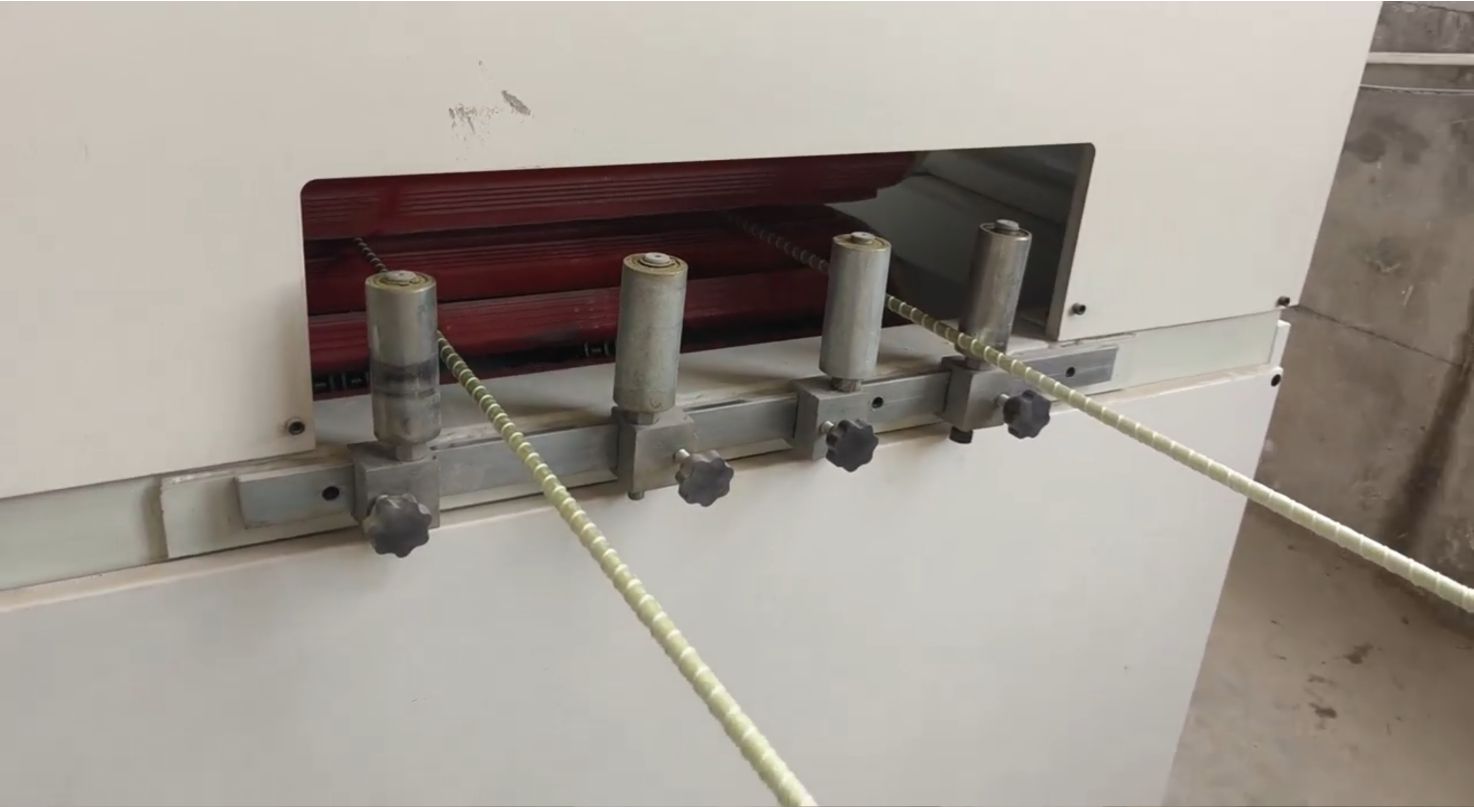
fiberglass rebar, also known as GFRP rebar (Glass Fiber Reinforced Polymer rebar).
Unlike steel, fiberglass rebar provides:
✔ excellent corrosion resistance
✔ lightweight installation
✔ chemical durability
✔ lower maintenance requirements
✔ longer infrastructure service life
As global infrastructure increasingly focuses on durability and lifecycle cost, fiberglass reinforcement is rapidly becoming one of the most important alternatives to steel in corrosive environments.
The biggest weakness of steel reinforcement is simple:
steel rusts.
When moisture, chlorides, or chemicals penetrate concrete, steel begins corroding internally.
As corrosion develops:
steel expands
internal pressure increases
concrete cracks and spalls
structural integrity weakens
This problem becomes especially severe in:
saltwater exposure
chloride-rich environments
humid coastal regions
industrial chemical facilities
freeze-thaw climates
Modern infrastructure is increasingly exposed to harsh service conditions.
Saltwater contains chlorides that rapidly attack steel reinforcement.
Common high-risk structures include:
ports
seawalls
coastal bridges
docks
offshore platforms
Industrial facilities often expose reinforcement to:
acids
sulfates
aggressive chemicals
moisture-rich environments
Traditional steel may deteriorate quickly under these conditions.
Bridge decks are constantly exposed to:
deicing salts
rainwater
humidity
temperature fluctuations
This is one of the biggest causes of bridge maintenance worldwide.
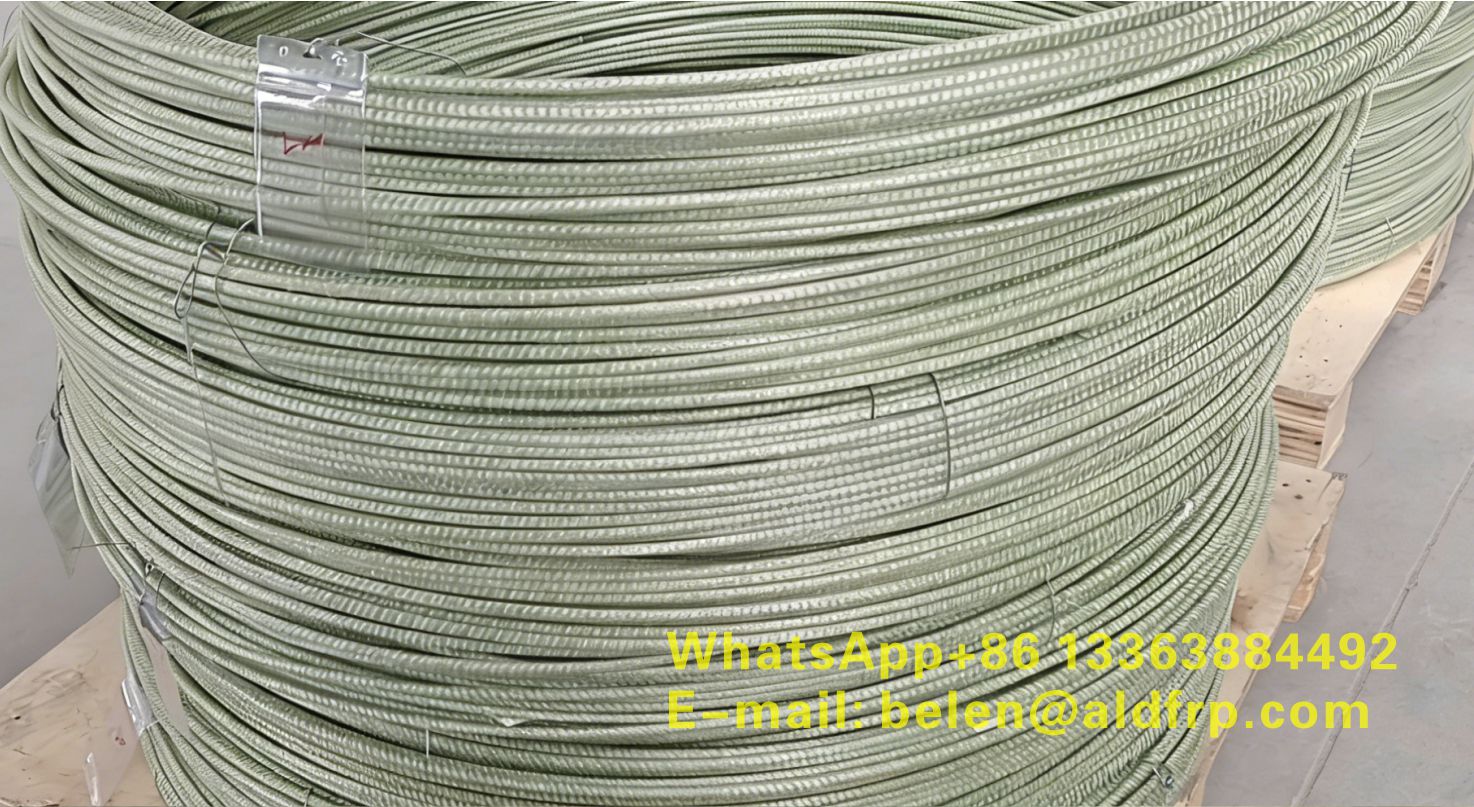
Fiberglass rebar is a composite reinforcement material manufactured from:
continuous fiberglass rovings
thermosetting resin systems
surface treatment materials
Unlike steel:
fiberglass rebars contain no metal and do not rust.
The fiberglass provides tensile strength, while the resin matrix protects the structure from:
moisture
chemicals
chloride penetration
environmental degradation
This makes fiberglass reinforcement highly suitable for corrosive environments.
The biggest advantage of fiberglass rebar vs steel rebar is corrosion resistance.
Fiberglass reinforcement is highly resistant to:
chlorides
saltwater
chemical exposure
moisture penetration
alkali environments
Unlike steel:
no rust forms
no corrosion expansion occurs
no concrete cracking is caused by oxidation
This significantly improves long-term infrastructure durability.
Corrosion is one of the main reasons infrastructure fails prematurely.
Because fiberglass rebars resist corrosion:
structures may achieve much longer operational lifespan.
This is especially important for projects designed for:
50-year service life
75-year infrastructure standards
100-year bridge design goals
Although fiberglass rebars often have higher upfront material cost than steel, many infrastructure owners now focus on:
total lifecycle cost instead of initial purchase price.
Steel-reinforced structures may require:
corrosion inspections
concrete repair
traffic shutdowns
maintenance programs
reinforcement replacement
Fiberglass reinforcement can help reduce:
repair frequency
maintenance cost
operational downtime
long-term infrastructure expense
In corrosive environments, this often makes fiberglass more economical over time.
Compared with steel reinforcement:
fiberglass rebars are approximately 70–75% lighter.
Advantages include:
easier transportation
faster installation
reduced labor intensity
lower logistics cost
This becomes especially valuable in:
large bridge projects
remote construction sites
elevated structures
marine engineering projects
Steel conducts electricity and interferes with magnetic fields.
Fiberglass rebar is:
non-conductive
non-magnetic
electrically insulating
This makes it suitable for:
MRI facilities
hospitals
research laboratories
railway systems
power stations
Fiberglass rebars reduce chloride corrosion caused by road salts and moisture.
lower maintenance
longer bridge lifespan
fewer repair shutdowns
Saltwater rapidly corrodes steel reinforcement.
Fiberglass reinforcement performs well in:
seawalls
docks
ports
offshore platforms
coastal foundations
Wastewater environments contain:
sulfates
chlorides
aggressive chemicals
Fiberglass rebars provide better chemical resistance and durability.
Industrial chemical facilities often expose structures to corrosive materials.
Fiberglass reinforcement helps improve:
chemical durability
structural stability
long-term reliability
In the past, some engineers hesitated to use composite reinforcement because steel had dominated the industry for decades.
However, engineering acceptance of GFRP rebar is growing rapidly due to:
improved manufacturing quality
updated infrastructure standards
long-term corrosion performance data
increasing lifecycle cost awareness
Modern infrastructure projects increasingly include:
FRP design specifications
corrosion-resistant reinforcement standards
long-life infrastructure planning
Fiberglass reinforcement is now widely recognized as a serious engineering solution rather than a niche alternative.
Several global trends are accelerating adoption of fiberglass reinforcement.
Many countries are rebuilding:
bridges
highways
tunnels
marine structures
and want longer-lasting reinforcement systems.
Infrastructure owners increasingly seek materials that reduce:
repair frequency
labor cost
operational disruption
Long-life reinforcement systems help support:
sustainable infrastructure
lower material waste
reduced lifecycle environmental impact
Although fiberglass rebars offer major advantages, they are not identical to steel.
Important considerations include:
different elastic behavior
specialized structural design methods
proper manufacturing quality control
High-quality production is essential because manufacturing defects may affect:
tensile strength
bonding performance
long-term durability
Professional engineering design and stable production quality remain critical.
| Property | Fiberglass Rebar | Steel Rebar |
|---|---|---|
| Corrosion Resistance | Excellent | Poor in aggressive environments |
| Weight | Very light | Heavy |
| Chemical Resistance | High | Limited |
| Maintenance Requirement | Low | High |
| Electrical Conductivity | Non-conductive | Conductive |
| Magnetic Interference | None | Present |
| Lifecycle Cost | Lower long-term | Higher in corrosive environments |
| Service Life | Long | Corrosion-dependent |
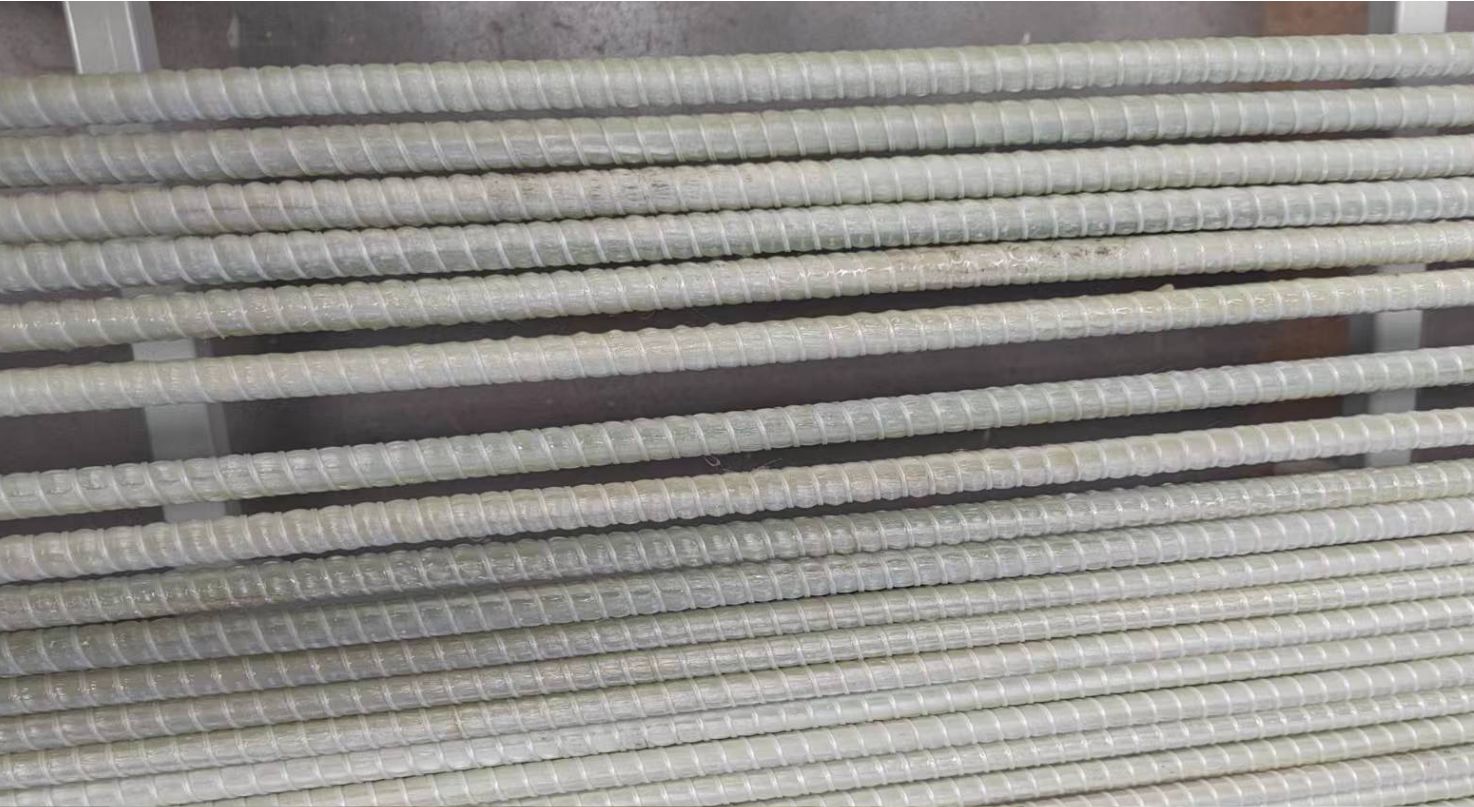
Fiberglass rebar is replacing steel in corrosive environments because it solves one of the biggest problems in modern infrastructure engineering:
corrosion damage.
Unlike traditional steel reinforcement, fiberglass rebar provides:
✔ excellent corrosion resistance
✔ lightweight handling
✔ chemical durability
✔ lower maintenance requirements
✔ longer infrastructure lifespan
It is especially valuable in:
bridges
marine engineering
wastewater treatment systems
chemical plants
coastal infrastructure
As global infrastructure increasingly prioritizes:
durability
lifecycle performance
sustainability
corrosion-resistant construction
fiberglass reinforcement materials are expected to play a much larger role in the future of modern civil engineering and infrastructure development.