
Wastewater treatment plants operate in some of the harshest pipeline environments. Pipes in these systems constantly carry sewage, chemicals, sludge, and contaminated water. These substances can be extremely corrosive and can quickly damage traditional pipeline materials. Because of these challenges, engineers are always looking for pipe materials that are durable, reliable, and cost-effective over the long term.
This is one of the main reasons why fiberglass pipes have become increasingly popular in wastewater treatment systems. Compared with traditional materials like steel or concrete, fiberglass pipes offer excellent corrosion resistance, long service life, and lower maintenance requirements.
In this article, we’ll explore why fiberglass pipes are used in wastewater plants, what advantages they offer, and why many modern wastewater facilities are choosing fiberglass over traditional pipeline materials.
Before discussing the advantages of fiberglass pipes, it’s important to understand the conditions inside wastewater treatment plants.
Wastewater pipelines transport a mixture of substances such as:
Industrial chemicals
Organic waste
Sewage sludge
Sulfur compounds
Bacteria and microorganisms
Abrasive particles
These materials create a highly corrosive environment that can quickly degrade conventional piping materials.
For example, steel pipes may rust, and concrete pipes can deteriorate when exposed to acidic wastewater. As a result, pipeline failures, leaks, and expensive repairs are common problems in older wastewater systems.
To solve these issues, many facilities are switching to fiberglass reinforced plastic (FRP) pipes.
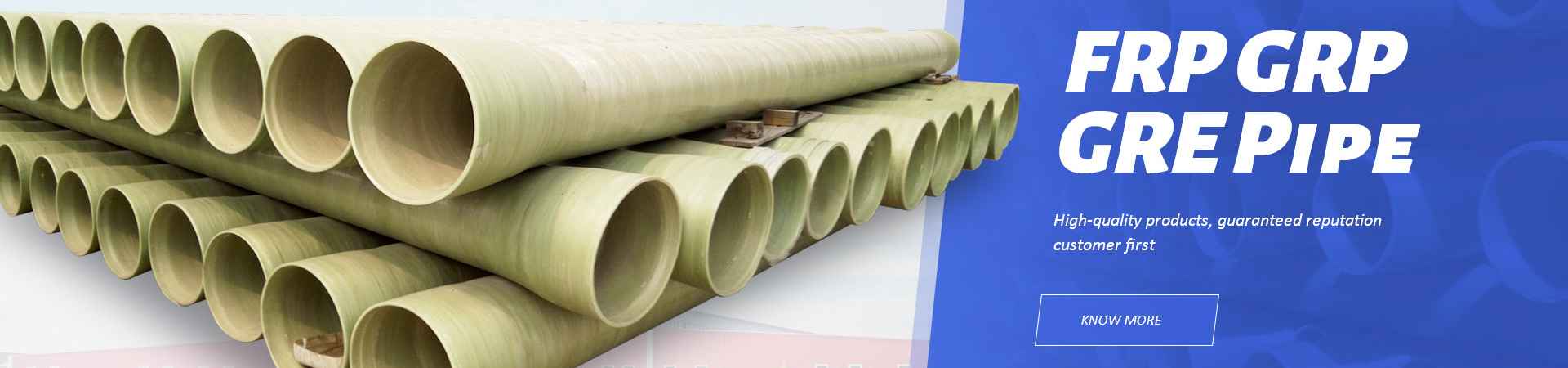
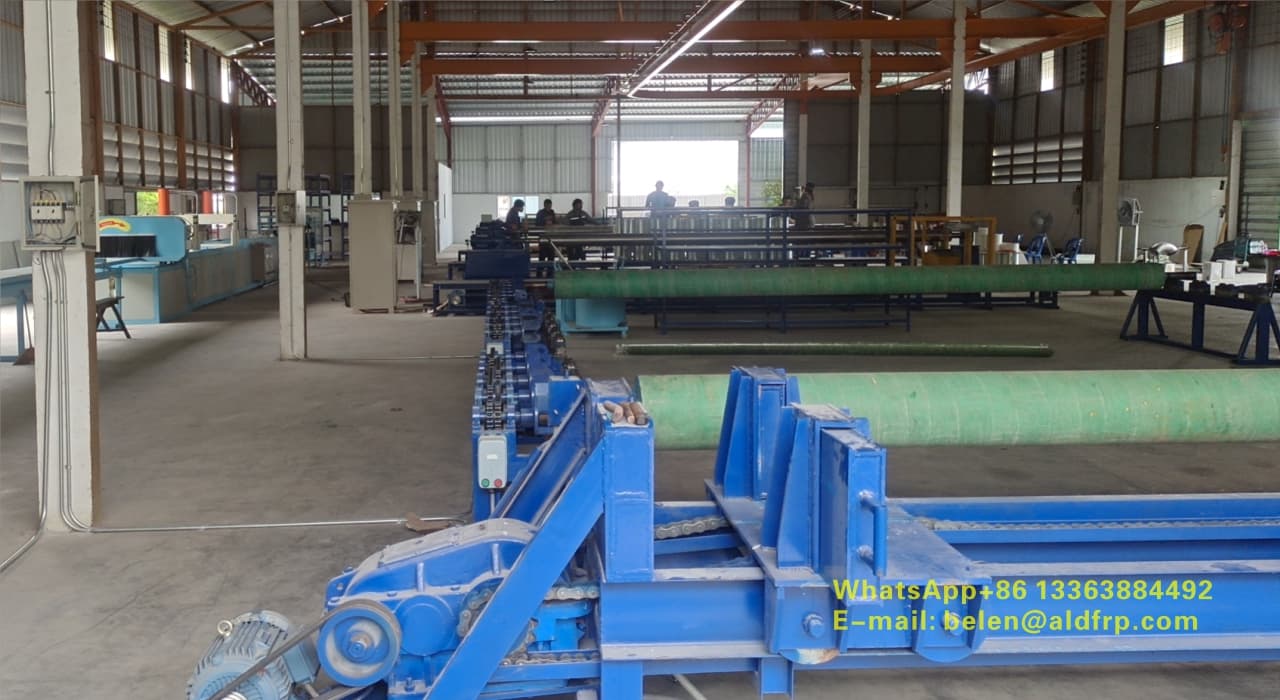
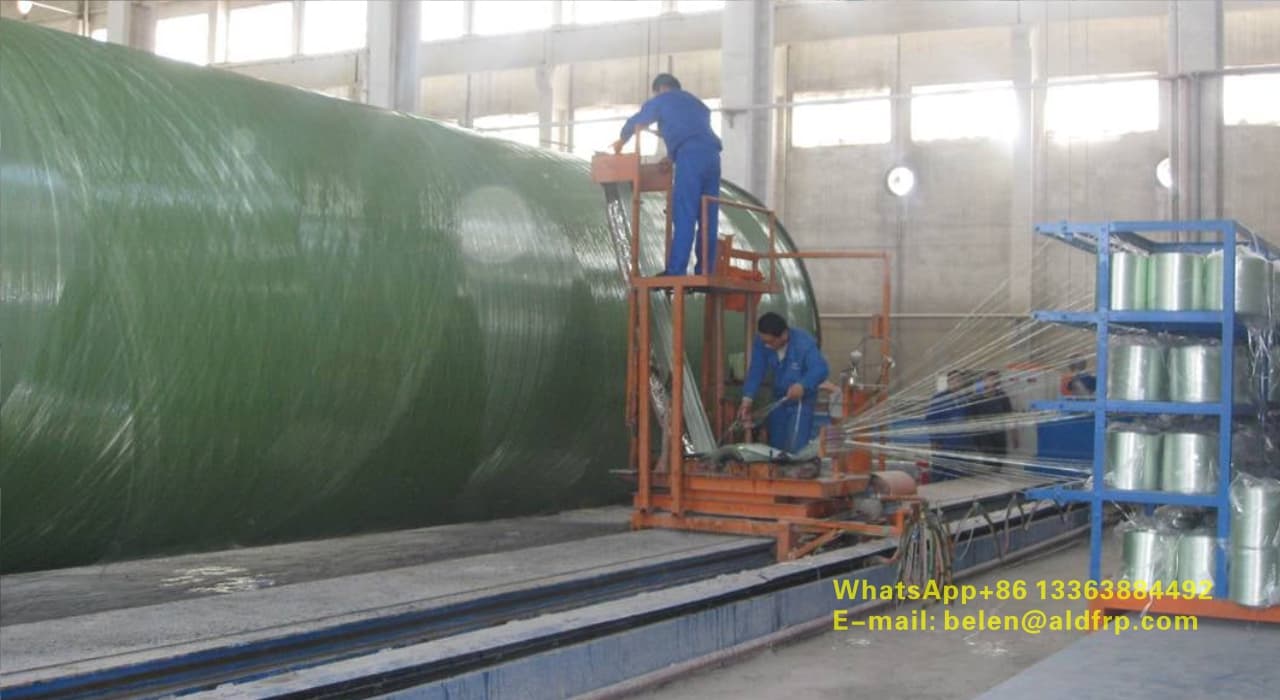
Fiberglass pipes are composite pipes made from glass fibers and resin. These two materials are combined using advanced manufacturing processes such as filament winding.
The glass fibers provide mechanical strength, while the resin protects the pipe from chemicals and environmental damage.
Because of this combination, fiberglass pipes offer several properties that make them ideal for wastewater systems.
One of the biggest reasons fiberglass pipes are used in wastewater plants is their outstanding corrosion resistance.
Wastewater often contains aggressive substances such as hydrogen sulfide gas, acids, and other chemicals that can corrode metal pipes. Over time, these substances can weaken steel pipelines and cause structural failures.
Fiberglass pipes, however, do not rust or corrode. The resin layer protects the internal structure from chemical reactions, allowing the pipes to maintain their integrity even in highly corrosive environments.
For example, in a wastewater treatment facility handling industrial effluent, fiberglass pipes can continue operating for decades without significant damage.
Another important advantage of fiberglass pipes is their long service life.
Traditional steel pipelines may need replacement after 20 to 30 years due to corrosion and wear. In contrast, fiberglass pipes can often last 40 to 50 years or more when properly installed.
This extended lifespan makes fiberglass pipelines a cost-effective investment for wastewater infrastructure projects.
Since wastewater treatment plants are designed to operate continuously for many decades, using long-lasting pipe materials helps reduce the frequency of costly replacements.
Fiberglass pipes are much lighter than steel or concrete pipes.
In fact, they often weigh only a fraction of comparable metal pipes. This lightweight design provides several advantages during installation.
For example:
Transportation costs are lower
Handling is easier
Installation time is shorter
Heavy lifting equipment may not be required
In large wastewater infrastructure projects, these benefits can significantly reduce construction costs and project timelines.
The internal surface of fiberglass pipes is extremely smooth compared with traditional pipeline materials.
This smooth surface reduces friction as wastewater flows through the pipeline. As a result, several benefits are achieved:
Improved flow efficiency
Reduced energy consumption for pumping
Lower risk of blockages
Less buildup of sludge or debris
In wastewater plants where sludge and suspended solids are common, maintaining smooth pipe interiors is particularly important.
Maintenance is a major concern in wastewater treatment plants. Pipelines must operate continuously, and unexpected repairs can disrupt operations.
Because fiberglass pipes are resistant to corrosion and chemical attack, they require very little maintenance.
Unlike steel pipelines, they do not need protective coatings, corrosion inhibitors, or cathodic protection systems. This significantly reduces maintenance costs over the lifetime of the system.
For plant operators, this means fewer shutdowns and more reliable performance.
Although fiberglass pipes are lightweight, they are also surprisingly strong.
Modern manufacturing techniques allow engineers to design fiberglass pipes with specific fiber orientations that provide excellent mechanical strength.
This makes them capable of handling:
Internal water pressure
External soil loads
Underground installation conditions
In many wastewater systems, fiberglass pipes are strong enough to replace traditional metal or concrete pipelines without sacrificing performance.
Wastewater systems often contain bacteria, algae, and other microorganisms that can grow inside pipelines.
Fiberglass pipes are less susceptible to biological growth compared with some traditional materials. Their smooth surfaces make it harder for microorganisms to attach and form deposits.
This helps maintain consistent flow performance and reduces cleaning requirements.
Another reason fiberglass pipes are used in wastewater plants is their flexibility in design.
Manufacturers can produce fiberglass pipes in a wide range of diameters, pressure ratings, and lengths. This makes them suitable for different parts of wastewater treatment systems.
For example, fiberglass pipes can be used in:
Influent pipelines
Sludge transfer lines
Chemical dosing systems
Effluent discharge pipelines
Pump station piping
This versatility allows engineers to design efficient and reliable wastewater infrastructure.
Using fiberglass pipes in wastewater plants also offers environmental advantages.
Because these pipes last longer and require fewer replacements, they reduce the need for raw materials and manufacturing energy over time.
Additionally, their corrosion resistance helps prevent leaks that could contaminate surrounding soil or groundwater.
For cities working toward sustainable infrastructure solutions, fiberglass pipes can be an environmentally responsible choice.
Fiberglass pipes are used in many parts of wastewater treatment facilities.
Common applications include:
Raw sewage transportation
Sludge handling systems
Chemical feed lines
Effluent discharge pipelines
Odor control systems
In coastal wastewater plants, fiberglass pipes are particularly valuable because they resist saltwater corrosion much better than steel pipes.
When engineers evaluate pipeline materials for wastewater projects, they consider factors such as durability, installation cost, and long-term maintenance.
Fiberglass pipes perform well in all of these areas. Their ability to withstand corrosive conditions while maintaining structural integrity makes them one of the most reliable pipeline materials available today.
As wastewater treatment technology continues to evolve, fiberglass pipes are becoming an increasingly important part of modern infrastructure.
Wastewater treatment plants require piping systems that can handle corrosive chemicals, heavy use, and demanding operating conditions. Traditional materials like steel and concrete often struggle in these environments due to corrosion and high maintenance needs.
This is why fiberglass pipes are widely used in wastewater plants. Their corrosion resistance, long service life, lightweight design, and low maintenance requirements make them an ideal solution for modern wastewater infrastructure.
By choosing fiberglass pipes, wastewater facilities can improve system reliability, reduce operating costs, and ensure long-term performance for decades to come.