
When planning a pipeline system, one of the first decisions engineers and project managers face is choosing the right pipe material. Two of the most common options are FRP pipes and steel pipes. Each material has its own strengths, limitations, and ideal applications.
In many industries today, fiberglass reinforced plastic pipes are gradually replacing traditional steel pipelines, especially in environments where corrosion and maintenance costs are major concerns. But that doesn’t mean steel pipes are completely outdated. In some situations, they are still the preferred choice.
So how do these two materials really compare? In this guide, we’ll break down the key differences between FRP pipes vs steel pipes, covering aspects like strength, corrosion resistance, cost, installation, and long-term performance.
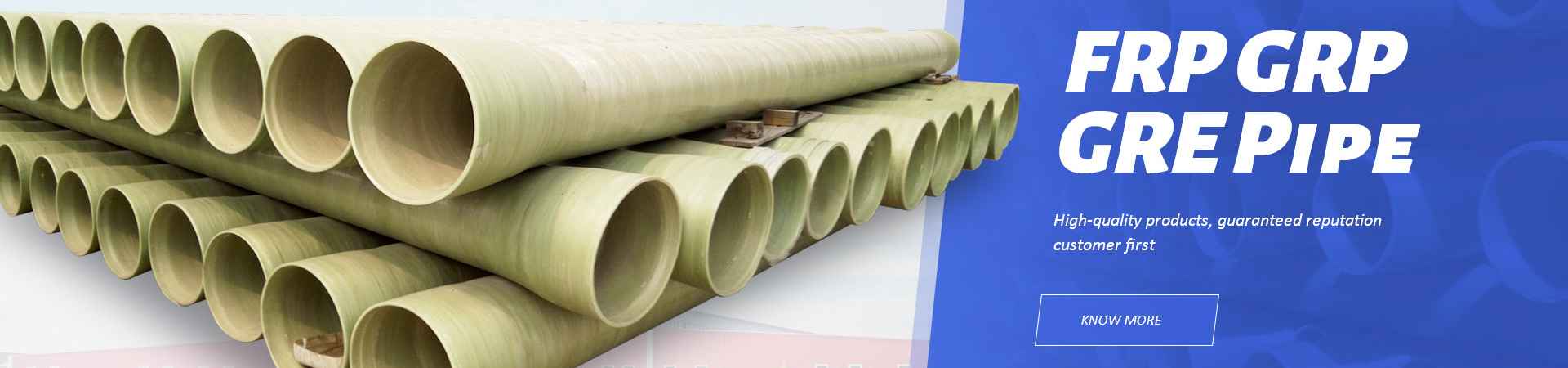
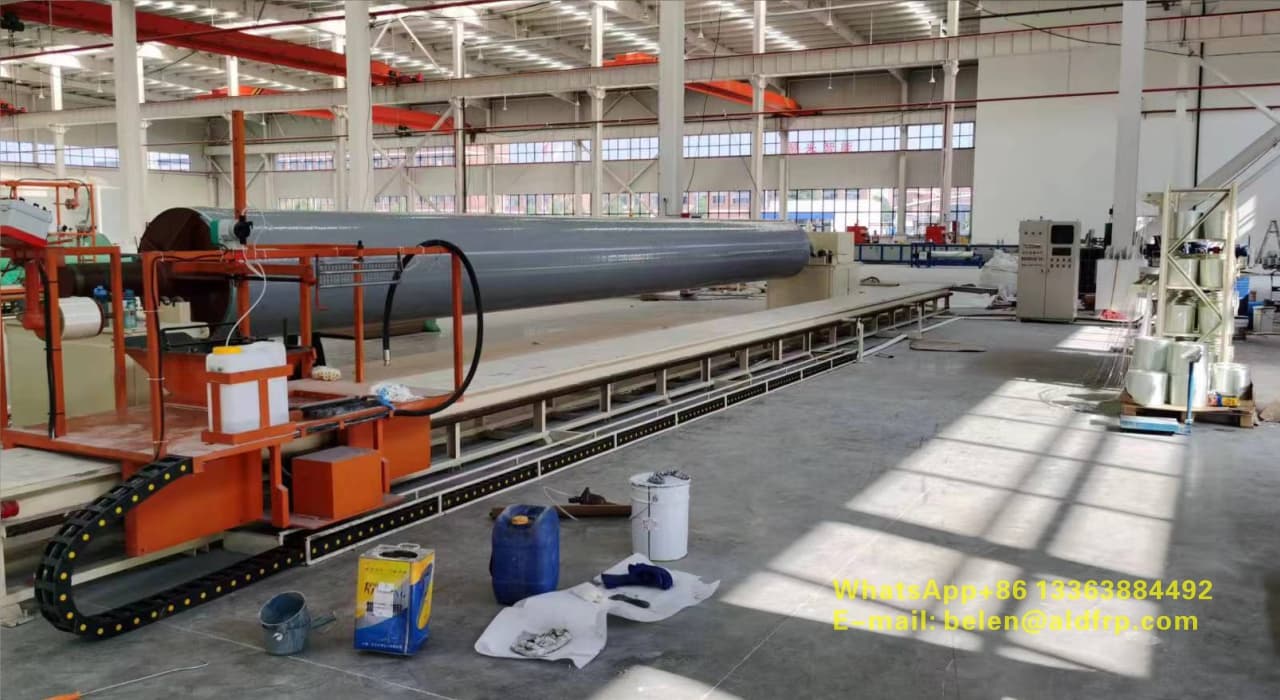
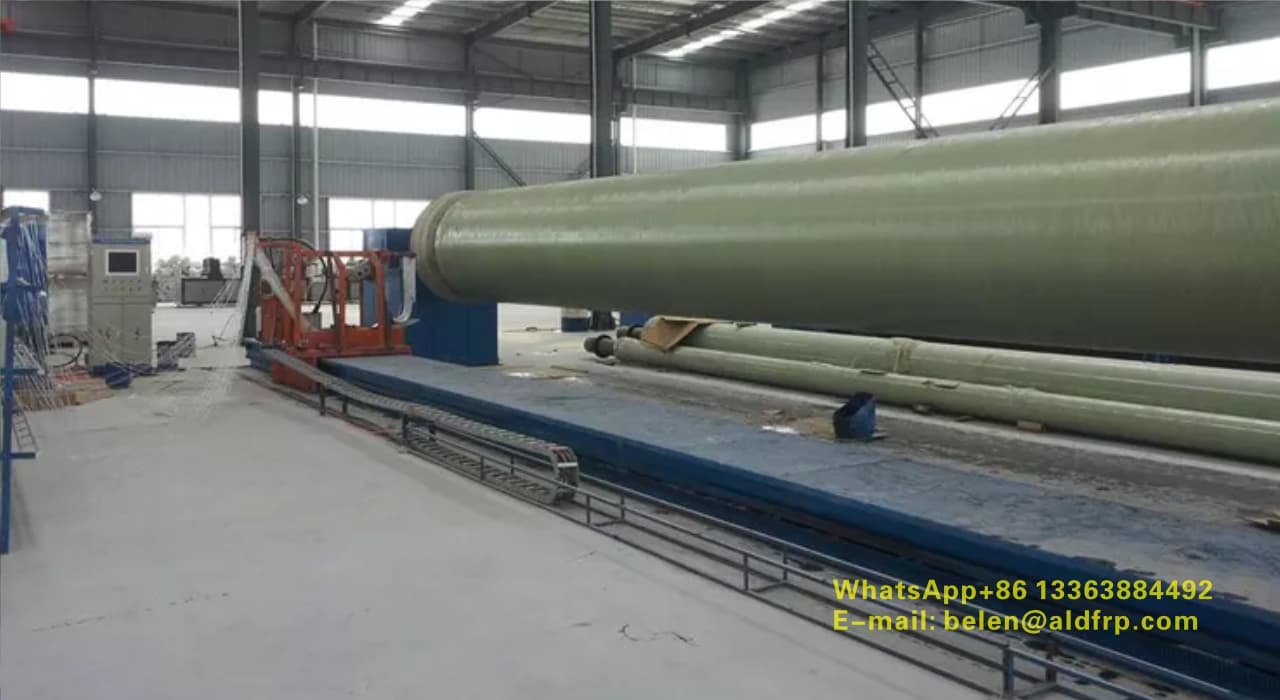
FRP pipes, also known as fiberglass reinforced plastic pipes, are composite pipes made from glass fibers and resin. These materials are combined using processes such as filament winding to create a strong, lightweight, and corrosion-resistant pipe.
The glass fibers provide structural strength, while the resin binds the fibers together and protects them from chemicals and environmental damage.
Because of these properties, FRP pipes are widely used in industries such as:
Water supply systems
Chemical processing plants
Wastewater treatment facilities
Desalination plants
Industrial cooling systems
Agricultural irrigation
Their durability and resistance to corrosion make them an attractive alternative to metal pipes.
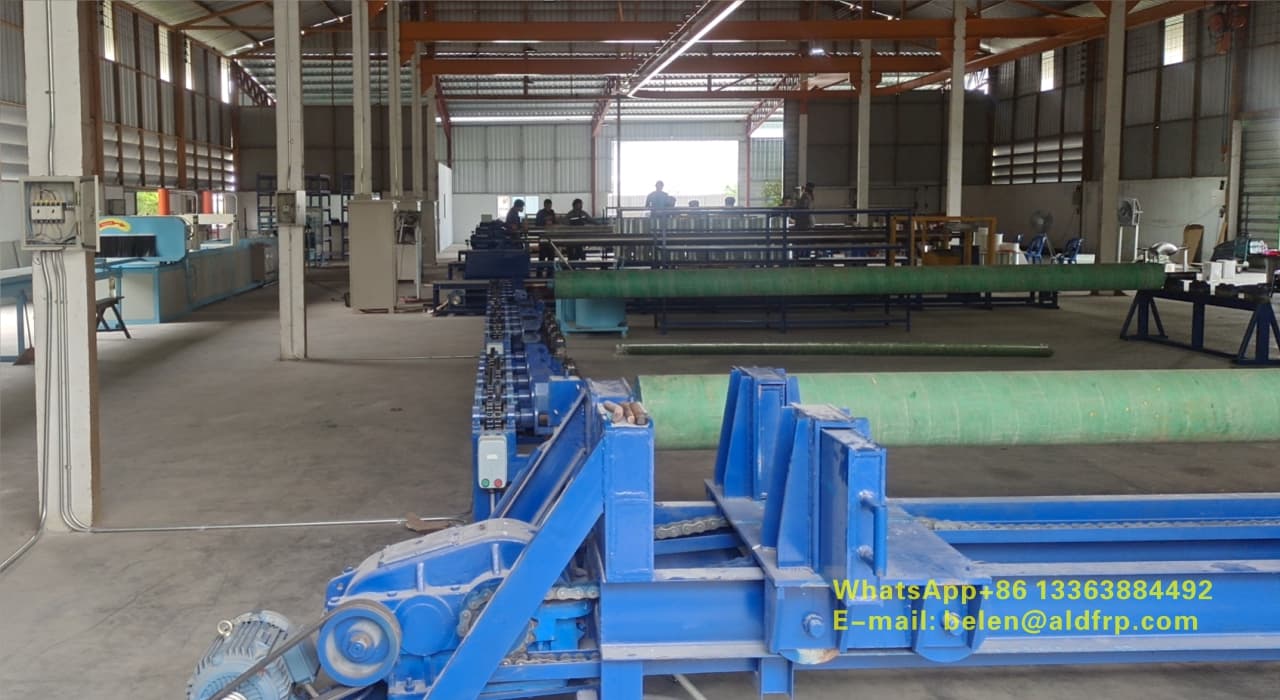
Steel pipes are traditional pipelines made from carbon steel or alloy steel. They have been used for decades in infrastructure and industrial systems because of their high mechanical strength and pressure tolerance.
Steel pipes are commonly used in:
Oil and gas pipelines
High-pressure steam systems
Structural pipelines
Fire protection systems
Heavy industrial installations
They are known for their ability to withstand extreme temperatures and mechanical loads.
To better understand FRP pipes vs steel pipes, let’s compare them across several important factors.
One of the biggest advantages of FRP pipes is their resistance to corrosion.
Steel pipes can easily corrode when exposed to moisture, chemicals, or saltwater environments. Over time, corrosion weakens the pipe and can cause leaks or structural failures.
FRP pipes, on the other hand, are naturally resistant to corrosion because they are made from composite materials. They do not rust and can handle aggressive chemicals without significant degradation.
For example, in chemical plants or wastewater treatment facilities, FRP pipelines can last for decades without requiring expensive protective coatings.
Winner: FRP pipes
Another major difference between these two pipe materials is weight.
FRP pipes are significantly lighter than steel pipes. In many cases, they weigh only about one-quarter of the equivalent steel pipe.
This lightweight structure offers several advantages:
Easier transportation
Faster installation
Lower labor costs
Reduced need for heavy lifting equipment
Steel pipes, by contrast, are heavy and often require cranes or specialized machinery during installation.
For large pipeline projects, the reduced installation cost of FRP pipes can make a big difference.
Winner: FRP pipes
Steel pipes are well known for their excellent mechanical strength.
They can handle high pressure, extreme temperatures, and heavy mechanical loads. This makes them ideal for applications like oil and gas pipelines or high-pressure steam systems.
FRP pipes also offer good strength, especially when manufactured using filament winding technology. However, their strength depends on fiber orientation and design.
In extremely high-pressure environments, steel pipes may still be the better option.
Winner: Steel pipes
Steel pipelines often require protective coatings, cathodic protection systems, and regular inspections to prevent corrosion.
These maintenance requirements can significantly increase long-term operating costs.
FRP pipes require much less maintenance because they are naturally resistant to corrosion and chemical attack. In many installations, they can operate for decades with minimal upkeep.
For industries looking to reduce maintenance costs, FRP pipes offer a clear advantage.
Winner: FRP pipes
When comparing FRP pipes vs steel pipes, service life is another important factor.
Steel pipes typically have a lifespan of around 20–30 years, depending on environmental conditions and maintenance.
FRP pipes often last much longer because they are not affected by rust or chemical corrosion. In many cases, they can have a service life of 50 years or more.
This longer lifespan makes FRP pipes a cost-effective solution for long-term infrastructure projects.
Winner: FRP pipes
At first glance, steel pipes may appear less expensive than FRP pipes. However, the initial purchase price does not always reflect the total cost of ownership.
Steel pipes require:
Protective coatings
Corrosion protection systems
Regular maintenance
Potential pipe replacement
FRP pipes may have a slightly higher upfront cost, but their lower maintenance requirements and longer lifespan often result in lower total costs over time.
For many industrial projects, this makes FRP pipes a more economical choice in the long run.
Winner: FRP pipes (long-term)
Steel is a good conductor of heat and electricity. This property can be beneficial in certain industrial applications.
FRP pipes, however, are non-conductive materials. They provide excellent electrical insulation and thermal insulation.
This can be particularly useful in environments where electrical safety or heat loss is a concern.
Here are some common applications where each pipe type is commonly used.
Chemical plants
Seawater desalination systems
Municipal water pipelines
Wastewater treatment plants
Cooling water systems
Irrigation networks
Oil and gas pipelines
High-pressure industrial systems
Structural pipelines
Fire protection systems
Steam transportation systems
FRP pipes are usually the best choice when the project involves:
Corrosive chemicals
Saltwater environments
Long service life requirements
Lightweight installation needs
Low maintenance expectations
These advantages make them ideal for modern infrastructure projects.
Steel pipes remain the preferred option when the system requires:
Extremely high pressure
Very high temperatures
Heavy structural loads
Severe mechanical impacts
In these conditions, steel’s mechanical strength can be a critical advantage.
The comparison between FRP pipes vs steel pipes ultimately depends on the specific requirements of your project.
FRP pipes offer major advantages in corrosion resistance, lightweight design, low maintenance, and long service life. These benefits make them increasingly popular in industries such as water treatment, chemical processing, and infrastructure development.
Steel pipes, however, still provide unmatched strength and pressure tolerance, which makes them essential in high-pressure and high-temperature applications.
For many modern pipeline systems, FRP pipes are becoming the preferred solution due to their durability and cost efficiency over the long term.
By carefully evaluating the operating environment, pressure requirements, and lifecycle costs, engineers can choose the pipe material that delivers the best performance for their project.