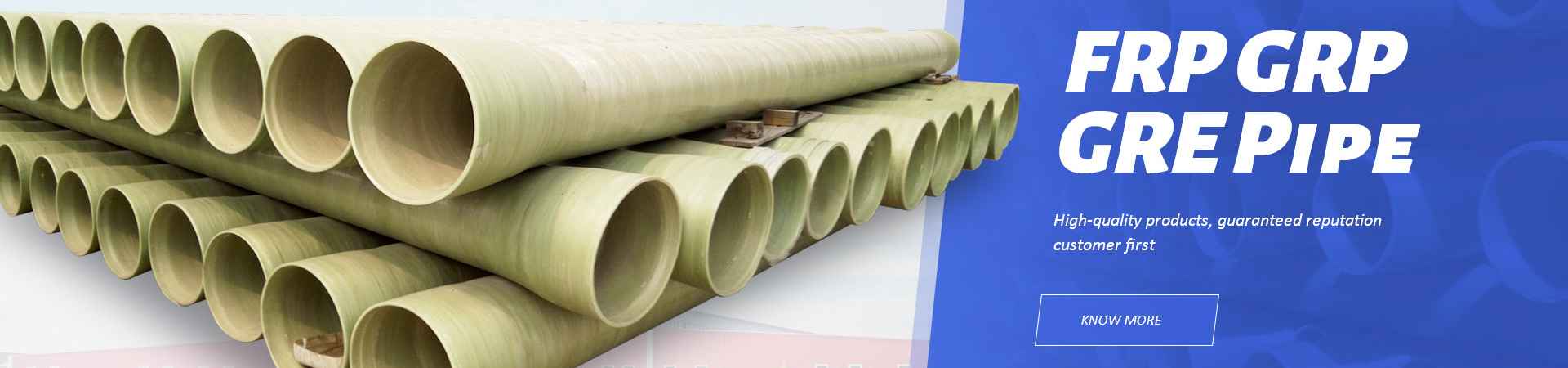

A turnkey frp rebar production line is a fully integrated industrial system designed to convert raw glass fiber and resin into continuous FRP reinforcement bars with stable mechanical properties. It is not simply a machine package but a complete production ecosystem that includes factory layout, process design, equipment integration, installation, and long-term operational support.
In real industrial projects, the performance of a turnkey fiberglass rebar plant depends less on individual equipment quality and more on how well the entire production flow is designed as a unified system. When fiber feeding, resin impregnation, pultrusion forming, and curing are not properly synchronized, even high-end machines will produce unstable output.
This is why turnkey solutions are widely used in modern composite material factories. They reduce uncertainty during commissioning and ensure that every subsystem operates under a single engineering logic.
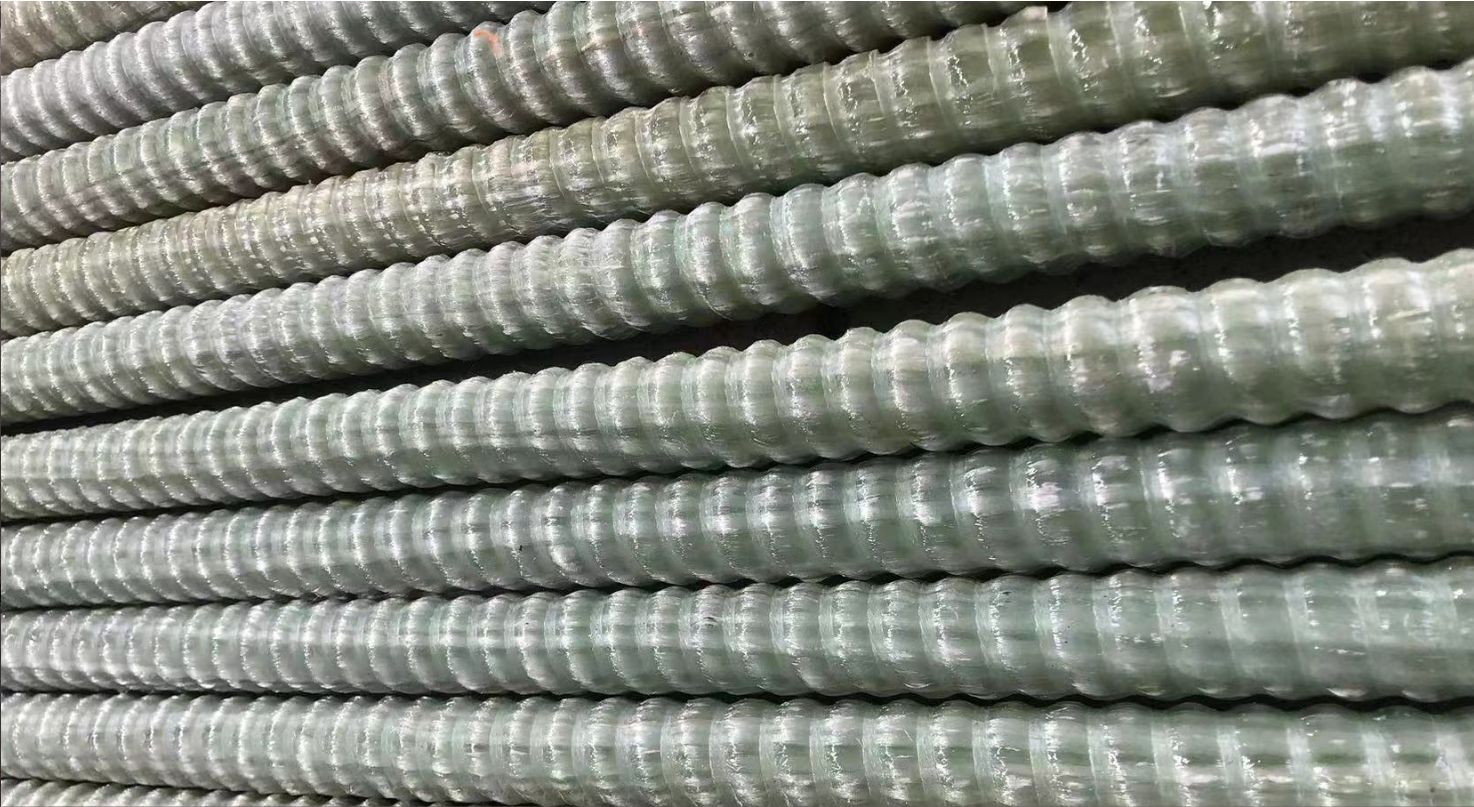
The design of a frp rebar production line supplier project begins with factory layout, and this step determines long-term production efficiency more than most investors initially realize. A linear layout is essential because FRP pultrusion is a continuous process that does not tolerate unnecessary directional changes.
Fiberglass rovings must move in a stable, straight path from creel racks to resin impregnation systems, then into heated dies, followed by cooling and cutting sections. If this flow is interrupted or forced into curved or reversed paths, fiber tension imbalance and resin accumulation problems will gradually appear during continuous operation.
Factory layout also affects maintenance accessibility and energy usage. When equipment spacing is too tight, operators cannot properly inspect resin baths or heating systems, which increases downtime risk. On the other hand, overly dispersed layouts increase material handling distance and reduce overall efficiency.
A properly designed factory layout is not visible in daily operation—but it is always reflected in production stability.
A complete turnkey frp rebar production line consists of multiple interconnected subsystems that must operate in perfect synchronization. These include fiber creel systems, resin impregnation units, pultrusion machines, heating dies, traction systems, cutting devices, and control systems.
Each subsystem plays a specific role, but none of them can function independently. For example, if pulling speed increases without adjusting die temperature or resin viscosity, incomplete curing or internal void formation may occur inside the rebar structure. This type of defect is not always visible during production but becomes critical during mechanical testing or construction use.
System integration ensures that mechanical speed, chemical reaction, and thermal curing remain balanced throughout continuous production. In practice, this balance is more important than maximizing output speed.
The pultrusion process is the core of every turnkey fiberglass rebar plant, and it is also the most sensitive stage in the entire production chain. During this stage, fiberglass fibers are continuously pulled through resin and then guided into a heated die where polymerization occurs under controlled temperature conditions.
The challenge lies in maintaining synchronization between pulling speed, resin saturation, and curing reaction. Even small deviations can accumulate into structural defects. For instance, if resin viscosity increases due to temperature fluctuation, fiber wet-out becomes incomplete, leading to dry zones inside the composite.
Another hidden risk is thermal imbalance inside the die. When the temperature gradient is uneven, surface curing may happen too quickly while the internal structure remains under-cured. This creates internal stress that may not appear immediately but will affect long-term durability.
Stable pultrusion is not about speed control alone. It is about maintaining equilibrium between mechanical force and chemical reaction across a continuous system.
Not every defect appears on the surface.
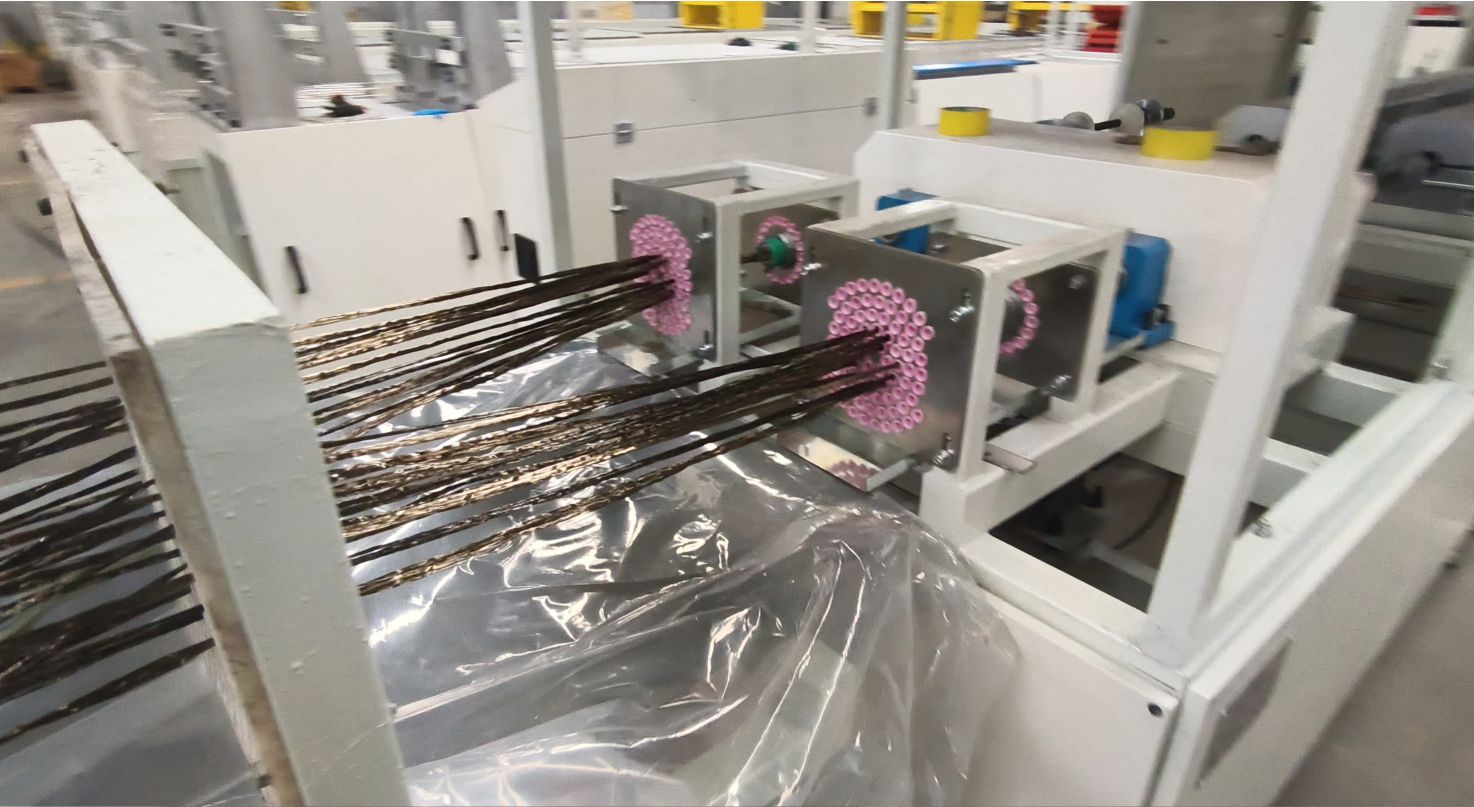
Installation of a frp rebar production line supplier system is not a simple mechanical assembly process. It is a structured engineering phase that includes alignment calibration, electrical integration, thermal system testing, and full-load simulation under real production conditions.
During installation, even small misalignments in pultrusion dies or traction systems can affect fiber distribution and tension balance. Electrical control systems must be carefully synchronized with heating units to ensure stable temperature curves across different production speeds.
Commissioning is where theoretical design meets real industrial behavior. At this stage, operators gradually adjust pulling speed, resin flow rate, and curing temperature until stable continuous production is achieved. This process often requires multiple iterations because raw material behavior changes under real environmental conditions.
A true turnkey system is not completed when equipment is installed. It is completed when stable production is achieved.
A turnkey frp rebar production line involves multiple engineering risks that are often underestimated during investment planning. One of the most common risks is mismatch between designed capacity and actual process stability. A line designed for high-speed output may fail if resin curing and thermal systems are not scaled accordingly.
Environmental conditions also introduce variability. Temperature and humidity changes can directly affect resin viscosity and curing behavior. Without proper control systems, these fluctuations can gradually reduce product consistency over time.
Material variation is another important factor. Differences in glass fiber quality or resin formulation can significantly affect tensile strength and bonding performance. Turnkey systems must be designed with enough operational tolerance to absorb these variations without affecting final product quality.
Engineering stability is not achieved by precision alone, but by controlled tolerance.
The main advantage of a turnkey fiberglass rebar plant is system consistency. Instead of sourcing equipment from multiple suppliers, all subsystems are designed to operate under a unified engineering framework. This reduces integration risk and shortens commissioning time significantly.
Turnkey suppliers also provide process knowledge, including operating parameters, maintenance strategies, and production optimization methods. In many industrial cases, this knowledge determines long-term profitability more than equipment specification itself.
A well-designed system does not only produce FRP rebar. It produces predictable output.
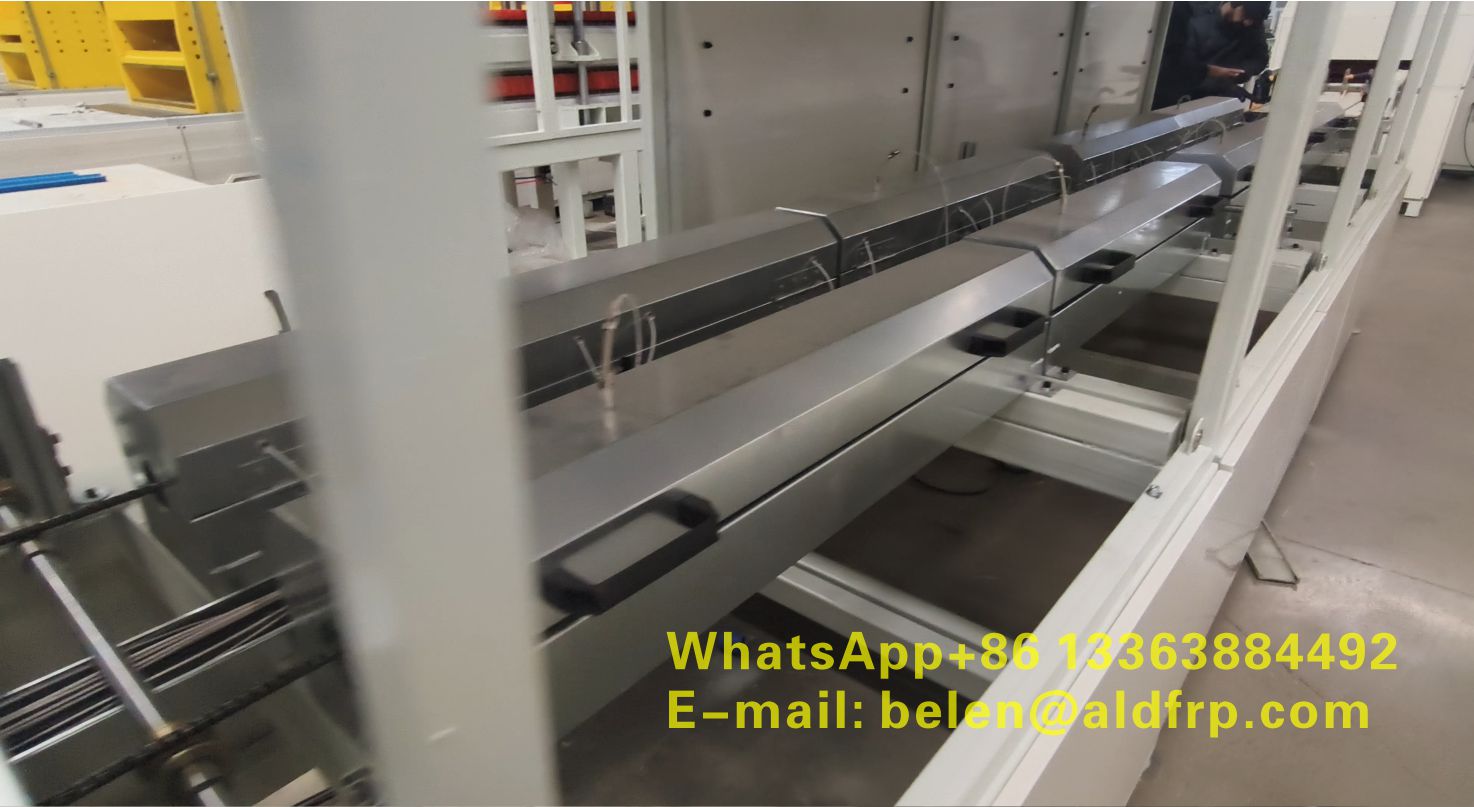
A turnkey frp rebar production line is fundamentally an integrated engineering solution rather than a collection of machines. Its success depends on how well factory layout, process control, installation precision, and commissioning strategy are combined into a single stable production system.
For investors building a turnkey fiberglass rebar plant, the key decision is not which equipment to purchase, but which system can maintain stable long-term operation under real industrial conditions. In FRP rebar manufacturing, stability always has higher value than peak performance.
The best production line is not the fastest—it is the most stable.