
Designing a potassium sulfate (K₂SO₄) factory is not just about placing equipment—it is about building a fully integrated industrial system where process flow, safety, energy efficiency, and scalability are aligned.
In real projects, plant performance is often determined at the layout stage.
A well-designed layout reduces operating cost, improves efficiency, and ensures long-term stability.
A poor layout leads to bottlenecks, safety risks, and high maintenance costs.
This guide explains how to design a practical, production-ready potassium sulfate plant layout using real industrial engineering logic.
Potassium sulfate factory design is not just about arranging equipment—it is about building a fully integrated industrial system.
Learn more about the full system in our Potassium Sulfate Production Plant Guide
Factory design is more than drawings—it is a system-level engineering process that includes:
Process flow design (PFD & PID)
Equipment selection and positioning
Material flow and logistics planning
Utility system integration (power, water, gas)
Environmental system design
Safety zoning and compliance
Future expansion planning
In simple terms:
Factory design = turning a chemical process into a stable, profitable industrial system
Before layout planning, process selection must be finalized.
Main options:
Mannheim process (furnace-based system)
Double decomposition process (wet process)
Natural mineral processing
Each process requires a fundamentally different layout.
Mannheim → centralized high-temperature furnace + gas treatment
Wet process → distributed crystallization and separation units
Layout always follows process—not the other way around
Standard flow:
Raw material → Reaction → Separation → Drying → Packaging
Avoid backflow or cross transport
Maintain one-directional flow
Key unit distance: 20–50 meters (typical industrial design)
Benefits:
Lower energy consumption
Reduced material loss
Higher system efficiency
A standard plant is divided into:
Raw material storage zone
Reaction zone
Processing zone
Finished product zone
Utility & environmental zone
Clear zoning improves safety and operational efficiency
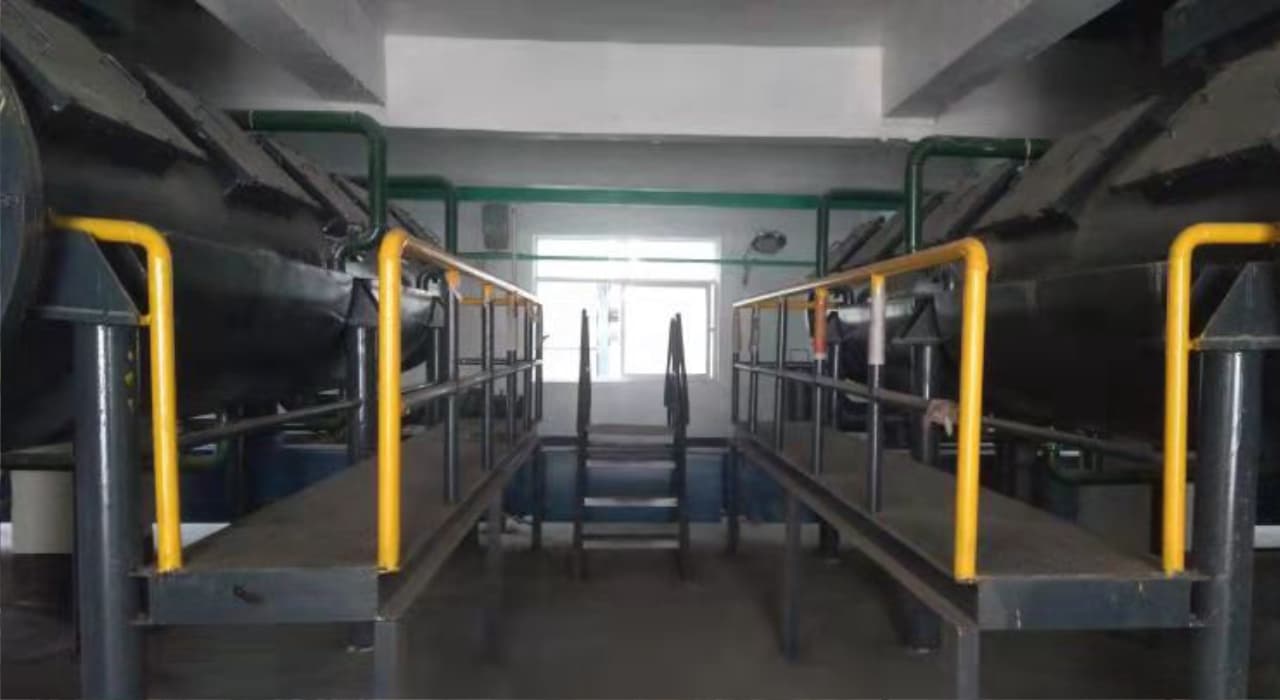
Typical requirements:
Acid storage isolated from production zones
Furnace area restricted and ventilated
Gas pipelines fully enclosed
Safety zoning is a regulatory requirement, not an option
Design should allow:
Capacity expansion
Additional production lines
Automation upgrades
Leave 15–30% extra space for future expansion
Includes:
KCl storage silo
Sulfuric acid tanks
Auxiliary materials
Located near feeding system
Equipped with containment systems
Accessible for bulk transport
Equipment:
Screw feeders
Belt conveyors
Acid dosing pumps
Positioned between storage and furnace for continuous feeding
Includes:
Mannheim furnace
Burner system
Discharge system
Heat-resistant structure
Ventilation system
Maintenance clearance
This is the central hub of the entire layout
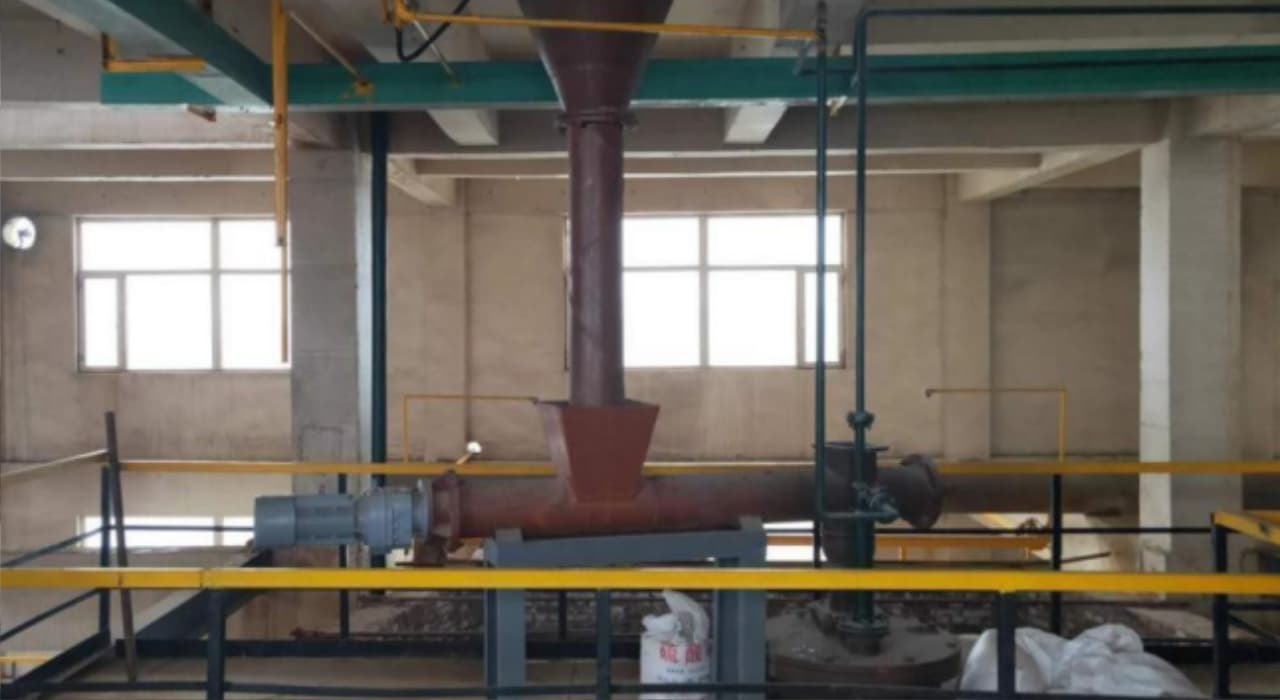
Includes:
HCl pipelines
Absorption towers
Scrubbers
Acid storage
Located adjacent to furnace
Short pipeline routing
Corrosion-resistant materials
Minimizing gas transport distance improves safety and efficiency
Functions:
Product cooling
Crystal formation
Must be directly connected to furnace discharge system
Equipment:
Centrifuges
Filters
Maximize recovery efficiency
Reduce material loss
Equipment:
Rotary dryer
Fluidized bed dryer
Screening system
Align airflow direction
Integrate dust collection system
Includes:
Bagging system
Palletizing system
Warehouse
Should be isolated from production zones and close to logistics
Includes:
Power distribution system
Cooling water system
Fuel system (natural gas)
Compressed air system
Centralized but easily accessible
Direct connection to furnace
Vertical absorption tower preferred
Installed at:
Dryer outlet
Screening area
Packaging section
Located away from core production zones
Includes neutralization and recycling units
Includes:
Hazard zone separation
Emergency shutdown systems
Fire protection systems
Gas leak detection
Personnel pathways must be separated from material flow
| Plant Size | Layout Type | Key Feature |
|---|---|---|
| 10,000–20,000 TPY | Compact | Semi-automatic |
| 30,000–50,000 TPY | Standard | Balanced design |
| 100,000+ TPY | Integrated | Multi-line + automation |
Larger capacity requires stronger logistics and automation design
| Layout Type | Advantages | Limitations |
|---|---|---|
| Centralized | Easy control, compact | Expansion limited |
| Distributed | Flexible expansion | Higher transport cost |
| Modular | Fast installation | Higher initial design complexity |
❌ Excessive equipment spacing
❌ Poor gas pipeline routing
❌ No maintenance access space
❌ Ignoring future expansion
❌ Weak environmental system planning
These errors significantly increase long-term cost
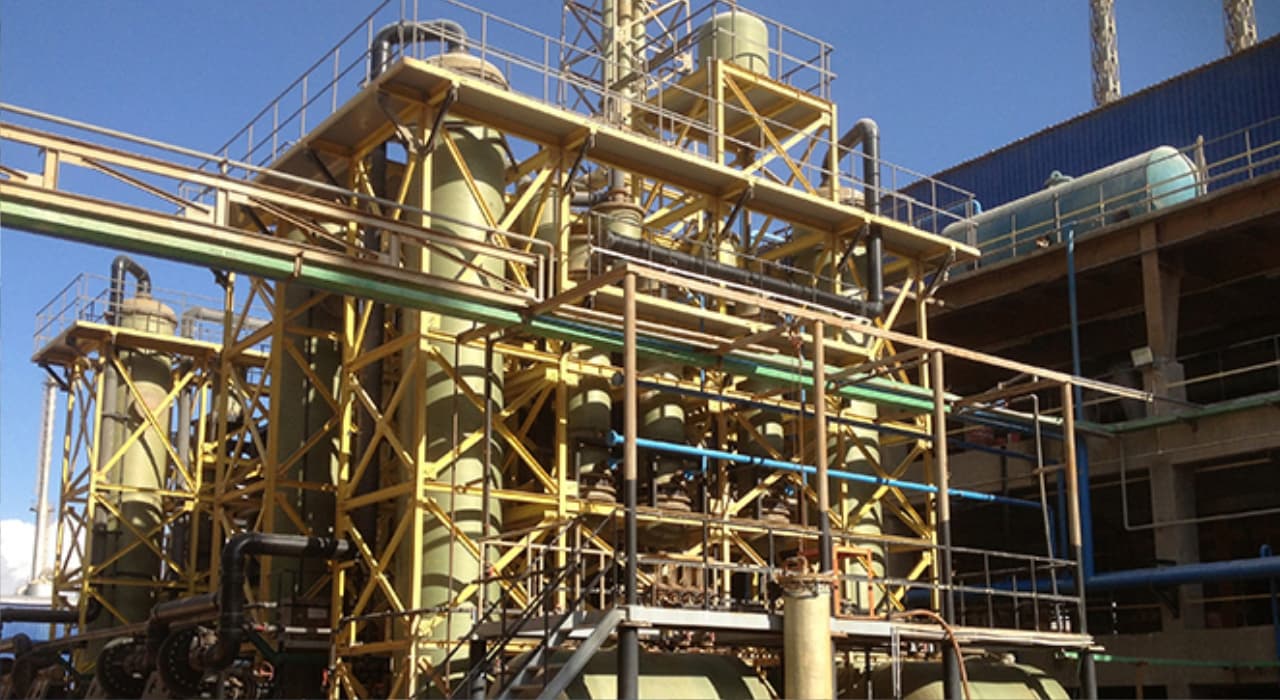
Choose layout based on:
Plant capacity
Process type
Land availability
Automation level
Environmental regulations
There is no “one-size-fits-all” layout—only optimized solutions
Modular plant systems
Smart factory integration (PLC + SCADA)
Energy recovery systems
Low-emission design
Closed-loop production
Future plants focus on efficiency + automation + sustainability
Raw material storage →
Feeding system →
Reaction furnace →
Gas treatment →
Cooling & crystallization →
Separation →
Drying →
Screening →
Packaging
A well-designed plant ensures continuous one-directional flow
To better understand full plant design, you can also read:
Potassium Sulfate Production Plant Guide
Mannheim Process Explained
Production Equipment & System Components
Plant Cost & ROI Analysis
A potassium sulfate factory layout is not just about space—it is about building an efficient, safe, and scalable industrial system.
A well-designed layout helps you:
✔ Reduce operating costs
✔ Improve efficiency
✔ Ensure environmental compliance
✔ Maintain stable product quality
✔ Enable long-term expansion
In real industrial projects, layout design is often the difference between a profitable plant and a problematic one.
Layout design directly affects project cost and investment return.Read our Potassium Sulfate Plant Cost & ROI Guide