
If you're planning to enter the fertilizer manufacturing industry—or upgrade your current production capacity—there's one product you simply can't ignore: potassium sulfate (K₂SO₄).
Over the past decade, I've seen a clear shift in the global fertilizer market. High-value crops, greenhouse farming, and export-oriented agriculture are all moving toward chloride-free fertilizers, and potassium sulfate is right at the center of that transition.
That's exactly why more investors, engineers, and fertilizer companies are now exploring how to build a potassium sulfate production plant that is:
· Technically reliable
· Cost-efficient
· E nvironmentally compliant
· And scalable for future growth
But here's the reality:
Most people don't fail because of lack of budget—they fail because they don't fully understand the system.
In this guide, I'll walk you through everything you need to know—from production process and equipment selection to plant design, cost structure, and EPC solutions—based on real industrial logic, not just theory.
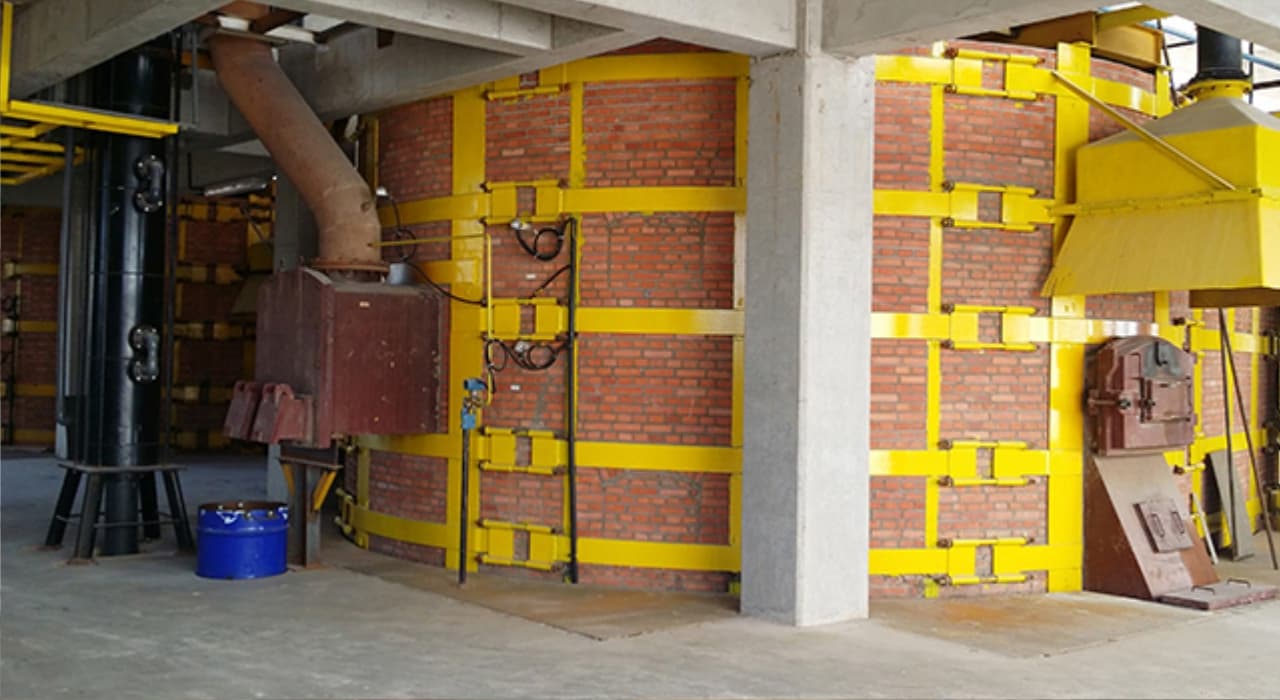
A potassium sulfate production plant is not a single machine—it's a fully integrated industrial system designed to convert raw materials into high-purity K₂SO₄ fertilizer.
· Potassium chloride (KCl)
· Sulfuric acid (H₂SO₄)
· Or natural potassium-bearing minerals (e.g., langbeinite)
· Reaction system
· Gas treatment system
· Crystallization system
· Solid-liquid separation system
· Drying system
· Packaging system
· Environmental protection system
In simple terms:
It's a continuous chemical + mechanical + thermal process system, not standalone equipment.
Before diving into technical details, it's important to understand the market logic.
Compared to potassium chloride (MOP), potassium sulfate offers:
· Chloride-free (ideal for sensitive crops like tobacco, grapes, potatoes)
· Improves crop quality (not just yield)
· Suitable for saline and alkaline soils
· High demand in greenhouse and export agriculture
· Higher product pricing
· More stable long-term demand
· Strong export potential
That's why more manufacturers are shifting from traditional fertilizers to SOP (K₂SO₄) production lines.
There is no one-size-fits-all solution. Choosing the right process is the first major decision.
This is the dominant industrial method worldwide.
Reaction principle:
KCl + H₂SO₄ → K₂SO₄ + HCl↑
For a more detailed explanation of furnace reaction principles, process workflow, and industrial applications, see our complete guide to the Mannheim process for potassium sulfate production.
· Mature and proven technology
· Stable continuous production
· High product purity (50–52% K₂O equivalent)
· Suitable for medium to large-scale plants
· Requires high-temperature operation (500–600°C)
· Generates HCl gas (must be treated or recycled)
This process is ideal for most commercial plants.
This method uses salt exchange reactions, typically involving:
· Potassium chloride
· Sodium sulfate or magnesium sulfate
· Lower emissions
· More environmentally friendly
· Lower efficiency
· Higher sensitivity to raw material quality
Suitable for regions with strict environmental regulations.
This method extracts potassium sulfate from natural ores such as:
· Langbeinite
· Kainite
· Low chemical consumption
· More sustainable
· Highly dependent on resource availability
A typical industrial production line follows a structured workflow:
Precise feeding of KCl and sulfuric acid using automated systems.
Reaction occurs in a Mannheim furnace at high temperature.
HCl gas is captured and converted into hydrochloric acid (valuable by-product).
Molten material cools and forms solid potassium sulfate crystals.
Centrifuges or filters remove impurities.
Rotary dryers or fluidized bed dryers remove moisture.
Final product is sized and packaged for market.
A well-optimized process directly impacts:
· Product quality
· Energy consumption
· Overall profitability
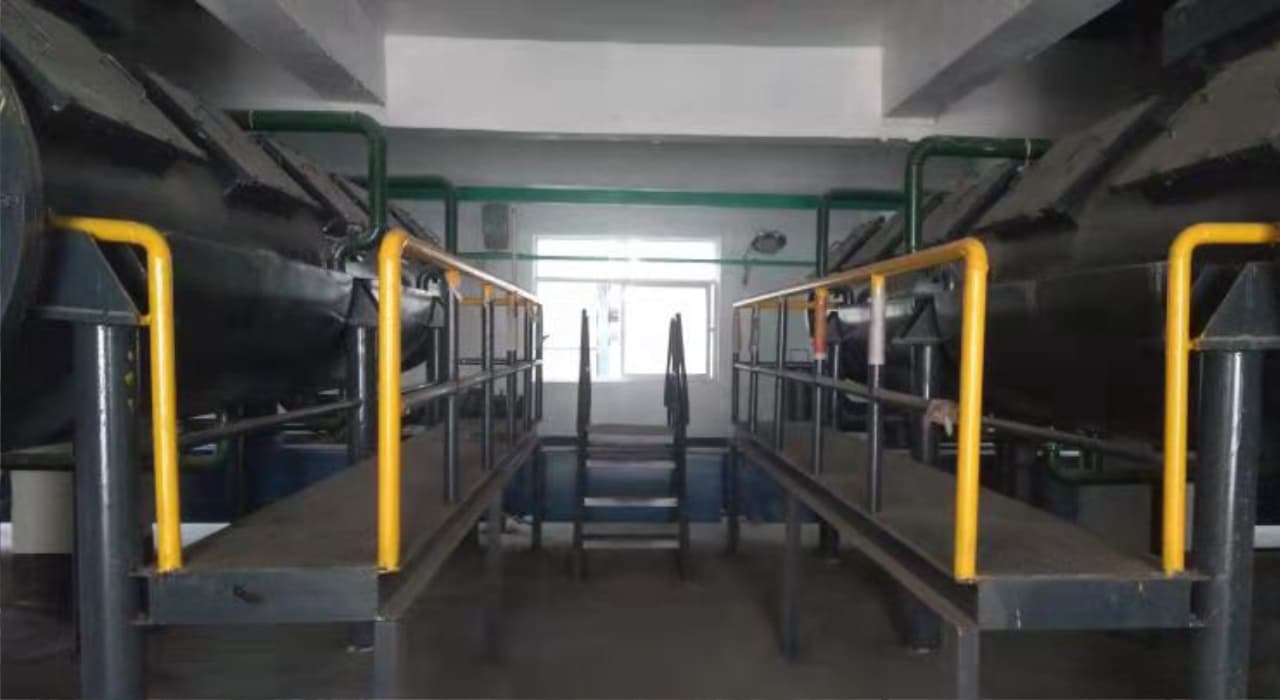
A modern SOP plant depends on multiple integrated systems.
You can also explore our detailed guide to potassium sulfate production equipment and system components to better understand how each subsystem works together in industrial SOP manufacturing.
· High-temperature resistant
· Acid-resistant lining
· Continuous operation
· Precise control of sulfuric acid flow
· Ensures stable reaction efficiency
· Converts HCl gas into hydrochloric acid
· Critical for environmental compliance
· Controls crystal size and uniformity
· Centrifuges or filtration units
· Rotary dryer or fluidized bed dryer
· Reduces emissions and improves safety
· Automated weighing and bagging
Equipment selection is not about buying machines—it's about system compatibility and integration.
This is where many projects succeed or fail.
Typical production scales:
· 10,000 TPY (entry-level)
· 30,000–50,000 TPY (standard industrial)
· 100,000+ TPY (large-scale EPC projects)
A well-designed layout ensures:
· Smooth material flow
· Lower energy consumption
· Easier maintenance
Poor layout = long-term operational loss
Plant layout directly affects production efficiency, maintenance accessibility, safety, and future expansion capability. You can read our detailed potassium sulfate factory design and layout planning guide for practical industrial layout strategies.
Due to corrosion:
· Acid-resistant steel
· Stainless steel
· Refractory lining
Modern plants focus on:
· Heat recovery
· Fuel efficiency
· Process integration
Must include:
· HCl recovery system
· Dust removal system
· Wastewater treatment
Required for compliance with US, EU, and global standards.
Environmental compliance is becoming a critical factor in modern SOP manufacturing. Read our detailed guide on environmental regulations impacting K2SO4 production lines.
This is one of the most critical decision factors.
For a more detailed breakdown of CAPEX, OPEX, profitability, and investment return, see our potassium sulfate production line cost analysis and ROI guide.
· Equipment (40–60%)
· Construction (15–25%)
· Utilities (10–15%)
· Automation (5–10%)
· Environmental systems (5–10%)
Includes:
· Raw materials (largest variable cost)
· Energy consumption
· Labor
· Maintenance
· Environmental compliance
In many cases, raw materials alone can account for 60–70% of total operating cost
· Small plant: $1M – $3M
· Medium plant: $3M – $10M
· Large EPC plant: $10M – $30M+
A well-operated SOP plant can achieve strong returns.
· Product pricing
· Raw material cost
· By-product HCl sales
· Production efficiency
Global SOP demand, fertilizer pricing, and agricultural trends also significantly affect long-term profitability. Learn more in our potassium sulfate market trends and global demand forecast analysis.
2–5 years
A 50,000 TPY plant:
· Stable output
· Consistent export demand
· Additional income from HCl
Can generate significant long-term profit if properly managed.
Advantages:
· One-stop solution
· Faster project delivery
· Lower technical risk
· Integrated system design
You can also read our complete turnkey potassium sulfate production plant EPC guide covering engineering design, equipment integration, commissioning, and project delivery.
Advantages:
· Flexible supplier choice
Disadvantages:
· Higher engineering complexity
· Longer commissioning time
In modern projects, EPC is becoming the dominant model.
Even with mature technology, challenges remain:
· Equipment corrosion
· HCl gas handling
· Energy consumption control
· Product consistency
These are engineering problems—not just equipment issues.
This decision directly impacts your project success.
· Industry experience
· Proven project references
· Engineering capability
· Customization ability
· After-sales support
A good supplier delivers a complete solution, not just machines.
The industry is evolving toward:
· Automation & smart factories
· Low-emission technology
· Energy recycling systems
· Modular plant design
· Industry 4.0 integration
Sustainability is becoming a core requirement—not optional.