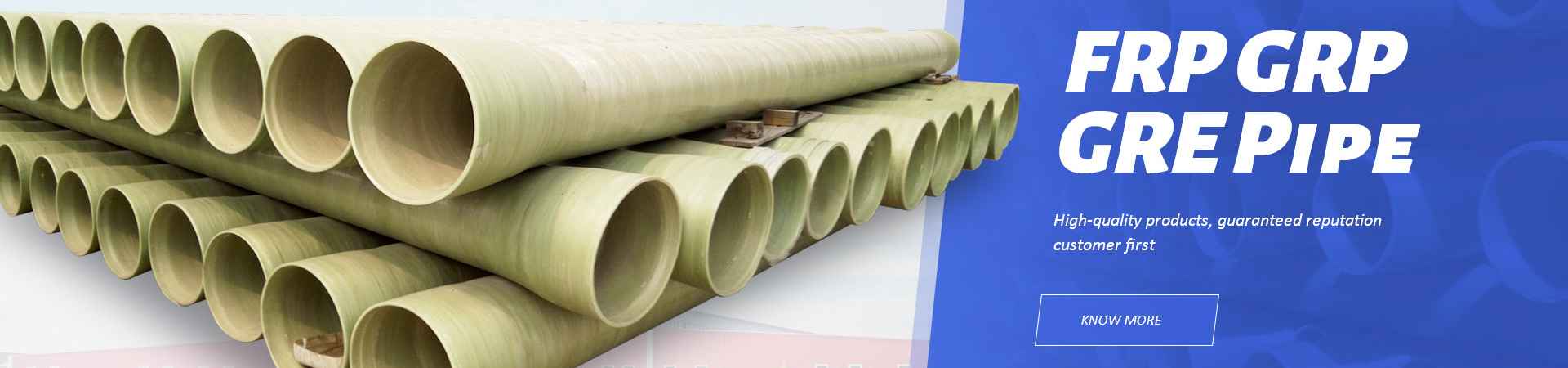

Selecting the right pultrusion machine is critical for manufacturers who aim to produce high-quality composite profiles efficiently. Pultrusion is a highly specialized manufacturing process used to create continuous fiber-reinforced polymer (FRP) profiles. Choosing the wrong equipment can result in lower productivity, inconsistent product quality, higher operational costs, and increased downtime. This comprehensive guide will help you understand pultrusion machines, compare different types, evaluate key factors, and make informed decisions for your production line.
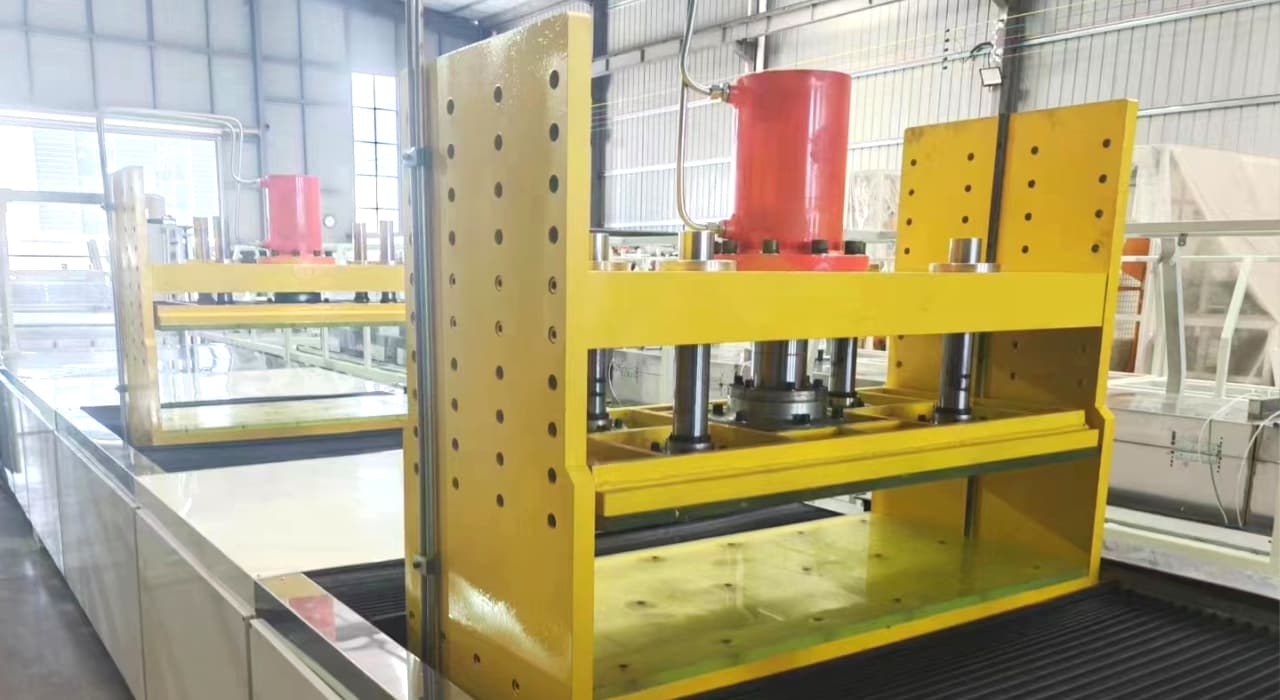
A pultrusion machine continuously pulls fibers—such as glass fiber, carbon fiber, or aramid fiber—through a resin bath and a heated mold to create composite profiles with consistent dimensions and high mechanical strength. The process combines continuous fiber reinforcement with thermosetting resins to produce structural components used in industries such as construction, transportation, energy, and chemical processing.
Key process parameters include:
Temperature control: Usually ranges from 120°C to 180°C depending on the resin system. Proper temperature is crucial for complete curing and high surface quality.
Pulling force: Varies from 5 kN to 500 kN depending on profile size and complexity. Insufficient force can lead to dimensional errors, while excessive force may damage the fibers.
Production speed: Typically 0.5–3.0 m/min, but this must be adjusted according to resin cure time and profile complexity.
Maintaining stable process parameters ensures dimensional accuracy, structural performance, and consistent surface finish for every profile.
Pultrusion machines are broadly divided into hydraulic (reciprocating) machines and continuous (crawler or chain) machines. Each type has advantages, limitations, and specific applications.
Hydraulic pultrusion machines use reciprocating clamps or hydraulic cylinders to pull the composite profile through the die.
Key features:
Ideal for low to medium production volumes, typically 200–500 tons per year.
Pulling force ranges from 5–150 kN.
Advantages:
Can handle complex profile geometries.
Lower initial investment and relatively simple operation.
Flexible for frequent product changes.
Typical applications: Custom profiles, medium-sized structural components, and small-batch industrial products.
Limitations: Lower production speed compared to continuous machines and less suitable for high-volume manufacturing.
Continuous pultrusion machines use a crawler or chain system to provide a stable, uninterrupted pulling force, which improves profile consistency.
Key features:
Designed for high-volume production, from 500 to over 2000 tons per year.
Pulling force ranges from 50–500 kN.
Advantages:
Stable pulling force ensures consistent dimensional accuracy.
Higher production speed and improved surface quality.
Supports full automation and integration with process monitoring systems.
Common applications: Large-scale structural profiles, construction components, and industrial mass production.
Limitations: Higher initial investment and more complex maintenance requirements.
Selecting the right machine requires careful consideration of production requirements, product specifications, and material properties.
Your annual output determines the type of machine best suited for your production line:
Less than 200 tons/year: Hydraulic machines are more cost-effective.
200–1000 tons/year: Both hydraulic and continuous machines may work, depending on the complexity and size of profiles.
Over 1000 tons/year: Continuous pultrusion machines are recommended to maximize efficiency and maintain consistent quality.
The cross-sectional area and complexity of the profile determine the pulling force and line speed:
Small profiles: 20–50 kN
Medium profiles: 50–150 kN
Large or complex profiles: 150–500 kN
Profiles with intricate shapes or large dimensions may require slower line speeds to ensure proper resin curing and dimensional stability.
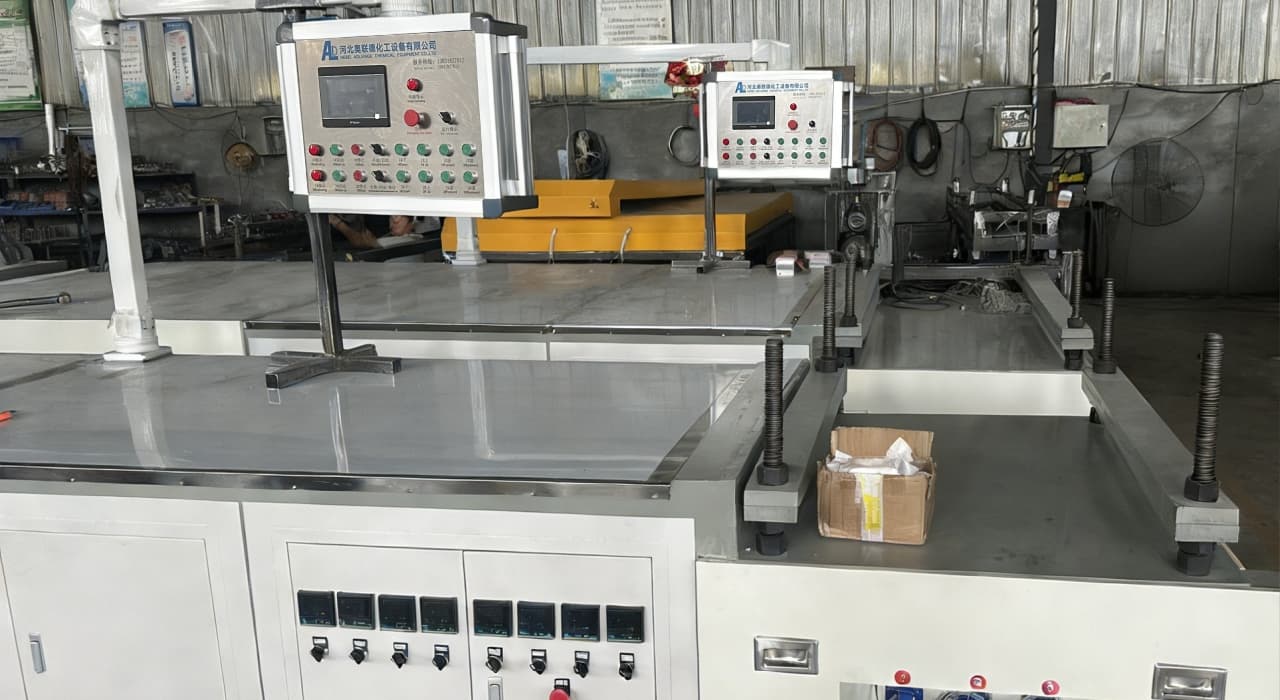
Different resins require specific curing conditions. Proper alignment of machine settings with the resin system is critical:
| Resin Type | Temperature Range | Recommended Speed | Cure Time |
|---|---|---|---|
| Polyester | 140–160°C | 0.8–2.5 m/min | 30–60 s/m |
| Vinyl Ester | 160–180°C | 0.6–2.0 m/min | 45–75 s/m |
| Epoxy | 120–140°C | 0.4–1.5 m/min | 60–90 s/m |
Fiber type also influences machine selection:
Glass fiber: Most common and cost-effective; suitable for most profiles.
Carbon fiber: Requires higher precision due to high stiffness; often used for aerospace or high-strength applications.
Aramid fiber: Lightweight and impact-resistant; may require specialized handling and tension control.
Even with the right machine, manufacturers may encounter common issues:
1. Surface Defects (Bubbles, Delamination)
Cause: Improper mold temperature, resin viscosity issues, or insufficient cure time.
Solution:
Lower mold temperature by 10–15°C if resin is curing too fast.
Adjust line speed and resin formulation to ensure proper wet-out.
2. Dimensional Instability
Cause: Variations in pulling force or resin viscosity.
Solution:
Use servo-controlled pulling systems.
Maintain consistent resin temperature and viscosity.
3. Inconsistent Mechanical Properties
Cause: Uneven fiber tension or incomplete curing.
Solution:
Monitor fiber tension across all guides.
Ensure uniform heating throughout the mold.
Modern pultrusion lines increasingly rely on automation and real-time monitoring for quality assurance:
Laser measurement systems: Provide ±0.05 mm dimensional accuracy.
Vision systems: Detect surface defects, voids, or delamination.
Data monitoring: Track temperature, pulling force, and line speed to prevent errors.
High automation improves efficiency, reduces waste, and ensures consistent product quality.
When choosing a pultrusion machine supplier, consider:
Technical expertise and R&D capabilities.
Availability of on-site training and after-sales support.
Response time and service reliability.
Spare parts supply and maintenance support.
A reliable supplier offers not only high-quality machines but also process optimization, technical guidance, and long-term support.
Investing in a pultrusion machine requires evaluating both upfront costs and long-term operational costs:
Machine cost: $150,000–$1,200,000 depending on size and automation.
Installation, commissioning, and spare parts costs.
Energy, labor, and maintenance expenses.
Automated machines have higher initial costs but reduce long-term labor and quality control expenses. ROI is typically achievable within 18–36 months for medium to high-volume production lines.
A mid-sized composite profile manufacturer in Europe switched from a hydraulic to a continuous pultrusion machine. The results:
Production speed increased from 1.2 m/min to 2.5 m/min.
Dimensional consistency improved by 30%.
Defective profiles dropped from 8% to less than 2%.
ROI achieved in under 2 years due to reduced labor costs and increased throughput.
This example highlights the importance of matching machine type to production requirements and product complexity.
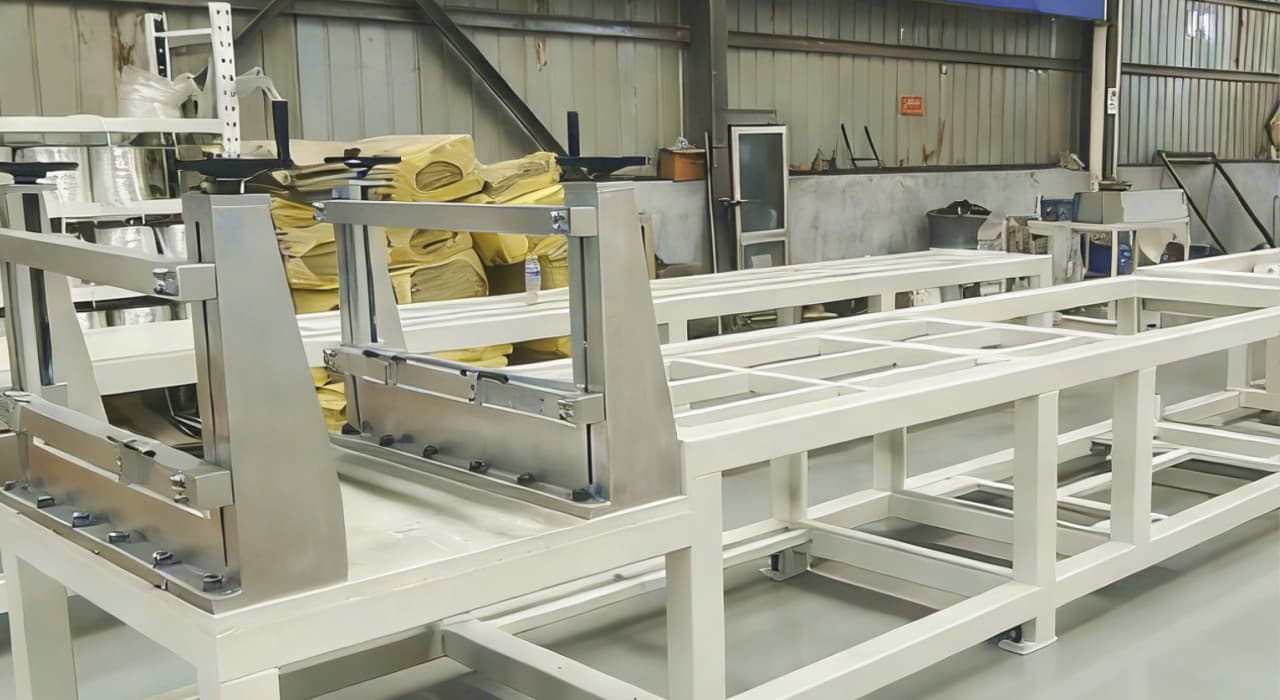
Choosing the right pultrusion machine is more than selecting equipment; it involves aligning your machine with production volume, profile complexity, and material requirements. Proper selection ensures stable, high-quality production, minimizes waste, and maximizes long-term return on investment.
By carefully considering machine type, process parameters, automation features, and supplier capabilities, manufacturers can optimize their pultrusion operations and maintain a competitive edge in the composite materials industry.