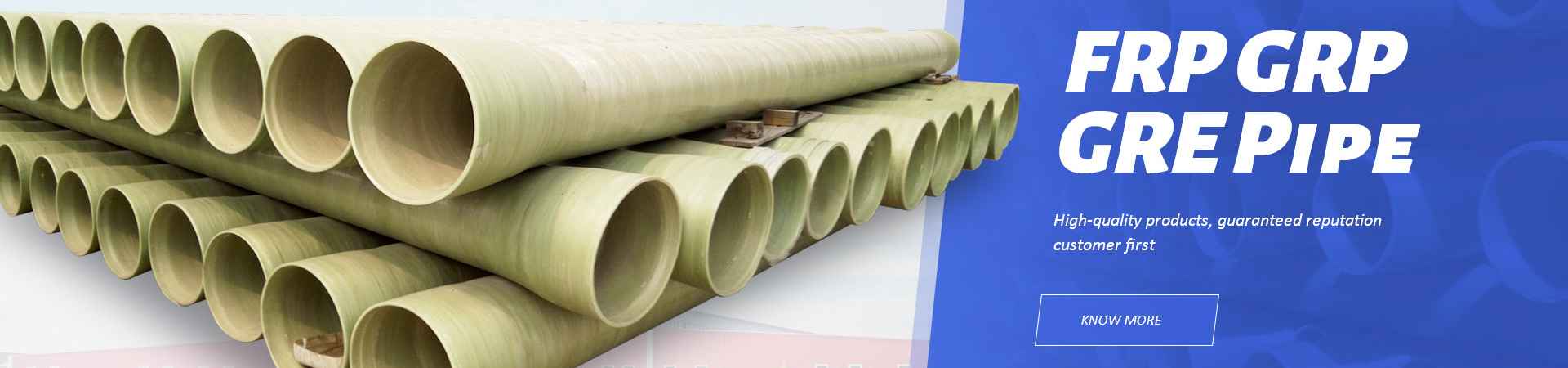

Choosing an FRP rebar machine is not a simple equipment purchase.
It is a long-term industrial investment decision that directly determines:
Production stability
Manufacturing cost
Product quality consistency
Factory scalability
Long-term profitability
In real industrial projects, the biggest mistake is:
❌ Choosing based on price or machine appearance
✔ Instead of matching system capability with production goals
This guide explains how professional buyers evaluate FRP rebar machine systems before investment.
An FRP rebar machine is not a single machine.
It is a complete production system, usually including:
Fiber feeding system
Resin impregnation system
Pultrusion forming unit
Curing system
Pulling system
Cutting & automation control system
So the real decision is not “which machine to buy”
but:
“Which production system fits my factory strategy?
Before comparing suppliers, you must clearly define 3 core parameters:
Ask:
Daily output requirement (kg / ton)
Continuous 24h operation or not
Expansion plan in 2–5 years
Typical categories:
Small scale → pilot / local market
Medium scale → commercial production
Large scale → export & industrial supply
Capacity determines line design, automation level, and cost structure.
Different projects require different FRP rebar sizes:
Small diameter → construction reinforcement
Medium diameter → infrastructure projects
Large diameter → heavy engineering use
Larger diameter systems require:
Stronger pulling system
Longer curing zone
Higher structural stability design
Your end-use market defines machine configuration:
Civil construction
Marine engineering
Chemical plants
Infrastructure & bridges
Each market has different requirements for:
corrosion resistance
durability
mechanical strength
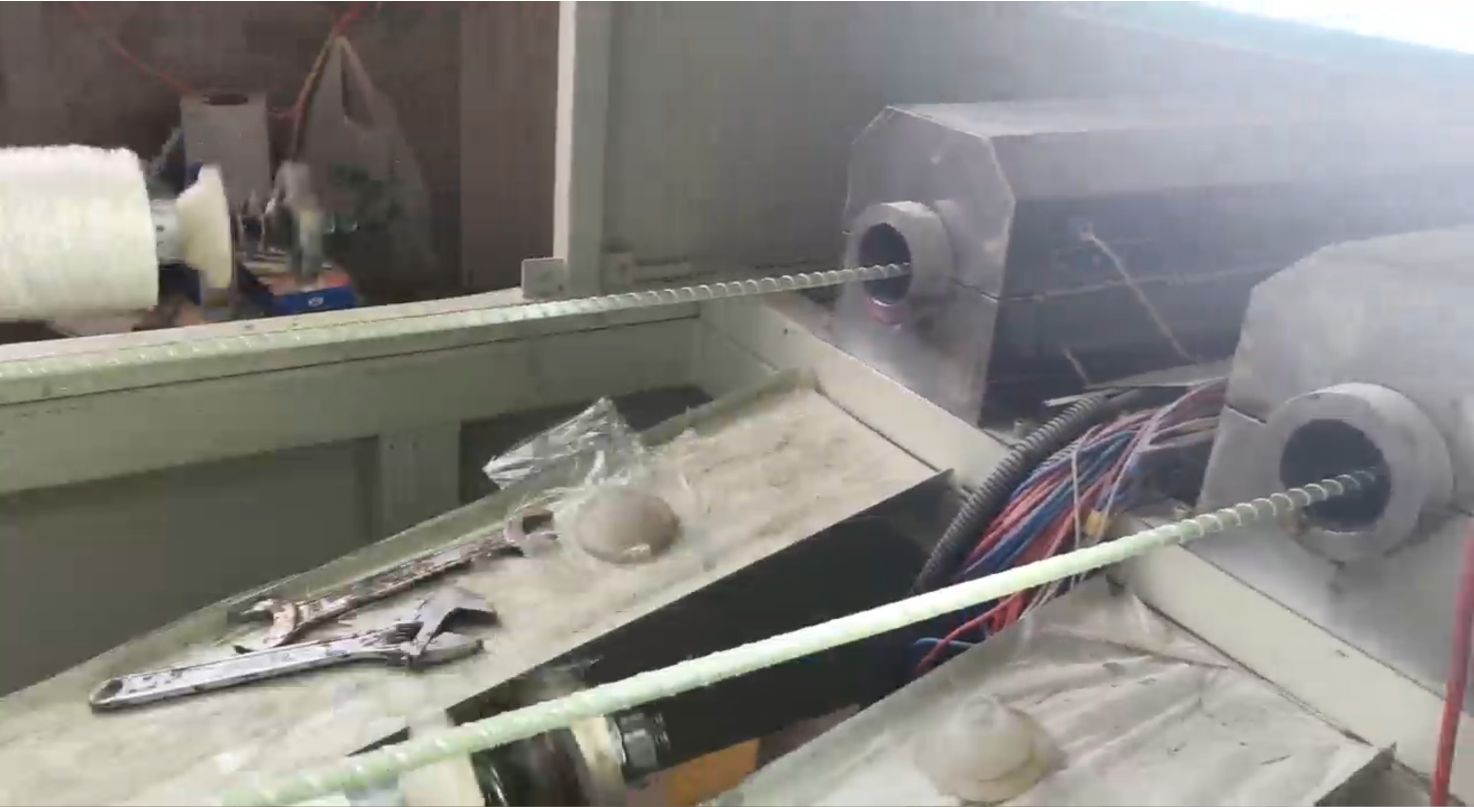
Automation directly affects labor cost, stability, and ROI.
Best for:
startups
small workshops
Features:
manual resin control
basic operation system
Pros:
✔ low investment
✔ easy to operate
Cons:
❌ unstable output
❌ high labor dependency
Best for:
medium factories
Features:
PLC control system
synchronized production
stable parameter control
Pros:
balanced cost & stability
suitable for mass production
Best for:
export factories
large-scale production
Features:
real-time monitoring
automatic parameter adjustment
defect detection system
Pros:
highest stability
lowest long-term cost
best product consistency
Instead of focusing on “whole line”, professional buyers evaluate core modules.
Check:
synchronization accuracy
speed stability
continuous operation capability
Stability is more important than speed.
Important factors:
resin viscosity range support
temperature control range
curing adaptability
Not all machines support all resin systems.
Critical indicators:
temperature zoning accuracy
curing uniformity
die design quality
Poor curing = unstable mechanical strength.
Impacts:
dimensional accuracy
production continuity
long-term reliability
Better systems = fewer shutdowns.
Evaluate:
cutting precision
length consistency
automatic stacking capability
Higher automation reduces labor cost significantly.
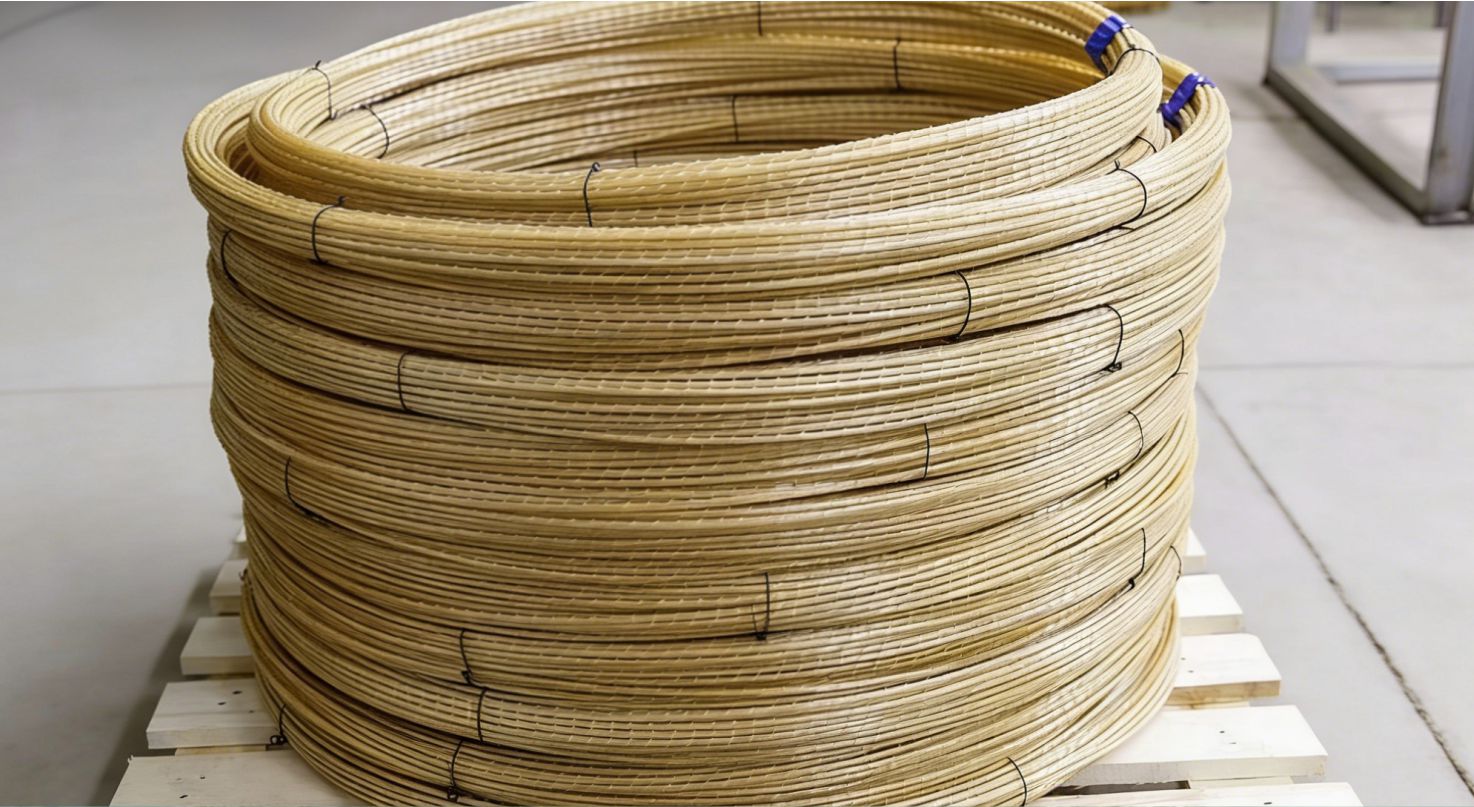
Machine selection must match factory layout.
Key factors:
available production space
line length requirement
raw material storage
safety clearance zone
✔ easiest operation
✔ suitable for most factories
✔ space-saving
✔ better workflow efficiency
✔ high capacity production
✔ industrial-scale factories
A common mistake is choosing the cheapest machine.
Better approach:
✔ Evaluate total lifecycle cost (not purchase price)
Include:
labor cost
energy consumption
material waste rate
downtime loss
maintenance cost
High-quality machines often reduce total cost long-term.
Low price usually means:
lower automation
unstable performance
higher defect rate
Results in:
production bottleneck
wasted investment
Not all machines fit all resin systems.
Without support:
installation delays
unstable production start-up
Experienced buyers focus on:
Can supplier understand:
pultrusion process
composite behavior
system integration
Can they deliver:
✔ a complete working production system
Including:
installation
training
troubleshooting
optimization support
Equipment must support:
continuous operation
low downtime
consistent quality output
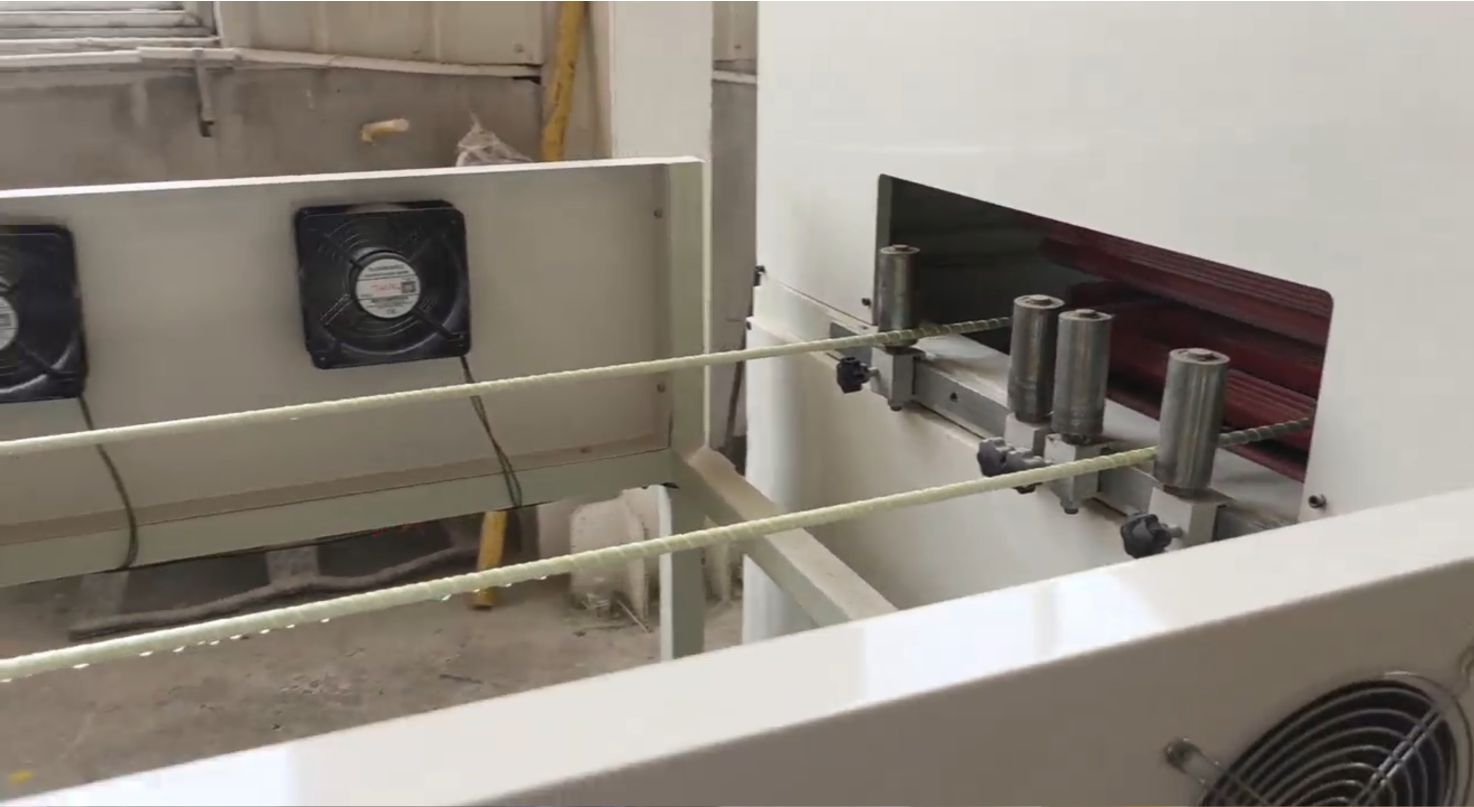
Before purchasing, answer:
What is my production capacity target?
What product sizes do I need?
What automation level do I want?
What factory space do I have?
What ROI do I expect?
If all are clear → you are ready to select equipment.
Choosing an FRP rebar machine is not a product decision.
It is a system engineering + investment decision.
The right equipment selection depends on:
production goals
automation strategy
system integration capability
long-term ROI
supplier engineering strength
In modern composite manufacturing, success depends on choosing the right production system—not the cheapest machine.