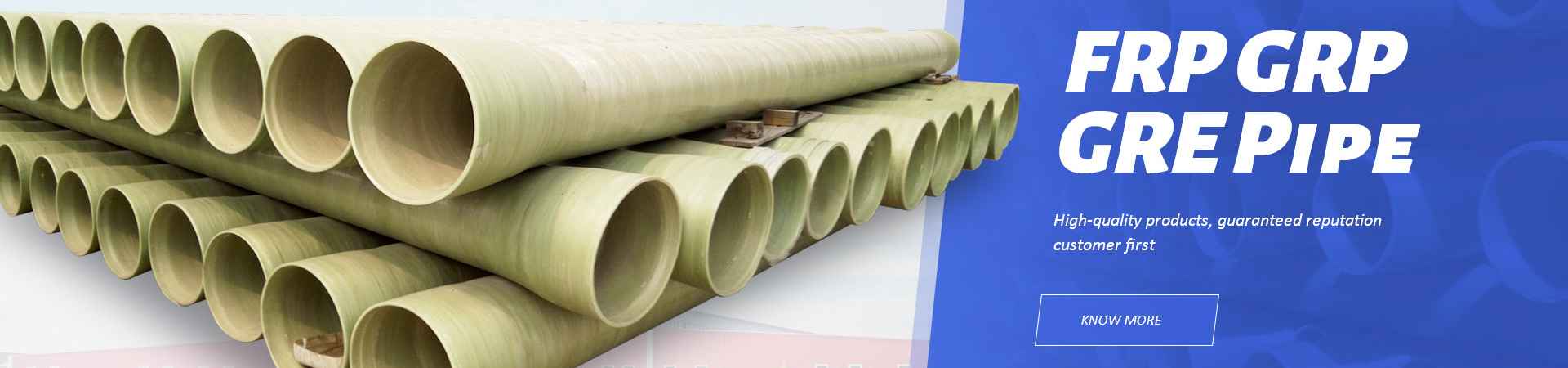
FRP rebars are widely used in bridges, marine structures, tunnels, and coastal infrastructure because of their:
corrosion resistance
lightweight structure
high tensile strength
long service life
However, not all products perform equally well.
Some projects achieve excellent durability for decades, while others experience:
In most cases, the problem is not the material itself.
The real issue is usually poor manufacturing quality and unstable pultrusion process control.
This article explains the most common FRP rebar manufacturing defects, their causes, and practical engineering solutions.
1. Why Some FRP Rebars Fail
High-quality FRP rebar production requires stable control of:
fiberglass alignment
resin impregnation
curing temperature
pulling speed
surface treatment
If any stage becomes unstable, product quality may decrease significantly.
Common failure causes include:
| Manufacturing Problem | Possible Result |
|---|
| Poor curing | Cracking & weak structure |
| Fiber misalignment | Reduced tensile strength |
| Resin voids | Internal defects |
| Weak surface treatment | Poor concrete bonding |
| Pulling instability | Diameter inconsistency |
2. Surface Cracking Problems
Surface cracking is one of the most common visible defects in FRP rebars.
Main Causes
Unstable curing temperature
If die temperature fluctuates:
Excessive production speed
When pultrusion speed is too high:
Incorrect resin formulation
Poor additive balance may reduce:
flexibility
crack resistance
long-term durability
Engineering Solutions
✔ Multi-zone heating control
✔ Stable curing profile
✔ Optimized pulling speed
✔ Proper resin formulation
3. Weak Bonding with Concrete
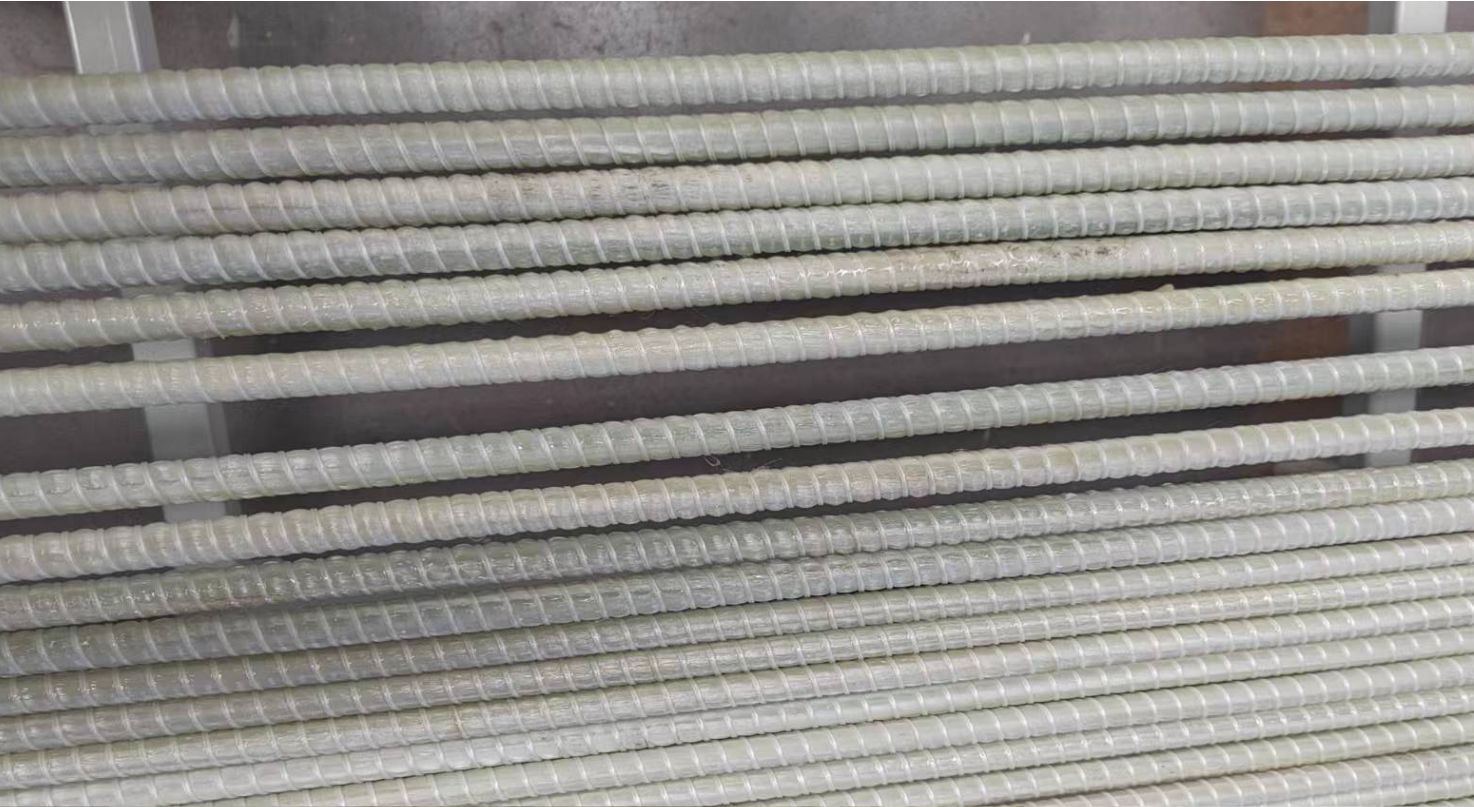
Some rebars fail because they cannot properly bond with concrete.
This may cause:
Common Manufacturing Causes
Poor surface treatment
Weak sand coating or uneven rib design reduces adhesion.
Resin-rich surface
Too much surface resin decreases mechanical interlock.
Low-quality wrapping process
Improper helical wrapping weakens pull-out resistance.
Engineering Solutions
✔ Quartz sand coating optimization
✔ Precision surface wrapping
✔ Controlled rib structure design
4. Low Tensile Strength
High tensile performance is one of the biggest advantages of FRP rebars.
But poor production control may reduce strength significantly.
Main Causes
Fiber misalignment
Twisted or uneven fiberglass lowers load transfer efficiency.
Poor resin impregnation
Incomplete wet-out creates weak internal bonding.
Fiber breakage
Excessive tension may damage reinforcement fibers.
Engineering Solutions
✔ Stable fiber tension control
✔ Improved impregnation system
✔ Optimized preforming design
5. Internal Voids and Air Pockets
Internal voids are dangerous hidden defects in FRP rebar production.
They may not be visible externally but can seriously weaken structural performance.
Why Voids Occur
Engineering Solutions
✔ Resin viscosity optimization
✔ Controlled resin temperature
✔ Improved impregnation bath design
✔ Stable pultrusion speed
6. Why Process Control Is Critical
Even premium materials can fail under unstable production conditions.
Important control areas include:
| Process Area | Failure Risk |
|---|
| Fiber tension | Misalignment |
| Resin viscosity | Voids |
| Die temperature | Cracking |
| Pulling speed | Incomplete curing |
| Surface treatment | Bond failure |
In modern FRP rebar manufacturing, stable process control is just as important as raw materials.
7. How Automation Improves Quality
Modern production lines increasingly use:
Automation helps reduce:
✔ human error
✔ defect rate
✔ parameter fluctuation
✔ production inconsistency
8. Importance of Quality Control
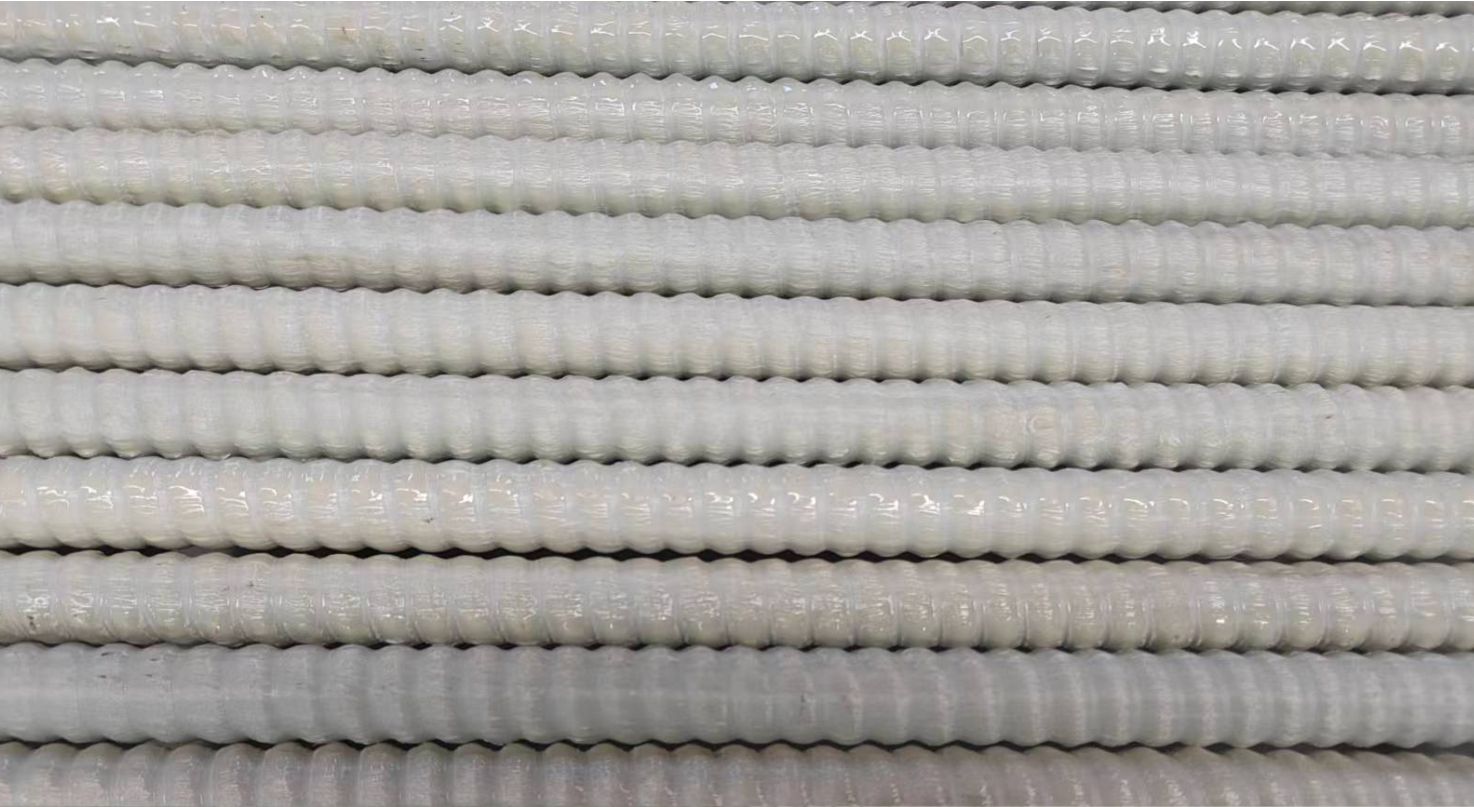
Professional manufacturers perform continuous quality control during production.
Common testing methods include:
These tests help ensure long-term engineering reliability.
Conclusion
Most FRP rebar failures are not caused by the composite material itself.
They are usually linked to:
High-quality FRP rebar production requires:
✔ stable manufacturing systems
✔ optimized curing technology
✔ proper fiber alignment
✔ reliable surface treatment
✔ continuous process monitoring
As global infrastructure projects increasingly adopt composite reinforcement materials, manufacturers with advanced engineering control and stable production technology will lead the future of the FRP rebar industry.