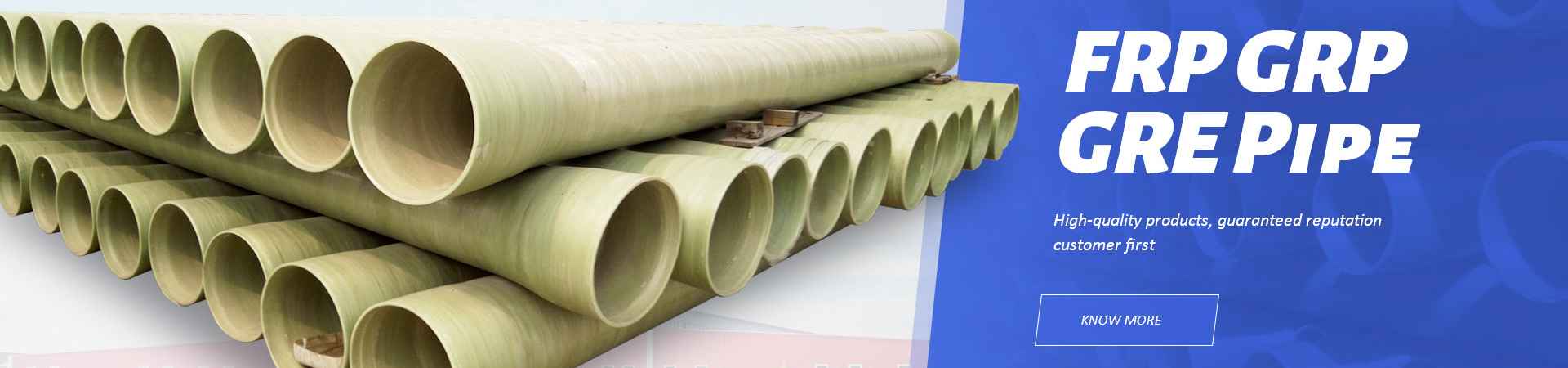

FRP rebar manufacturing has evolved from a traditional pultrusion process into a highly integrated automation-driven industrial production system.
In 2026, leading fiberglass rebar factories are no longer competing only on machine capacity, but on:
automation level
intelligent production capability
process stability
system integration efficiency
Modern FRP rebar production lines combine PLC control systems, servo-driven motion control, and sensor-based intelligent monitoring to achieve stable, continuous, and high-precision manufacturing.
This article explains how automation technologies are transforming modern FRP rebar production lines into intelligent manufacturing systems.
FRP rebar manufacturing is a continuous composite process involving multiple tightly connected stages:
fiber tension control
resin impregnation
pultrusion curing
traction synchronization
cutting precision control
Even minor instability in one stage can lead to:
diameter inconsistency
fiber misalignment
weak bonding strength
surface defects
increased scrap rate
This is why modern FRP rebar production lines rely on full automation instead of manual control.
The PLC control system acts as the central coordination unit of the entire FRP manufacturing line.
In a typical fiberglass rebar production line, PLC manages:
fiber feeding synchronization
resin impregnation parameters
curing temperature zones
pulling speed control
cutting length precision
system safety alarms
Without PLC integration:
machines operate independently
timing mismatches occur
product quality varies by operator
With PLC automation:
all equipment operates as a unified system
production parameters are standardized
output consistency is significantly improved
PLC is the foundation of intelligent FRP rebar manufacturing systems.
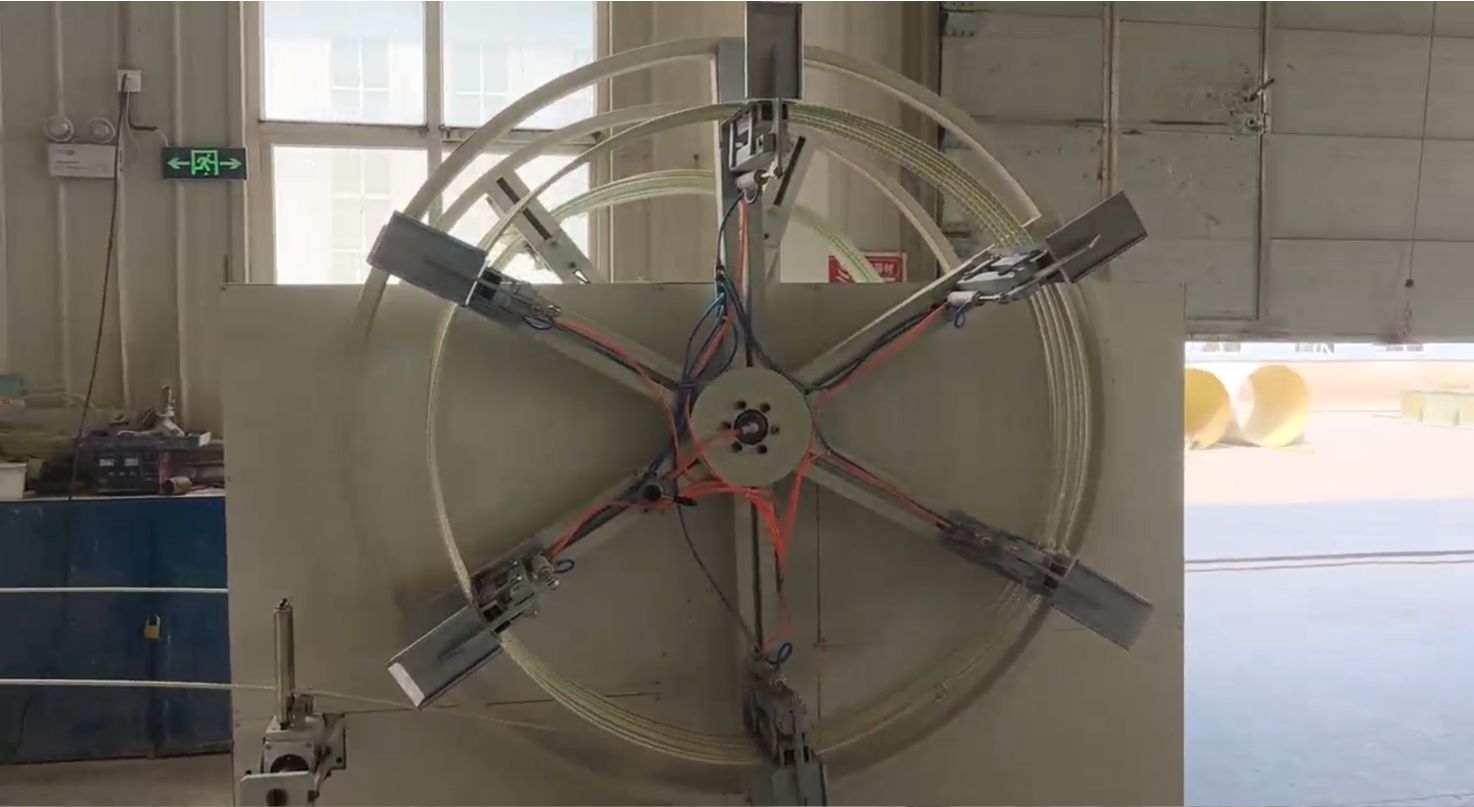
Servo control systems provide high-precision motion control for continuous pultrusion production.
traction (pulling) system
fiber tension regulation
automatic cutting system
synchronized resin feeding
✔ Precise pulling speed control
✔ Real-time load adjustment
✔ Stable fiber alignment
✔ Reduced diameter fluctuation
✔ Improved mechanical consistency
In FRP production, servo control = production stability
Even small speed fluctuations can cause:
resin separation
uneven curing
structural defects
Modern FRP rebar factories are evolving into intelligent production environments powered by data and automation.
PLC control systems
servo-driven equipment
sensor feedback loops
real-time monitoring systems
✔ Real-time production data tracking
✔ Automatic parameter adjustment
✔ Batch traceability management
✔ Intelligent alarm response
higher production stability
reduced human dependency
improved yield rate
better quality consistency
This is the foundation of intelligent FRP production systems.
Sensors enable closed-loop automation in FRP manufacturing.
tension sensors (fiber system)
temperature sensors (curing system)
viscosity sensors (resin system)
speed sensors (pulling system)
Sensors → PLC system → automatic adjustment → stable output
stable fiber wet-out
reduced dry spots
consistent mechanical performance
This closed-loop system ensures continuous stability in FRP rebar production lines.
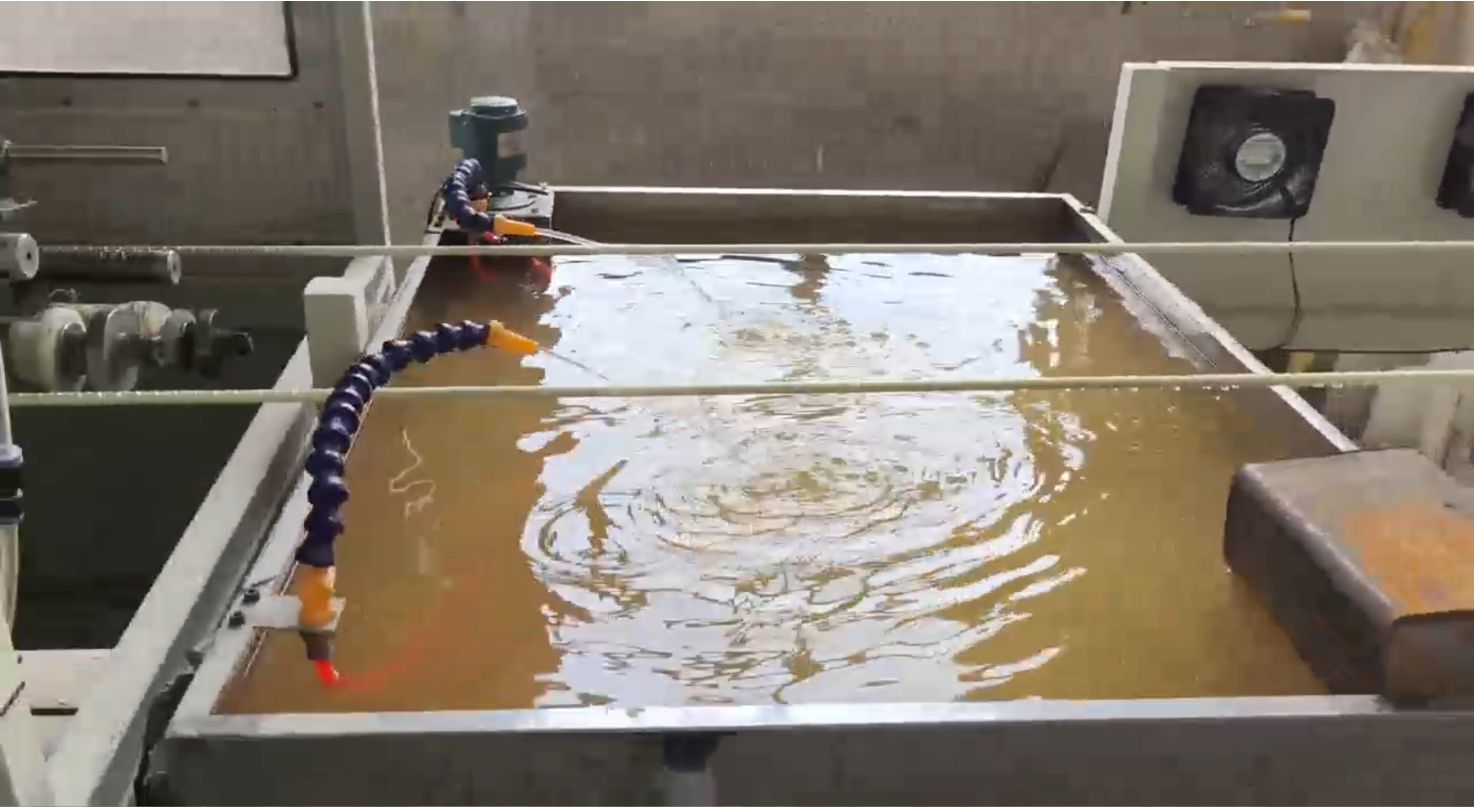
Resin quality directly determines FRP rebar performance.
automatic resin circulation
temperature stabilization
viscosity monitoring
controlled resin feeding
Poor resin control leads to:
dry fiber zones
weak bonding structure
inconsistent strength
Intelligent resin systems ensure uniform fiber impregnation in FRP manufacturing systems.
Curing is the most critical stage in FRP rebar production.
multi-zone heating design
PID temperature control
infrared monitoring
adaptive heating curves
uniform curing quality
improved tensile strength
reduced internal stress
stable dimensional accuracy
Curing quality directly defines final FRP rebar performance.
One of the biggest challenges in FRP manufacturing is system synchronization.
fiber feeding system
resin impregnation unit
pulling system
curing oven
cutting system
PLC centralized control
servo synchronization
sensor feedback correction
Result: stable continuous production with minimal downtime.
Modern FRP production lines use HMI touchscreen systems for centralized control.
production parameter setup
real-time monitoring
fault diagnosis
system operation control
easier operation
faster troubleshooting
reduced training cost
HMI simplifies control of complex FRP automation systems.
Advanced FRP factories now use predictive maintenance technologies.
vibration sensors
motor load analysis
temperature anomaly detection
AI fault prediction
reduced downtime
lower maintenance cost
longer equipment lifespan
improved production continuity
Predictive maintenance improves long-term ROI of FRP production lines.
The industry is moving toward fully digital smart factories.
AI-based process optimization
unmanned production lines
cloud-based monitoring systems
digital twin simulation
energy-efficient curing systems
Future FRP rebar manufacturing systems will be fully data-driven and self-optimizing.
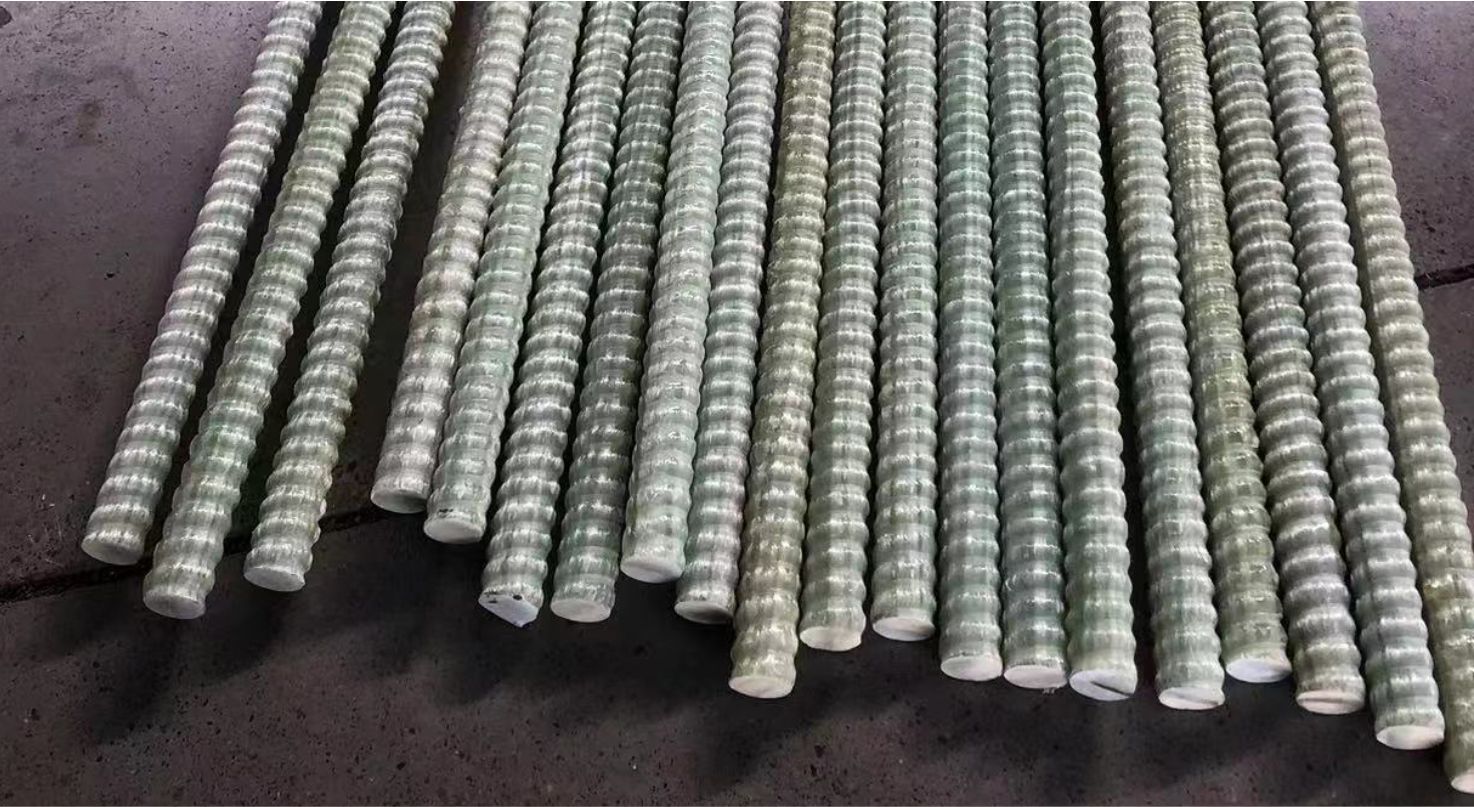
Advanced automation technologies are transforming FRP rebar manufacturing into a highly intelligent industrial system.
Core technologies include:
✔ PLC control systems
✔ servo control systems
✔ sensor-based feedback systems
✔ intelligent resin management
✔ multi-zone curing automation
✔ predictive maintenance systems
These technologies enable modern FRP rebar production lines to achieve:
higher stability
improved consistency
lower labor dependency
reduced material waste
stronger long-term ROI
In 2026 and beyond, the competitiveness of FRP manufacturers will depend on one key factor:
the level of automation integration in their FRP production systems.