


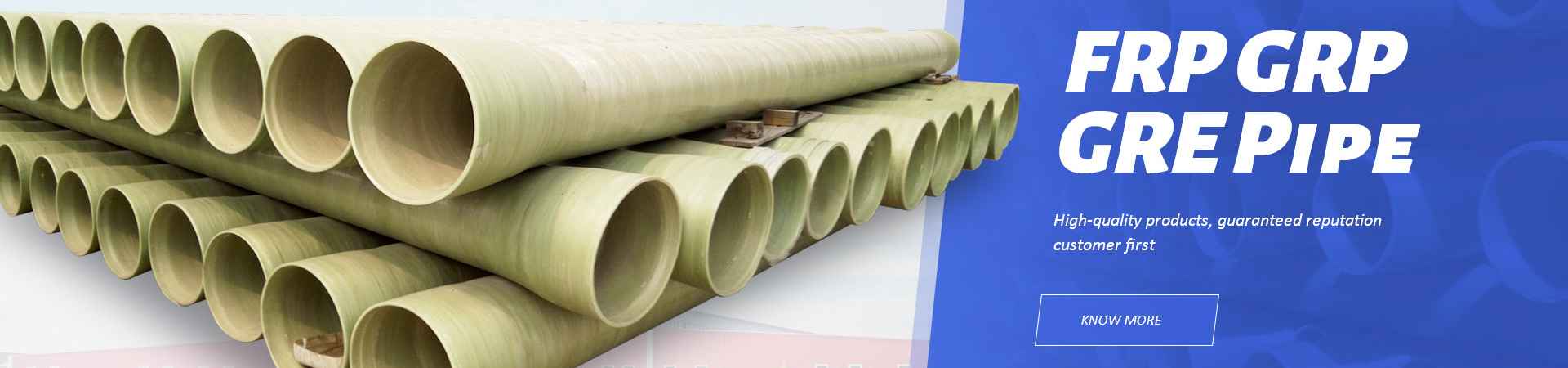
A fiberglass pipe production machine usually uses a method called filament winding. This is one of the most common and efficient techniques for producing FRP pipes.
Here’s the basic process:
1. Fiber Feeding
Fiberglass roving (continuous glass fiber strands) is fed from creels into the machine.
2. Resin Impregnation
The fibers pass through a resin bath, where they are coated with resin such as polyester, vinyl ester, or epoxy. The resin binds the fibers together and provides chemical resistance.
3. Filament Winding
The resin-coated fibers are wound around a rotating mandrel (a cylindrical mold). The machine controls the winding angle and fiber tension to ensure the pipe has the correct strength.
4. Layer Building
Multiple layers are wound onto the mandrel until the required pipe thickness is achieved.
5. Curing
The pipe is cured so the resin hardens and bonds the fibers into a solid composite structure.
6. Demolding and Finishing
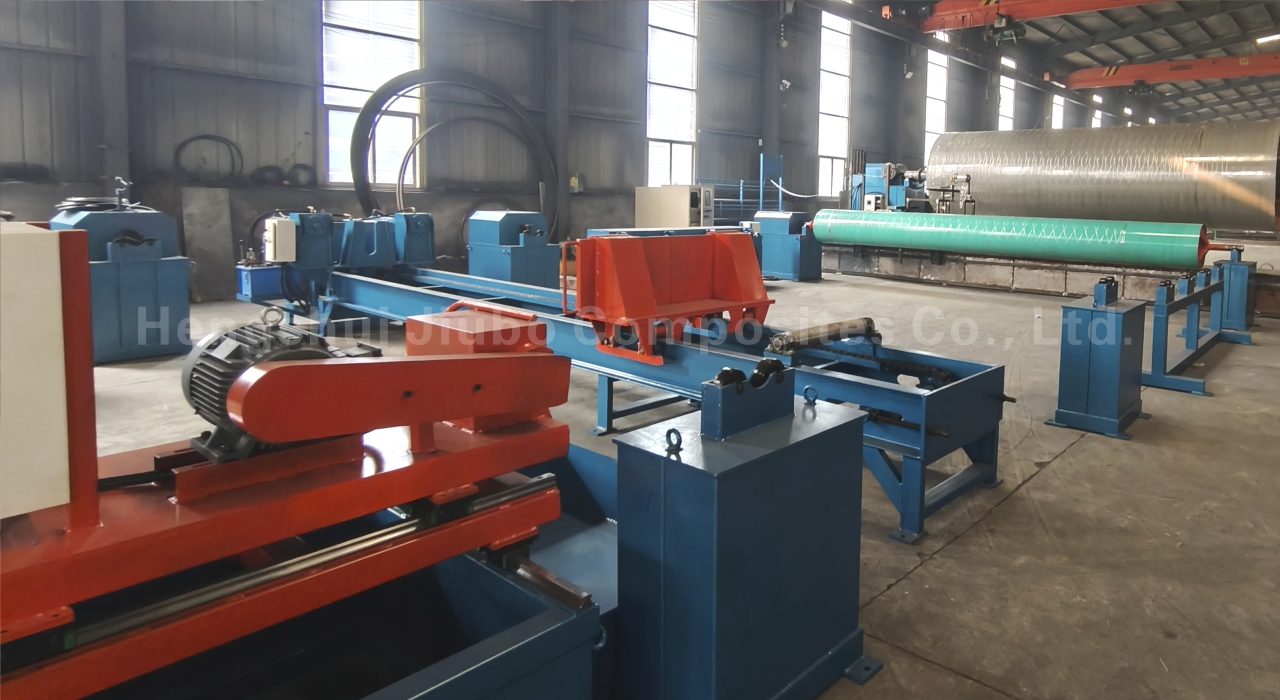
After curing, the finished pipe is removed from the mandrel and may go through trimming or inspection before use.
This automated process ensures consistent pipe quality and high production efficiency.
Main Components of a Fiberglass Pipe Production Machine
A typical fiberglass pipe production machine consists of several key parts:
Mandrel System
The mandrel determines the internal diameter of the pipe. It rotates while fibers are wound around it.
Fiber Feeding System
This system feeds fiberglass roving into the machine with controlled tension.
Resin Impregnation System
Fibers pass through a resin bath where they are fully saturated with resin.
Winding Carriage
The carriage moves along the mandrel and places fibers at precise angles to build the pipe structure.
Control System
Modern machines use PLC or CNC systems that allow operators to control parameters like winding speed, pipe diameter, wall thickness, and fiber tension.
Types of Fiberglass Pipe Production Machines
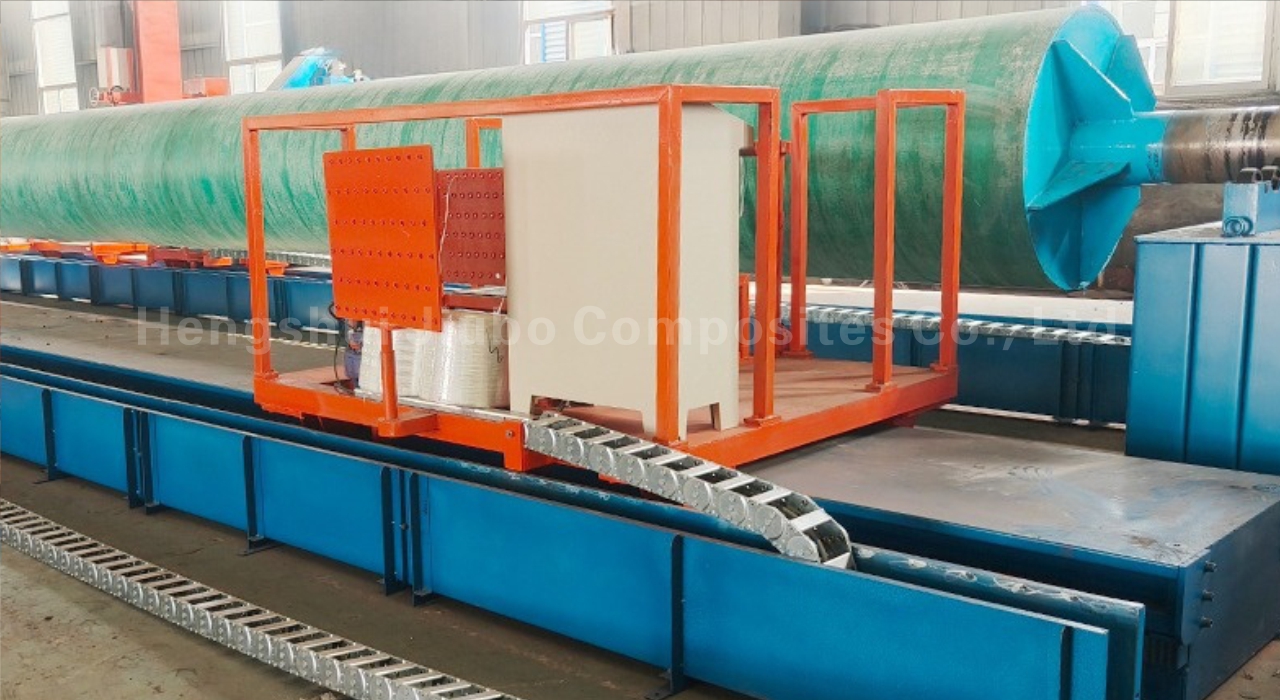
Depending on the production process and pipe requirements, there are several types of machines used in FRP pipe manufacturing.
Filament Winding Machines
These are the most common and produce high-strength pipes by winding resin-soaked fibers around a mandrel.
Continuous Filament Winding Machines
These machines produce pipes continuously along a moving mandrel system, allowing high production efficiency.
Centrifugal Casting Machines
In this method, fiberglass and resin are spun inside a rotating mold to form the pipe.
Among these options, filament winding machines are the most widely used for industrial FRP pipes.
Advantages of Using Fiberglass Pipe Production Machines
Using a fiberglass pipe production machine provides several advantages compared with traditional pipe manufacturing.
Corrosion Resistance
Fiberglass pipes do not rust like steel pipes, making them ideal for chemical and wastewater applications.
Lightweight Structure
FRP pipes are much lighter than concrete or metal pipes, which makes transportation and installation easier.
High Strength
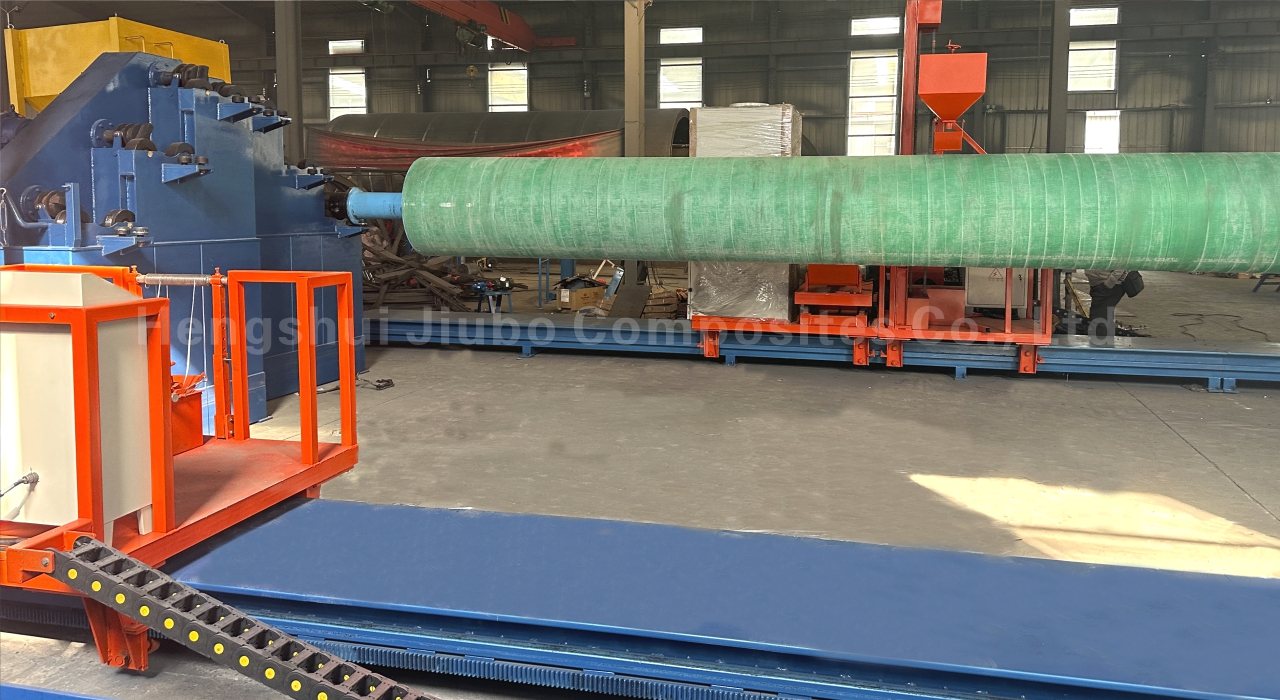
Properly wound fiberglass pipes can handle high internal pressure and mechanical loads.
Long Service Life
Many FRP pipes can last 30–50 years with minimal maintenance.
Production Efficiency
Automated machines allow manufacturers to produce pipes quickly with consistent quality.
Industries That Use Fiberglass Pipes
Fiberglass pipes manufactured by these machines are used in many industries.
Water Supply Systems
Municipal water pipelines often use FRP pipes because they resist corrosion and scale buildup.
Chemical Processing
FRP pipes can safely transport corrosive chemicals such as acids and alkalis.
Wastewater Treatment
These pipes are ideal for wastewater systems where corrosion resistance is essential.
Oil and Gas
Composite pipes are increasingly used in oil fields and offshore applications.
Agriculture
Large irrigation systems benefit from lightweight and durable FRP pipes.
Why Manufacturers Invest in Fiberglass Pipe Production Machines
For companies in the composite manufacturing industry, investing in a fiberglass pipe production machine can be a strategic decision.
These machines allow manufacturers to:
Increase production capacity
Improve product quality
Reduce labor costs
Expand into new markets
With the global demand for corrosion-resistant pipelines growing, many manufacturers are upgrading their equipment to stay competitive.
Final Thoughts
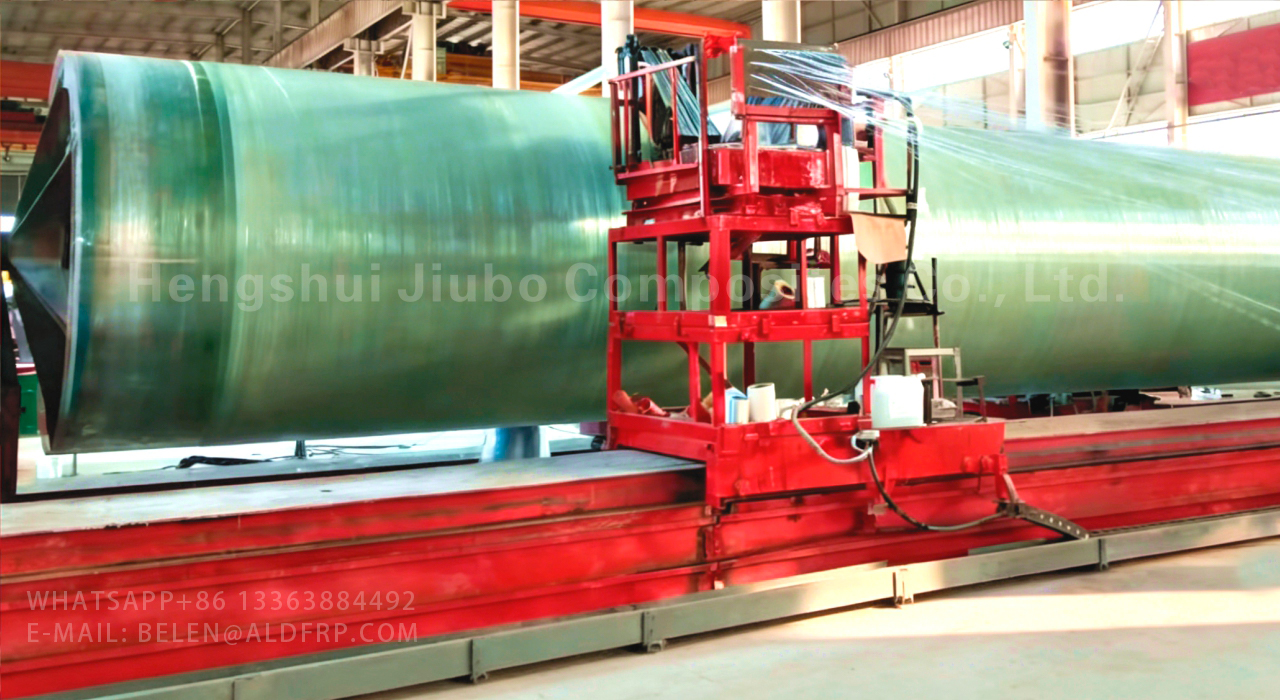
A fiberglass pipe production machine is the core equipment used to manufacture high-performance FRP pipes. By combining fiberglass fibers with resin and using automated winding technology, these machines produce pipes that are strong, lightweight, and highly resistant to corrosion.
From municipal infrastructure to chemical plants and agricultural irrigation systems, fiberglass pipes have become an important solution for modern pipeline projects.
For manufacturers looking to enter or expand in the composite pipe industry, investing in advanced fiberglass pipe production equipment can provide long-term efficiency, reliability, and market opportunities.