


In today’s industrial world, pipelines are everywhere. They transport water to cities, chemicals to factories, and irrigation to farms. But the material used for these pipes has changed a lot over the years. Traditional steel pipes are strong, but they rust easily. Concrete pipes are durable, but they are heavy and difficult to install.
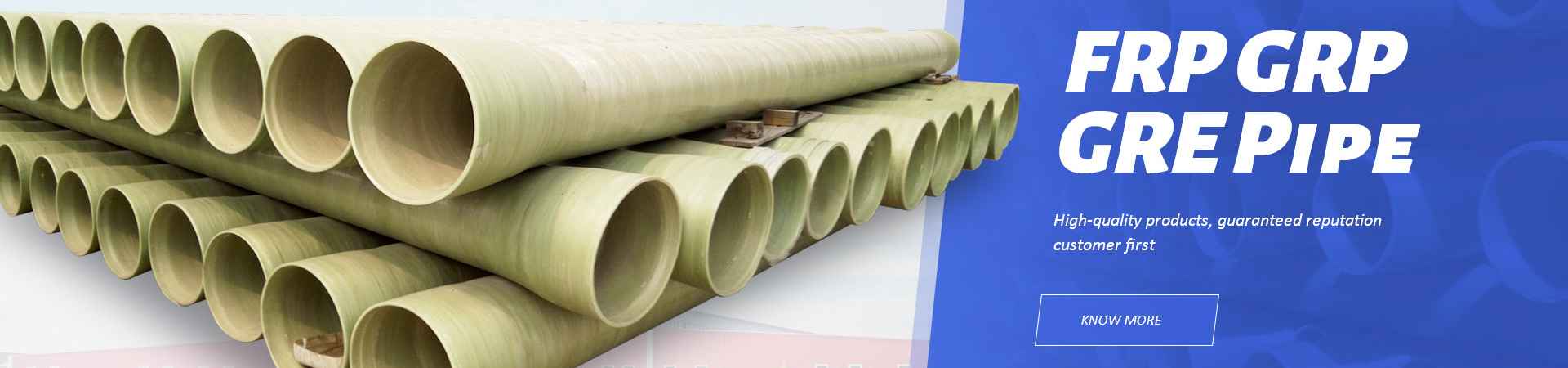
That’s why fiberglass reinforced plastic (FRP) pipes are becoming more popular in many industries. They are lightweight, corrosion-resistant, and extremely durable. Of course, producing these high-performance pipes requires the right equipment. One of the most important machines in this process is the FRP pipe filament winding making machine.
If you’re involved in pipe manufacturing or planning to enter the composite materials industry, understanding how this machine works can give you a big advantage. Let’s take a closer look at what it does and why it’s becoming a key investment for many manufacturers.
What Is a FRP Pipe Filament Winding Making Machine?
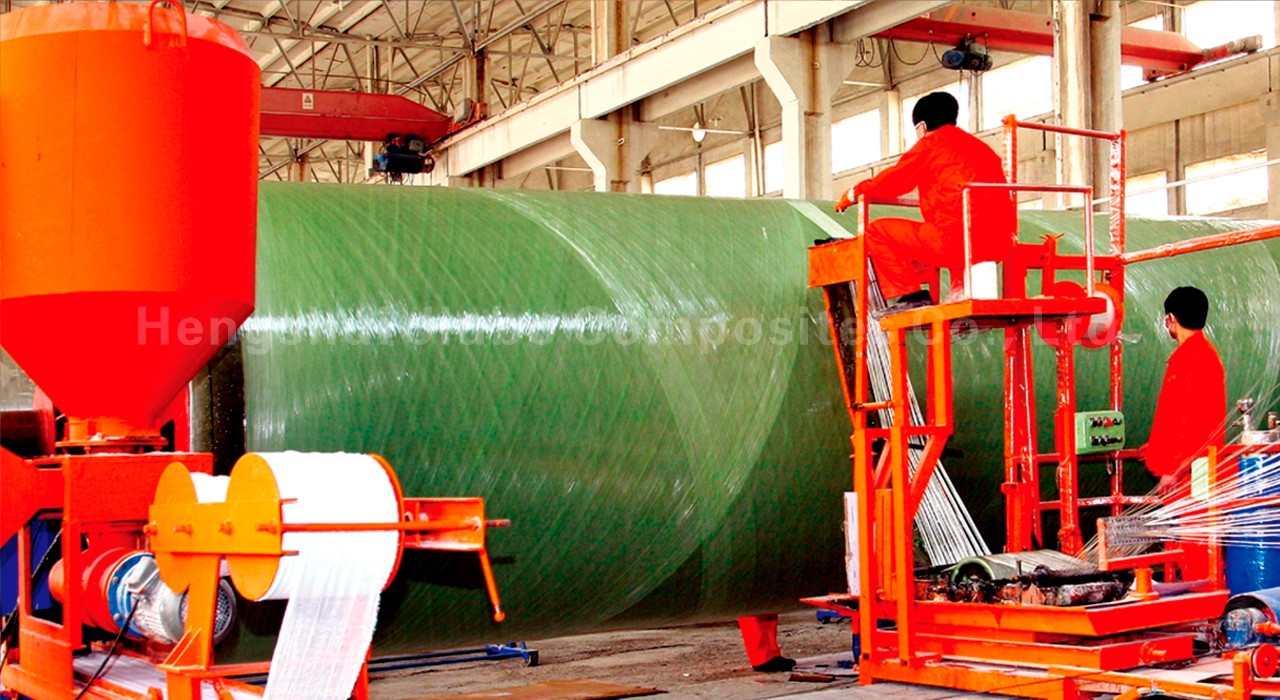
A FRP pipe filament winding making machine is specialized equipment designed to produce fiberglass reinforced plastic pipes through a controlled winding process. Instead of manually layering fiberglass and resin, the machine winds resin-soaked glass fibers onto a rotating mandrel to form a pipe.
Think of it as a highly precise automated system that builds pipe walls layer by layer. Each layer is placed at a specific angle to maximize strength and durability.
The general production process usually includes these steps:
Fiberglass roving is pulled from creels.
The fibers pass through a resin bath for impregnation.
Resin-coated fibers are wound onto a rotating steel mandrel.
Multiple layers are applied until the required thickness is reached.
The pipe is cured and removed from the mandrel.
With a well-designed FRP pipe filament winding making machine, the entire process becomes faster, more precise, and more reliable.
Why Filament Winding Technology Is So Effective
One reason the FRP pipe filament winding making machine is widely used is the unique advantages of the filament winding method. This technology allows manufacturers to control the internal structure of the pipe in ways that traditional methods cannot.
Controlled Fiber Placement
Fiberglass fibers are the main source of strength in FRP pipes. By controlling the angle and direction of the fibers, manufacturers can optimize the pipe for different performance requirements.
For example, fibers wound at a near-circular angle increase resistance to internal pressure, while helical winding improves longitudinal strength. A FRP pipe filament winding making machine allows these angles to be programmed precisely, ensuring consistent structural performance.
Uniform Wall Thickness
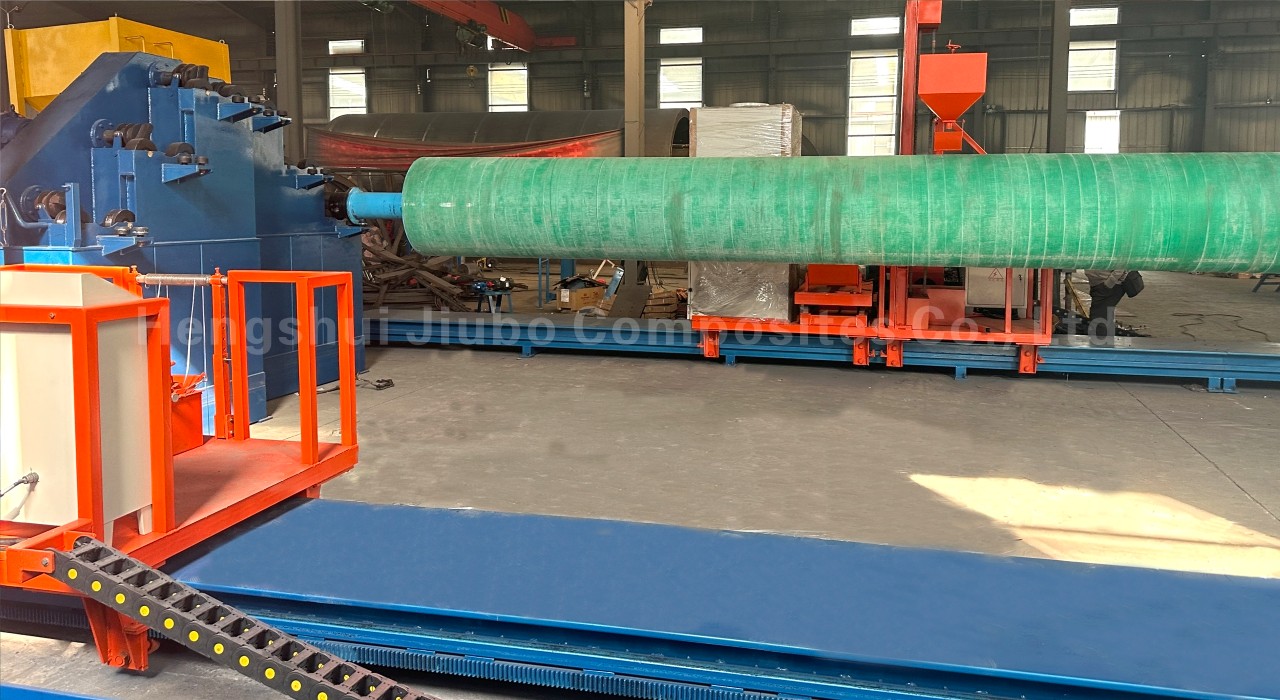
Another key advantage of automated winding equipment is consistency. In manual production processes, it’s easy for thickness to vary from one section of the pipe to another. This can lead to weak points and reduced durability.
With a FRP pipe filament winding making machine, each layer is applied evenly and precisely. The result is a pipe with uniform wall thickness and reliable strength throughout its entire length.
Faster Production and Higher Output
Efficiency is critical in modern manufacturing. Automated equipment allows factories to increase output while maintaining quality standards.
Once the parameters are set, a FRP pipe filament winding making machine can operate continuously with minimal operator supervision. This means manufacturers can produce more pipes in less time, helping them meet growing market demand.
Main Components of the Machine
To understand how this equipment works, it’s helpful to look at its main components.
Mandrel System
The mandrel acts as the mold for the pipe. It rotates while fibers are wound around it, forming the pipe wall. The diameter of the mandrel determines the internal diameter of the finished pipe.
Resin Impregnation Unit
Before winding, fiberglass fibers pass through a resin bath. This ensures the fibers are evenly coated with resin, which binds them together after curing.
Winding Carriage
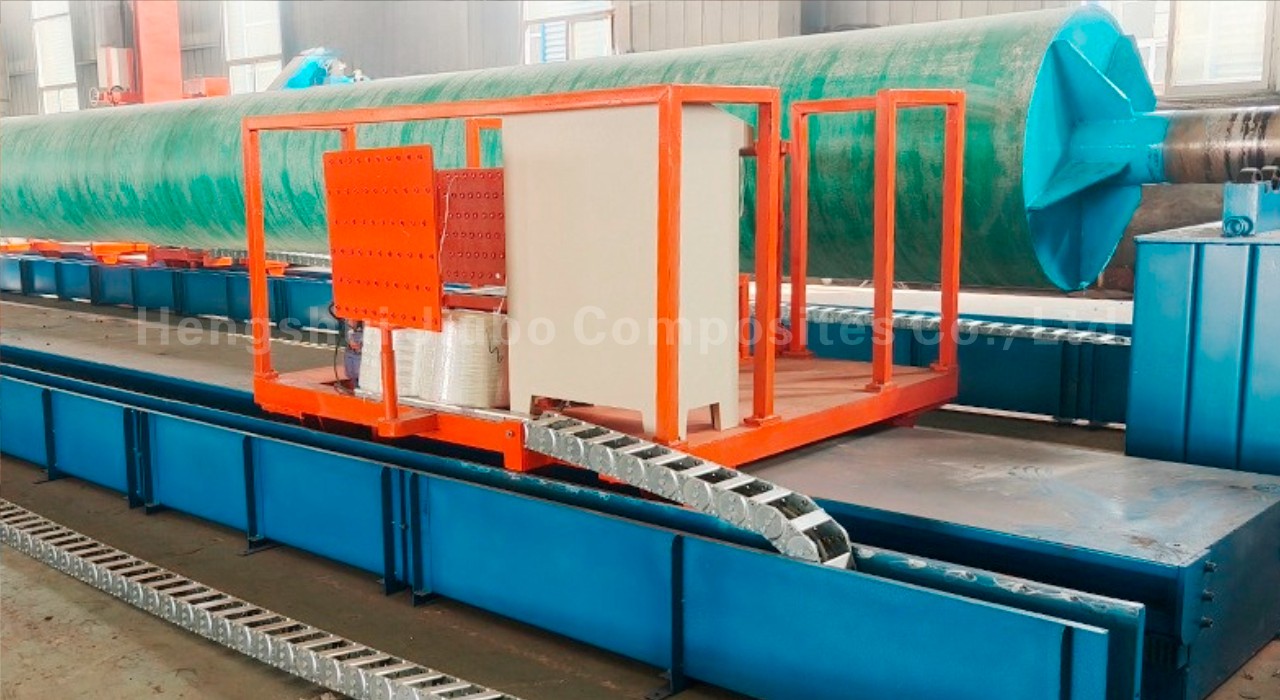
The winding carriage moves back and forth along the mandrel. It places fibers at specific angles according to the programmed winding pattern.
Control System
Modern machines use PLC or CNC control systems. These systems allow operators to set parameters such as pipe diameter, wall thickness, winding speed, and fiber tension.
Because of this automation, a FRP pipe filament winding making machine can produce pipes with very high accuracy and repeatability.
Industries That Benefit from FRP Pipes
Pipes produced using filament winding technology are widely used across many industries.
Municipal Water Infrastructure
Cities and towns rely on large pipeline systems to deliver drinking water and manage wastewater. FRP pipes are ideal for these applications because they resist corrosion and require minimal maintenance.
Chemical Processing Plants
Chemical facilities often transport aggressive substances such as acids or alkalis. Pipes manufactured using a FRP pipe filament winding making machine offer excellent chemical resistance, making them suitable for these environments.
Agricultural Irrigation
Large irrigation networks need pipes that are both lightweight and durable. FRP pipes are easy to transport and install, making them a practical choice for agricultural projects.
Industrial Wastewater Treatment
Wastewater treatment plants operate in highly corrosive environments. FRP pipes can withstand these conditions and provide long service life.
Customization Possibilities
Another advantage of a FRP pipe filament winding making machine is its flexibility. Manufacturers can adjust production parameters to create pipes that meet different industry requirements.
For example, pipes can be produced with:
Different diameters ranging from small pipelines to large industrial pipes
Various wall thickness levels depending on pressure requirements
Different resin types such as polyester, vinyl ester, or epoxy
Additional reinforcement layers or sand cores for added stiffness
This flexibility allows manufacturers to serve a wide variety of markets with a single production line.
Automation Brings Consistency
Automation plays a major role in improving manufacturing reliability. A modern FRP pipe filament winding making machine can include advanced features such as:
Automatic fiber tension control
Programmable winding patterns
Real-time monitoring of production parameters
Stable resin distribution
These features help reduce operator error and ensure consistent product quality from batch to batch.
Economic Advantages for Manufacturers
From a business perspective, investing in advanced production equipment can significantly improve profitability.
Although the initial purchase of a FRP pipe filament winding making machine requires capital, the long-term benefits are substantial. Manufacturers can reduce labor costs, minimize material waste, and increase production efficiency.
Additionally, producing high-quality pipes helps companies build a strong reputation in the market, leading to more project opportunities.
Example of a Typical Production Scenario
Imagine a manufacturer producing large-diameter pipes for a municipal water project.
Using a FRP pipe filament winding making machine, the operator first enters the required pipe specifications into the control system. The machine then feeds fiberglass fibers through the resin bath and begins winding them around the rotating mandrel.
Layer by layer, the pipe structure is built until the desired thickness is achieved. After curing, the pipe is removed from the mandrel and prepared for inspection.
Because the process is automated, each pipe produced meets the same quality standards.
Choosing the Right Equipment Supplier
Selecting the right supplier is just as important as choosing the right machine.
When purchasing a FRP pipe filament winding making machine, manufacturers should consider factors such as:
Equipment reliability and engineering quality
Customization capabilities
Control system technology
Installation and training support
Long-term technical service
Working with an experienced equipment manufacturer ensures that the production line operates smoothly and efficiently.
Growing Global Demand for FRP Pipes
The demand for composite pipes continues to grow worldwide. Governments are investing in new infrastructure, industries are replacing aging pipelines, and environmental regulations are encouraging the use of corrosion-resistant materials.
With these trends, companies that invest in advanced production equipment such as the FRP pipe filament winding making machine are well positioned to capture new market opportunities.
Final Thoughts
As industries look for stronger, lighter, and more corrosion-resistant pipeline solutions, FRP pipes are becoming an increasingly important choice. Producing these high-performance pipes requires advanced manufacturing technology.
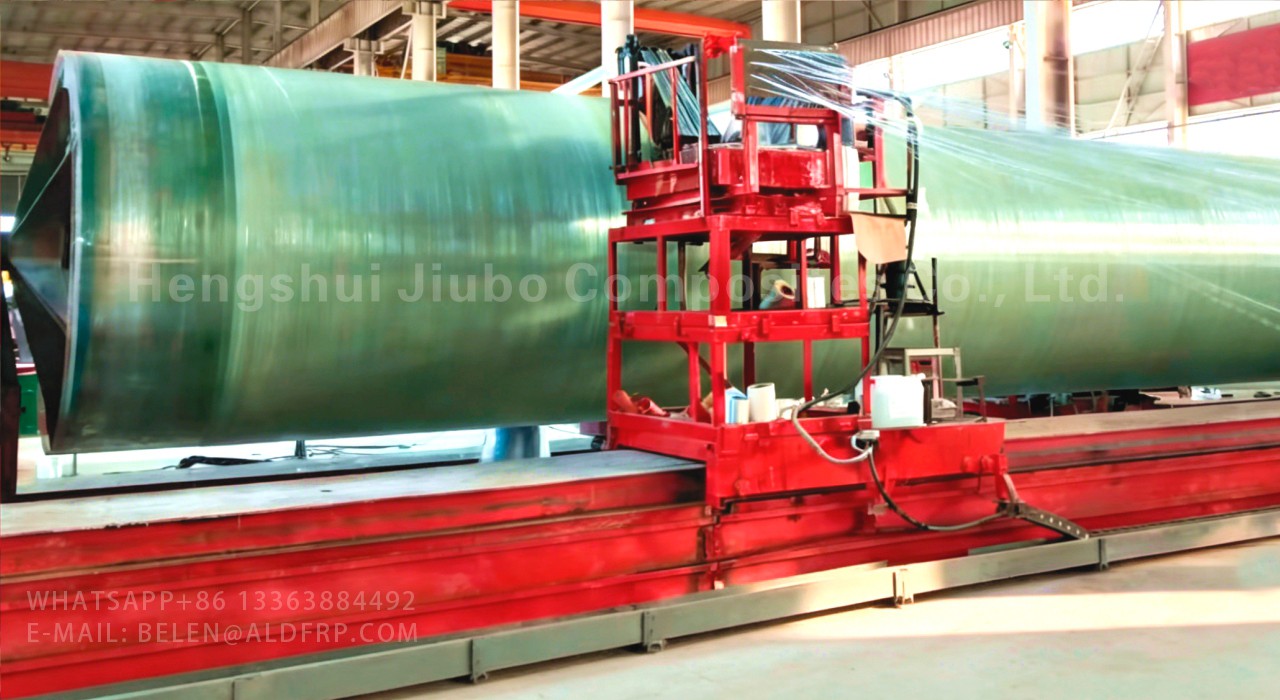
A reliable FRP pipe filament winding making machine allows manufacturers to produce durable composite pipes with precision, efficiency, and consistent quality. From water supply systems to chemical plants and agricultural irrigation networks, pipes produced with this technology serve a wide range of critical applications.
For companies aiming to expand their manufacturing capabilities and compete in the growing composite pipe market, investing in a modern FRP pipe filament winding making machine is not just an upgrade—it’s a strategic step toward long-term success.