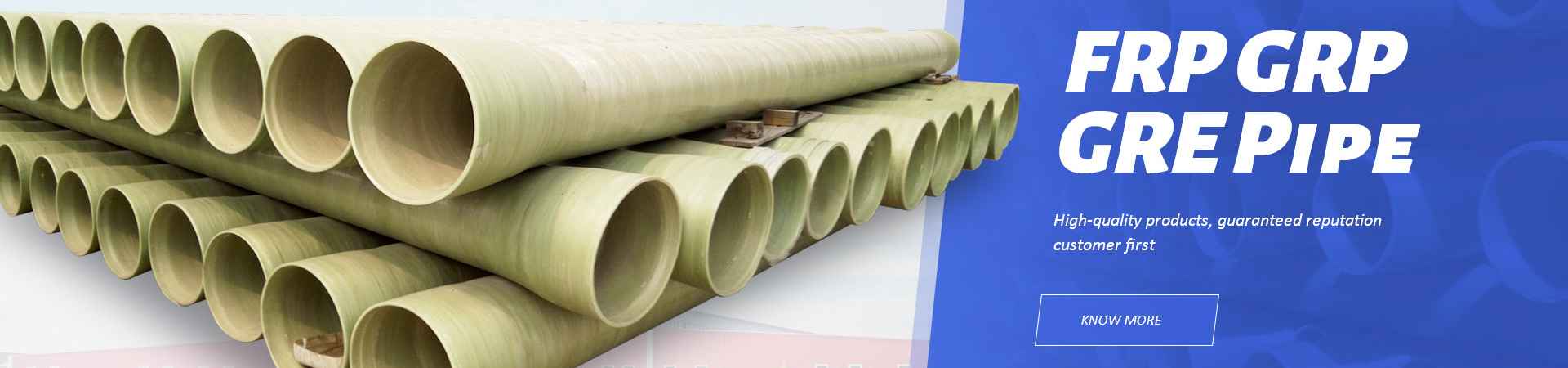

When it comes to storing liquids safely in industrial settings, the choice of storage tank is crucial. From chemical plants to water treatment facilities, industries need a solution that combines durability, chemical resistance, and long-term reliability. That’s why a fiberglass storage tank has become a go-to option for many businesses around the world. In this article, we’ll explore what makes fiberglass tanks unique, why they outperform traditional materials, and how you can choose the right tank for your specific application.
A fiberglass storage tank is a container made from fiberglass reinforced plastic (FRP), a composite material consisting of glass fibers embedded in a resin matrix. This combination provides two key advantages: structural strength from the fiberglass and corrosion resistance from the resin. Unlike metal tanks that are prone to rust or concrete tanks that can crack over time, FRP tanks maintain integrity even in aggressive chemical environments.
Fiberglass tanks are used for storing a wide range of substances, including:
Industrial chemicals and acids
Water and wastewater
Liquid fertilizers
Food-grade liquids
Oils and solvents
One of the reasons these tanks are so popular is that their design can be customized to fit a facility’s specific needs, from volume and shape to resin selection for chemical compatibility.
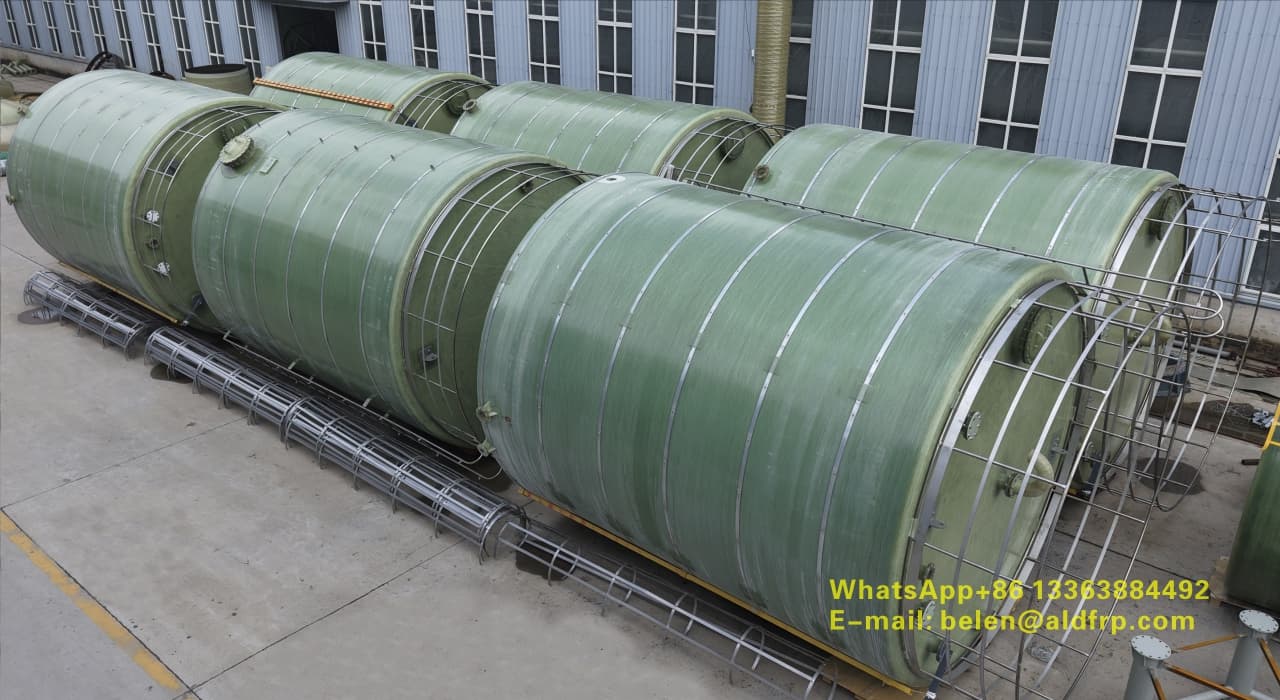
Investing in a fiberglass storage tank comes with several compelling benefits over traditional steel or concrete tanks.
Traditional steel tanks are vulnerable to rust and chemical corrosion. Over time, this can compromise the tank’s structure and lead to costly repairs or replacements. Fiberglass tanks, however, naturally resist corrosion. The resin layer forms a protective barrier against acids, alkalis, and other aggressive chemicals, making them ideal for chemical plants, wastewater treatment, and fertilizer production.
FRP tanks are significantly lighter than steel or concrete tanks. This makes transportation and installation easier and often more cost-effective. For example, large steel tanks require heavy machinery for installation, while fiberglass tanks can often be moved and installed with standard cranes or even forklifts in some cases.
With proper maintenance, a fiberglass storage tank can last 20 to 30 years or more. They are less prone to cracking, rusting, or chemical degradation, which makes them a reliable investment for long-term industrial projects.
Maintenance is a major cost factor in industrial operations. Unlike steel tanks, which need periodic painting, lining, or corrosion protection, fiberglass tanks require minimal upkeep. Simple periodic inspections and cleaning are usually sufficient, which reduces operational costs over the tank’s lifecycle.
Every industrial facility has unique storage needs. Fiberglass tanks can be customized for:
Tank diameter and height
Wall thickness
Chemical-resistant resin types
Custom nozzles and flanges
This flexibility ensures that the tank will not only fit in the physical space but also handle the specific chemicals or liquids your facility uses.
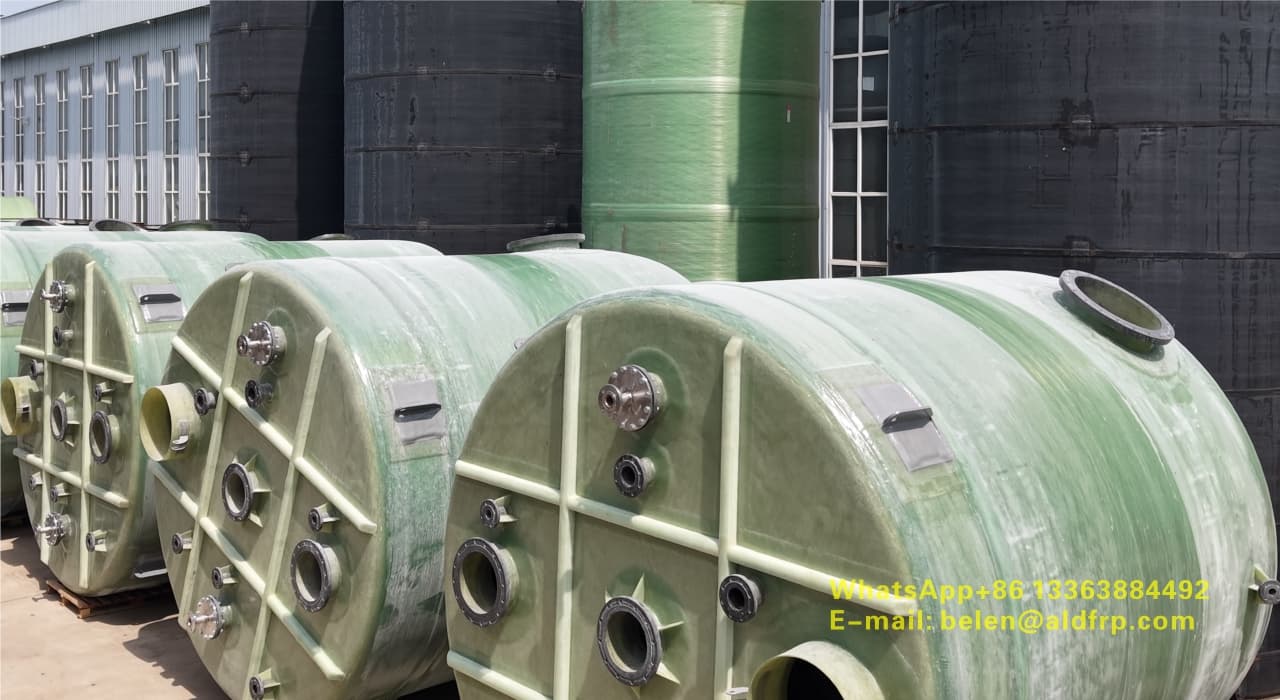
Understanding how a fiberglass storage tank is manufactured can help you appreciate why it is so durable and reliable.
The most common method for making industrial FRP tanks is filament winding. In this process, fiberglass fibers coated with resin are wound around a rotating mold. The fibers are placed at specific angles to provide optimal structural strength and pressure resistance. Layer by layer, the tank wall is built to the desired thickness.
This process ensures:
Consistent wall thickness
High pressure tolerance
Structural stability
For small or highly customized tanks, manufacturers may use the hand lay-up method. Fiberglass mats are manually placed and impregnated with resin on a mold. While this method is labor-intensive, it allows for flexibility in shape and design.
After the layers are applied, the tank undergoes a curing process to harden the resin. Once cured, tanks are removed from molds and finished with components such as:
Nozzles
Inspection ports
Flanges
Support structures
High-quality manufacturers may also add an additional resin-rich liner for enhanced chemical resistance.
A fiberglass storage tank is versatile and finds applications in a wide range of industries.
Chemical plants store acids, alkalis, and solvents that can corrode metal tanks. Fiberglass tanks withstand these harsh environments without losing strength or integrity.
Municipal and industrial water treatment facilities often use FRP tanks to store water, treatment chemicals, and wastewater. Their corrosion resistance ensures long-term reliability.
Liquid fertilizers and agricultural chemicals are highly corrosive. FRP tanks prevent leakage and corrosion, ensuring safety and efficiency in storage.
Certain fiberglass tanks are designed to meet food-grade standards, making them suitable for storing water or other non-corrosive liquids used in food processing.
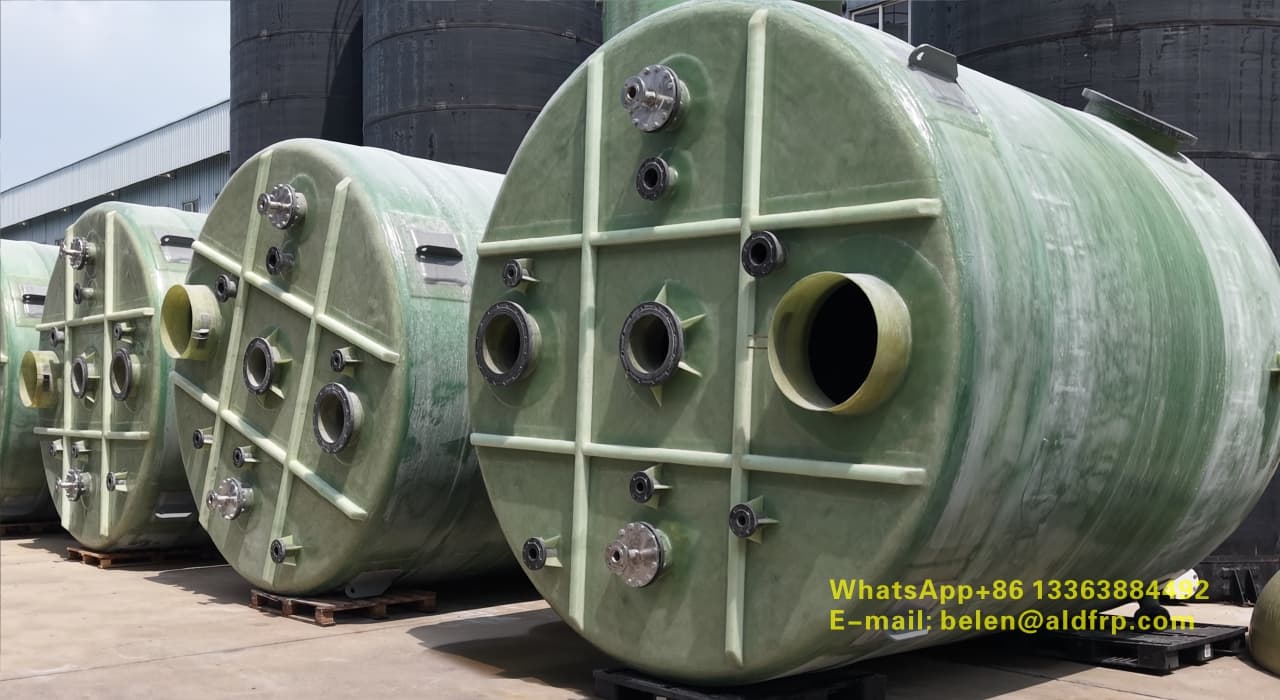
Selecting the right fiberglass storage tank requires consideration of several key factors:
Chemical Compatibility – Ensure the resin system matches the chemicals being stored. Vinyl ester resin is preferred for highly corrosive substances.
Tank Capacity – Determine the required storage volume to meet operational needs.
Installation Environment – Consider temperature variations, UV exposure, wind load, and seismic factors.
Quality Certifications – Look for ISO 9001, ASTM, or CE certifications to ensure reliability.
Customization Needs – Factor in dimensions, nozzles, and wall thickness for operational efficiency.
Professional FRP tank manufacturers follow recognized standards to ensure safety and reliability. Common guidelines include:
ASTM D3299: Filament-wound chemical storage tanks
ASTM D4097: Contact-molded FRP tanks
BS 4994: British standard for composite vessels
ASME RTP-1: Pressure-resistant composite equipment
Compliance with these standards guarantees that the tank meets structural and chemical performance requirements.
A fiberglass storage tank is a highly durable, corrosion-resistant, and low-maintenance solution for industrial liquid storage. Its lightweight design, customizable features, and long service life make it a preferred choice across chemical, water treatment, agricultural, and food-processing industries.
By selecting a tank designed to meet recognized standards and tailored to your specific operational needs, you can ensure safety, efficiency, and long-term cost savings. Investing in a high-quality fiberglass storage tank is more than just choosing a container—it’s securing a reliable solution for your facility’s liquid handling requirements for decades to come.