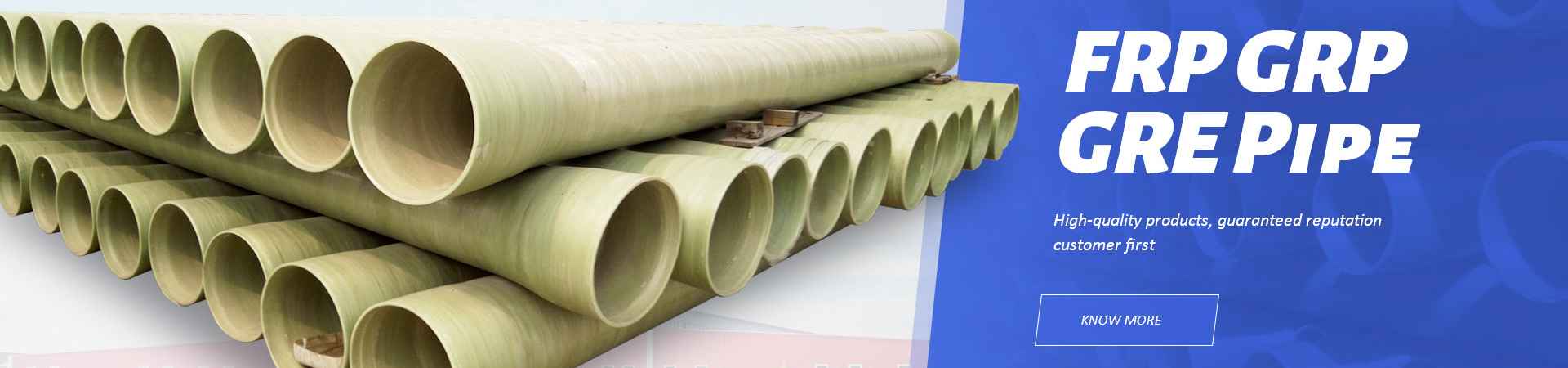

In industries where pipelines must handle water, chemicals, or wastewater, durability and reliability are essential. Traditional metal pipes often suffer from corrosion, heavy weight, and high maintenance costs. That’s why fiberglass reinforced plastic (FRP) pipes have become a popular alternative in many applications.
But producing these high-performance pipes requires specialized equipment. One of the most important machines used in this process is the fiberglass pipe winding machine.
If you’re new to composite manufacturing or considering investing in FRP pipe production equipment, this guide will explain what a fiberglass pipe winding machine is, how it works, and why it plays such a crucial role in modern manufacturing.
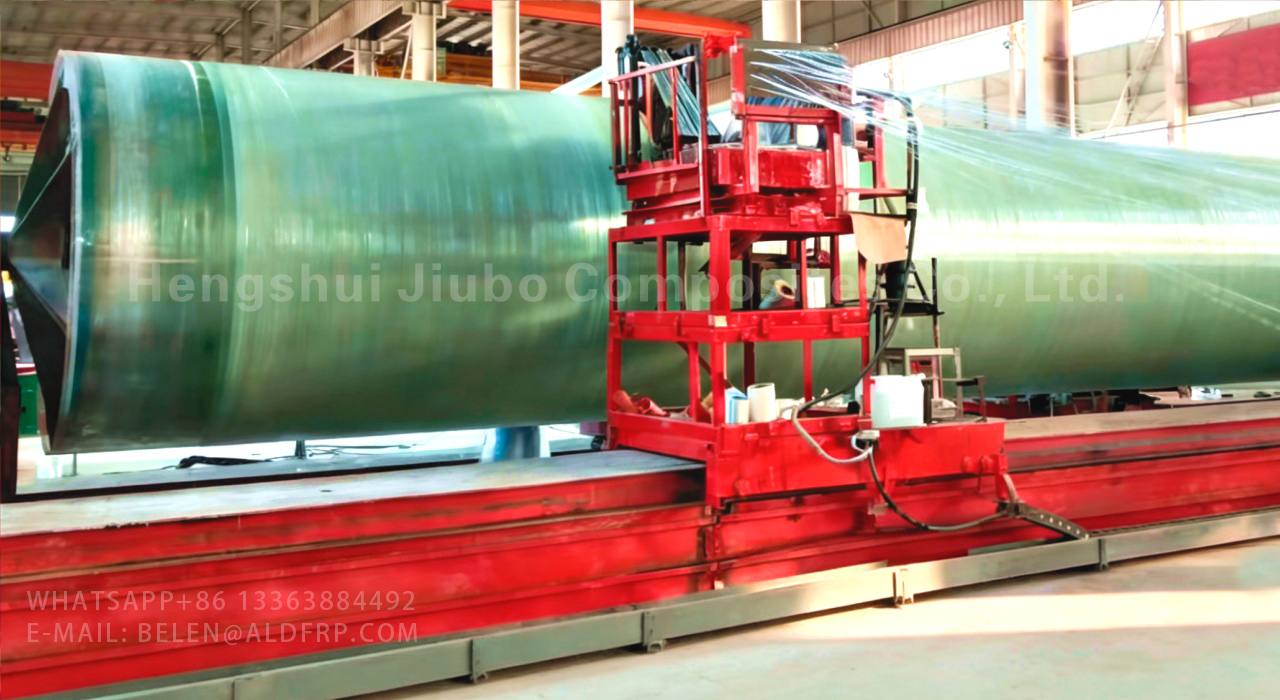
A fiberglass pipe winding machine is industrial equipment designed to manufacture fiberglass reinforced plastic pipes using a process known as filament winding.
Instead of manually applying fiberglass layers, the machine automatically winds resin-soaked glass fibers around a rotating mold called a mandrel. By controlling the angle and placement of the fibers, the machine builds a strong composite structure layer by layer.
This automated process ensures that the finished pipe has consistent strength, uniform wall thickness, and excellent durability.
Fiberglass pipe winding machines are commonly used in factories that produce pipes for:
Municipal water systems
Chemical transportation pipelines
Wastewater treatment plants
Industrial cooling systems
Agricultural irrigation networks
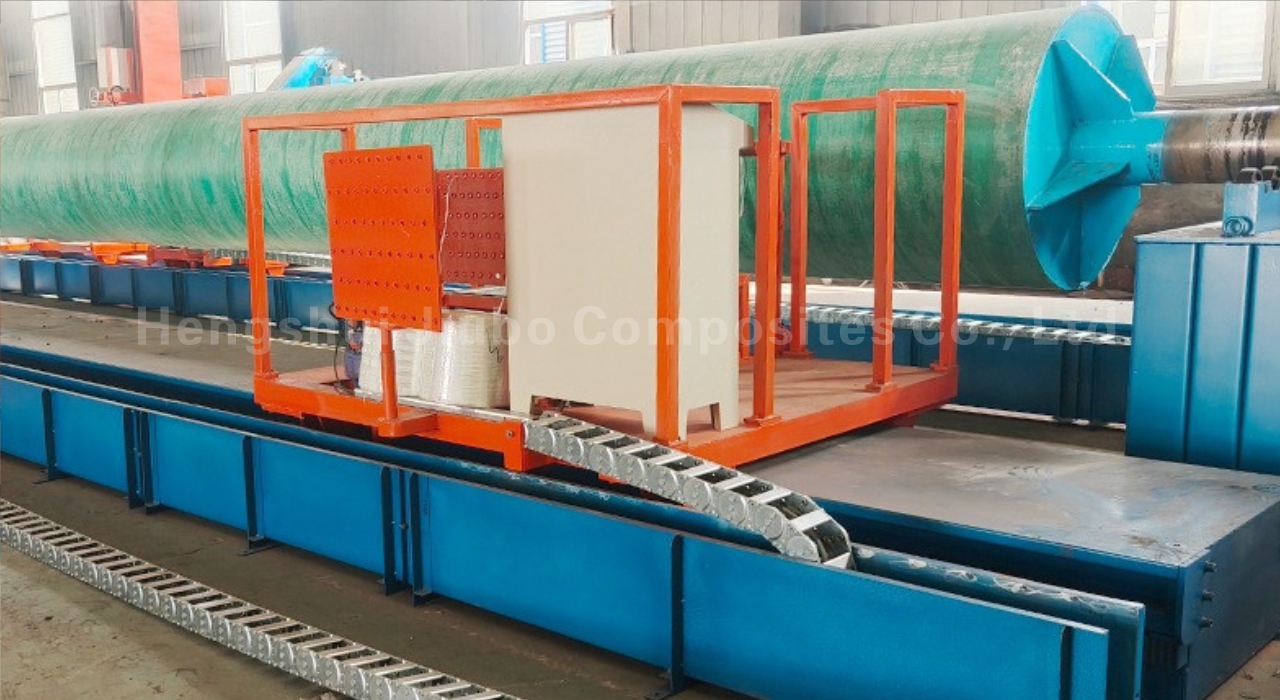
To understand the importance of this equipment, it helps to look at how the production process actually works.
Although different machines may vary slightly in design, the general operating principle is similar.
The process begins with fiberglass roving, which consists of continuous strands of glass fibers. These fibers are stored on large spools and fed into the machine.
The machine carefully controls the tension of the fibers to ensure consistent placement during winding.
Before the fibers are wound onto the pipe mold, they must be coated with resin.
The fibers pass through a resin bath where they are fully saturated. The resin acts as a binding material that holds the fibers together once the pipe cures.
Common resin types include:
Polyester resin
Vinyl ester resin
Epoxy resin
Each type provides different properties such as chemical resistance or temperature stability.
At the center of the machine is a rotating mandrel. This cylindrical mold determines the internal diameter of the pipe.
As the mandrel rotates, the resin-coated fibers are wound around it according to programmed patterns.
The rotation speed and winding angle are carefully controlled to ensure proper fiber placement.
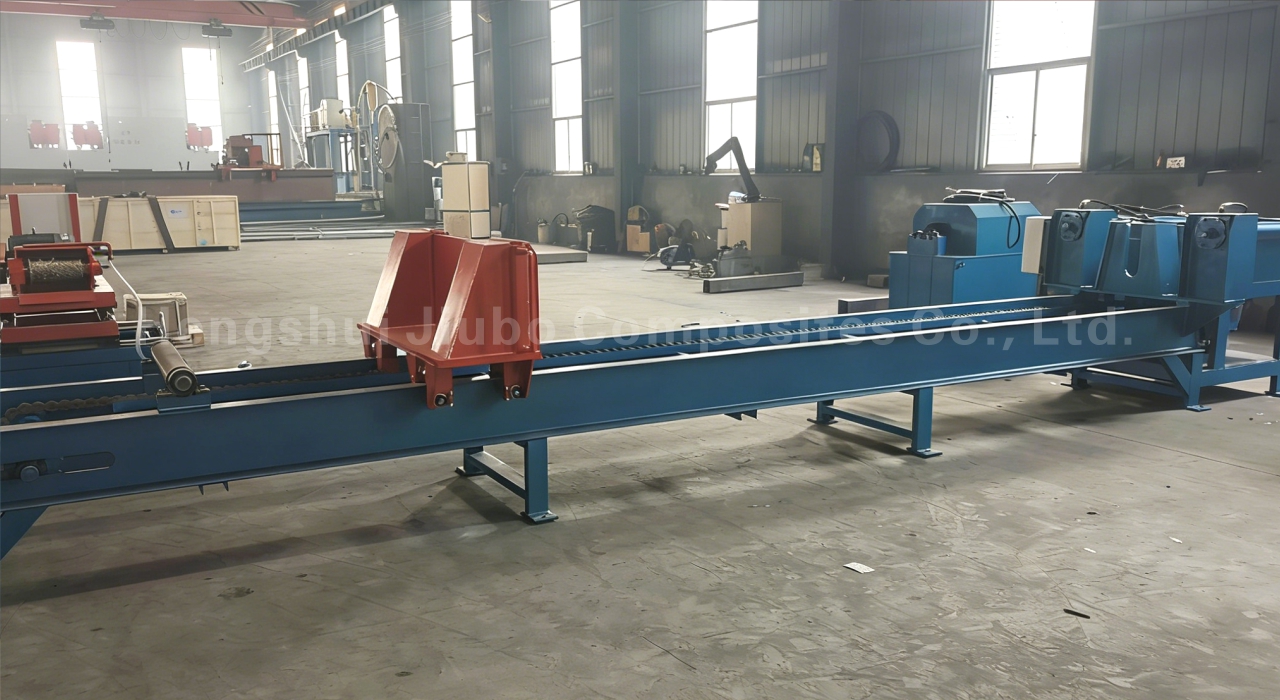
This stage is the core function of the fiberglass pipe winding machine.
The winding carriage moves along the length of the mandrel while placing fibers at precise angles. By adjusting these angles, manufacturers can control the structural properties of the pipe.
Two common winding patterns are used:
Fibers are wrapped around the pipe in a circular pattern. This improves the pipe’s ability to withstand internal pressure.
Fibers are placed diagonally along the pipe. This increases the pipe’s resistance to axial stress and bending.
By combining these patterns, the machine creates a balanced structure that offers both strength and flexibility.
The pipe wall is built by applying multiple layers of fiberglass and resin.
Each layer adds thickness and strength to the pipe. The number of layers depends on factors such as:
Pipe diameter
Pressure rating
Application requirements
Many large-diameter pipes also include a sand-filled layer between fiberglass layers to improve stiffness and reduce material cost.
After the winding process is complete, the pipe must undergo curing.
During curing, the resin hardens and forms a rigid composite material that locks the fiberglass fibers into place.
Curing can occur in several ways:
Natural room-temperature curing
Oven curing
Infrared heating systems
Proper curing is essential to ensure the pipe achieves its full strength and durability.
Once the curing process is complete, the finished pipe is removed from the mandrel.
This step is known as demolding.
Special release agents applied to the mandrel before production help ensure the pipe can be removed smoothly without damaging its internal surface.
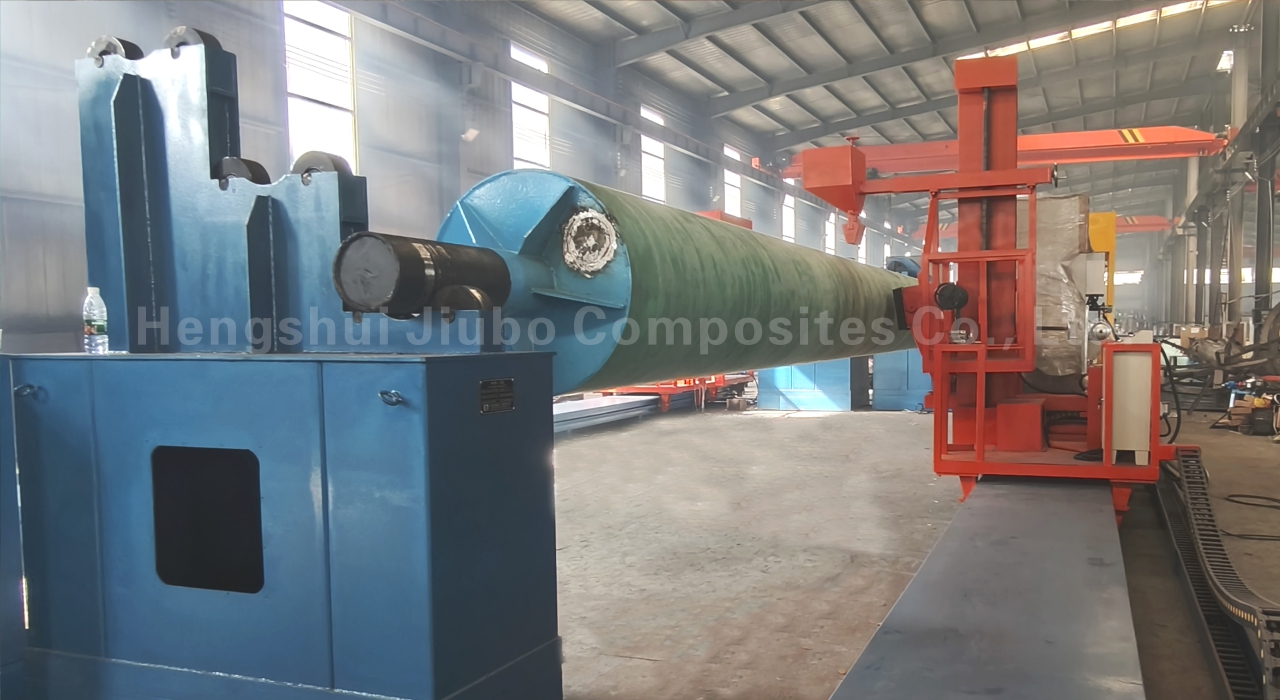
A modern fiberglass pipe winding machine consists of several important systems working together.
The mandrel serves as the mold for the pipe and determines its internal diameter. It rotates continuously during the winding process.
This system delivers fiberglass rovings into the machine while maintaining proper tension.
The resin bath ensures fibers are fully saturated before winding.
The carriage moves along the mandrel and places fibers at precise angles according to the programmed pattern.
Most modern machines use PLC or CNC control systems that allow operators to adjust production parameters such as:
Pipe diameter
Winding angle
Fiber tension
Production speed
Automation ensures consistent product quality and efficient operation.
Using automated winding equipment offers several advantages over manual production methods.
Automated machines can produce pipes much faster than manual processes. This allows manufacturers to increase production capacity.
Computer-controlled winding ensures every pipe has uniform thickness and consistent strength.
Automation reduces the need for manual labor, lowering production costs.
Manufacturers can easily adjust machine settings to produce pipes with different diameters, thicknesses, and pressure ratings.
Pipes produced using fiberglass pipe winding machines are widely used across many industries.
FRP pipes are commonly used in municipal water supply systems due to their corrosion resistance and long service life.
These pipes can safely transport corrosive chemicals without degradation.
FRP pipes resist the harsh conditions found in sewage and wastewater systems.
Large irrigation systems benefit from lightweight FRP pipelines that are easy to install and maintain.
Global demand for corrosion-resistant pipelines continues to rise. Many industries are replacing traditional metal pipelines with composite materials.
As a result, manufacturers are increasingly investing in fiberglass pipe winding machines to improve production efficiency and meet growing market demand.
These machines allow companies to produce high-quality FRP pipes at scale while maintaining strict quality standards.
A fiberglass pipe winding machine is one of the most important pieces of equipment in the FRP pipe manufacturing industry. By automating the filament winding process, it allows manufacturers to produce strong, lightweight, and corrosion-resistant pipes with consistent quality.
From municipal water systems to chemical processing plants and agricultural irrigation networks, fiberglass pipes produced by these machines are used in countless applications around the world.
As industries continue to seek durable and cost-effective pipeline solutions, fiberglass pipe winding technology will remain a key part of modern manufacturing.