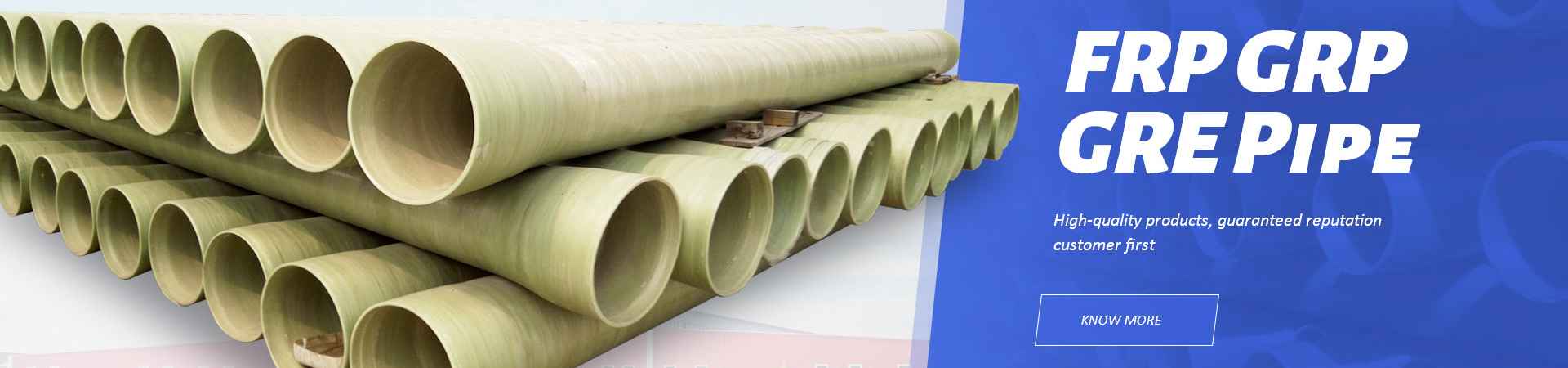

A FRP pipe production line is a complete manufacturing system designed to produce fiberglass reinforced plastic pipes efficiently and consistently. These pipes are widely used in industries such as water supply, wastewater treatment, chemical processing, power plants, and irrigation systems because of their corrosion resistance, lightweight structure, and long service life.
To manufacture FRP pipes, multiple machines work together in a coordinated process. Each piece of equipment performs a specific task, from forming the inner pipe layer to winding fiberglass fibers,curing the structure, and conducting final quality inspections.
In this guide, we will introduce the complete FRP pipe production line equipment list, explain the function of each machine, and help you understand how a modern FRP pipe factory operates.
A standard FRP pipe production line typically includes the following main equipment:
Inner liner making machine
Filament winding machine
Resin mixing and supply system
Sand or mortar feeding system
Curing system
Pipe demolding machine
Trimming machine
Repair and grinding machine
Hydrostatic pressure testing machine
Control system
These machines work together to produce high-quality FRP pipes with precise dimensions and reliable mechanical performance.
Let’s take a closer look at each piece of equipment.
The inner liner making machine is the first major piece of equipment in the production line. Its purpose is to create the inner corrosion-resistant layer of the pipe.
This layer is important because it directly contacts the fluid flowing inside the pipeline. A high-quality liner protects the pipe from corrosion, chemicals, and abrasion.
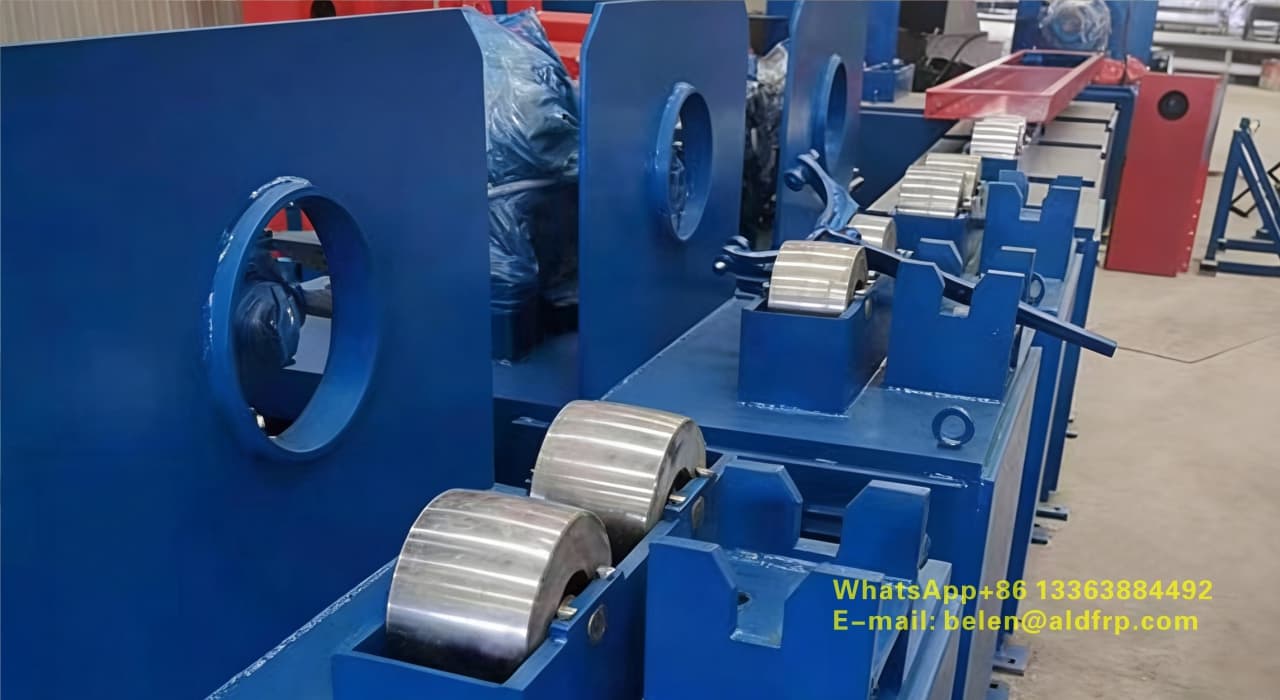
Produces a smooth internal pipe surface
Applies resin-rich fiberglass layers
Improves corrosion resistance
The liner usually consists of fiberglass surface mat combined with resin. Once this inner layer is formed, the pipe structure can be reinforced in the next stage.
The filament winding machine is the core equipment of the FRP pipe production line. It is responsible for forming the main structural layers of the pipe.
In this process, fiberglass rovings soaked with resin are wound around a rotating mandrel at controlled angles. The winding pattern determines the strength and pressure resistance of the pipe.
Automatic fiber winding
Adjustable winding angles
Precise wall thickness control
Computer-controlled operation
By carefully controlling fiber placement, the machine ensures that the pipe has high strength in both circumferential and axial directions.
Resin plays a critical role in FRP pipe production because it binds fiberglass fibers together and provides chemical resistance.
The resin mixing system prepares and delivers resin to the production equipment.
Resin storage tank
Metering pump
Mixing unit
Delivery pipelines
During production, the system mixes resin with curing agents and additives to achieve the required material properties.
Accurate resin ratios are essential for producing durable FRP pipes.
In many FRP pipe designs, especially for large-diameter pipes, manufacturers add a sand-filled layer between fiberglass layers.
This layer is applied using a sand feeding or mortar adding system integrated with the winding machine.
Improves pipe stiffness
Reduces production costs
Maintains structural strength
Pipes produced using this method are often referred to as FRPM pipes, which stands for fiberglass reinforced plastic mortar pipes.
After the pipe structure is fully wound, the resin must be hardened through a curing process.
The curing system provides controlled heating to solidify the composite material.
Infrared heating
Electric heating systems
Thermal curing ovens
During curing, the resin undergoes a chemical reaction that forms a rigid composite structure. This step is crucial for achieving the pipe’s final mechanical properties.
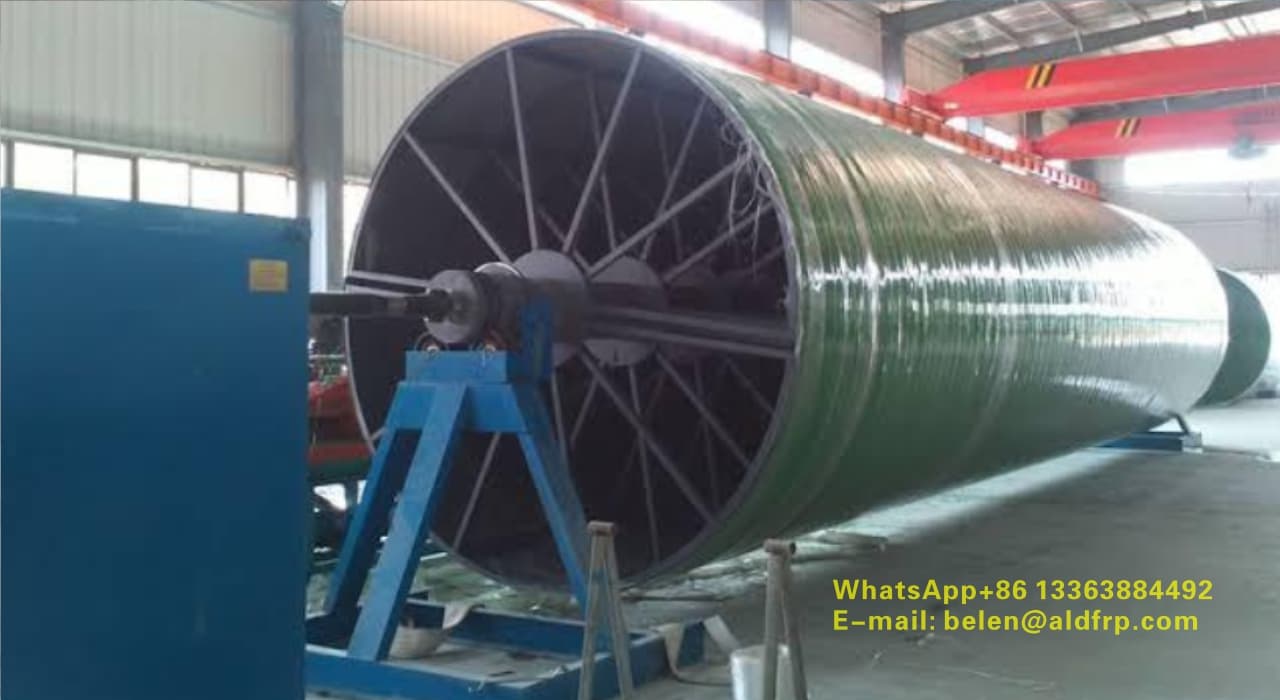
Once curing is complete, the pipe must be removed from the mandrel. This process is called demolding.
The pipe demolding machine uses hydraulic force to separate the finished pipe from the mold safely.
Remove pipe from mandrel
Protect pipe from deformation
Improve production efficiency
For large-diameter pipes, demolding equipment is essential because manual removal would be difficult and unsafe.
After demolding, the pipe ends are usually trimmed to achieve the correct length and smooth edges.
The pipe trimming machine performs this finishing operation.
Cutting pipes to required length
Smoothing pipe edges
Preparing pipe joints for connection
This step ensures the pipes meet installation requirements and engineering standards.
During manufacturing, small surface imperfections can sometimes occur. The repair and grinding machine is used to correct these defects.
Grinding uneven surfaces
Removing burrs or excess material
Repairing minor surface defects
This equipment helps ensure the final product meets quality requirements before testing and delivery.
Quality control is an essential part of FRP pipe manufacturing. Every pipe must be tested to confirm it can handle the required pressure.
The hydrostatic pressure testing machine performs this important inspection.
Verify internal pressure resistance
Detect leaks or defects
Confirm structural integrity
During testing, water pressure is applied inside the pipe to simulate real operating conditions.
Modern FRP pipe production lines are usually operated by a PLC or computer control system.
This system manages the entire production process and coordinates the operation of different machines.
Mandrel rotation speed
Winding angle
Fiber tension
Resin supply rate
Production speed
Automation helps improve production accuracy and ensures consistent product quality.
Besides the main production equipment, a complete FRP pipe manufacturing facility may also include additional supporting machines.
Holds multiple spools of fiberglass roving used during winding.
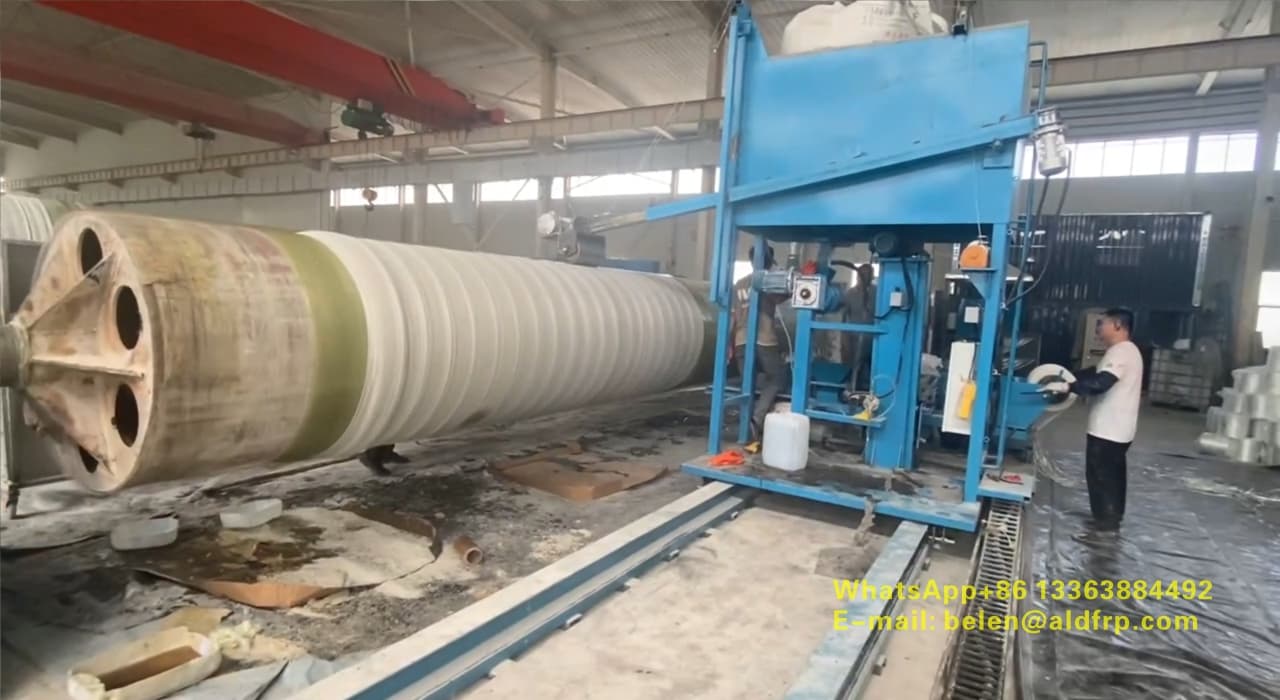
Determines the internal diameter of the pipe and supports the winding process.
Moves pipes between different production stages.
Collects dust generated during cutting and grinding operations.
A typical manufacturing process follows this sequence:
Resin preparation
Inner liner production
Filament winding
Sand or mortar layer application
Curing
Pipe demolding
Trimming and finishing
Surface repair
Pressure testing
Final inspection and packaging
Each step ensures the pipe meets strength, durability, and safety requirements.
Installing a full FRP pipe production line provides several important benefits for manufacturers.
Automated equipment allows continuous pipe production with minimal downtime.
Computer-controlled processes ensure uniform pipe thickness and strength.
Automation reduces reliance on manual production.
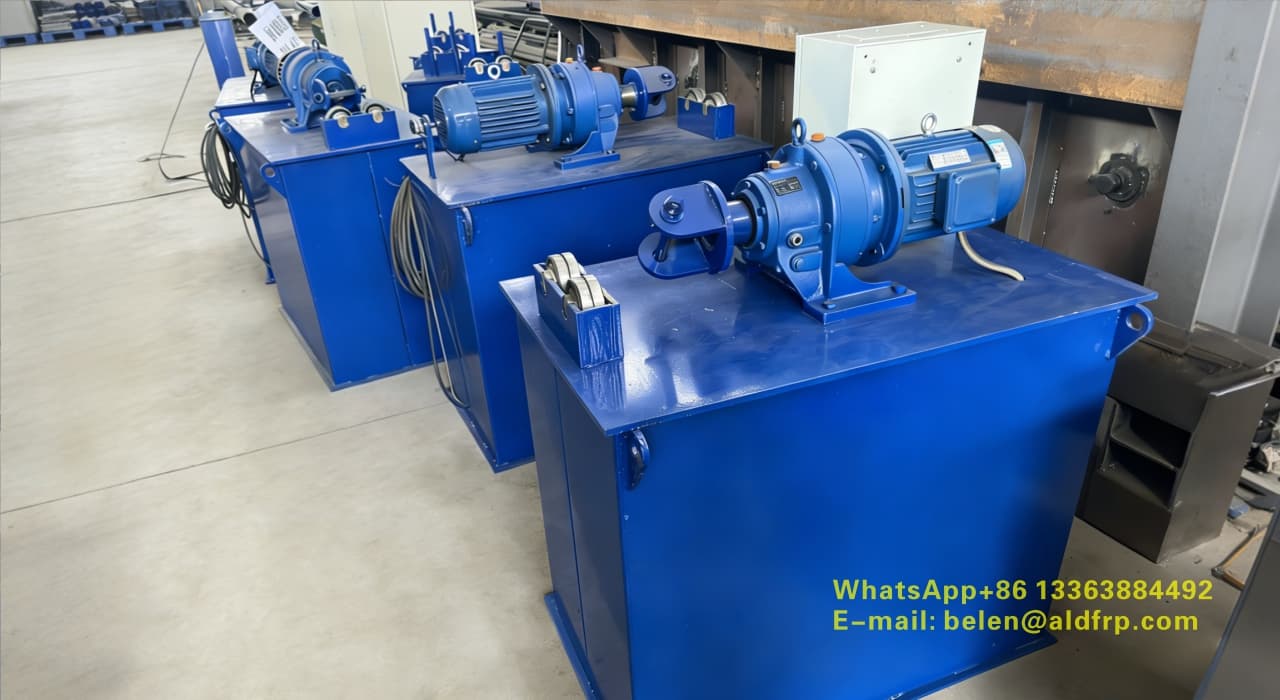
Production lines can produce pipes with different diameters, lengths, and pressure ratings.
A modern FRP pipe production line consists of multiple machines that work together to produce high-performance fiberglass pipes.
The main equipment typically includes:
Inner liner making machine
Filament winding machine
Resin mixing system
Sand or mortar feeding system
Curing system
Pipe demolding machine
Trimming machine
Repair and grinding machine
Hydrostatic pressure testing machine
Computer control system
By integrating these machines into an automated production process, manufacturers can produce strong, corrosion-resistant pipes that meet the growing demand in water, chemical, and industrial infrastructure projects.