


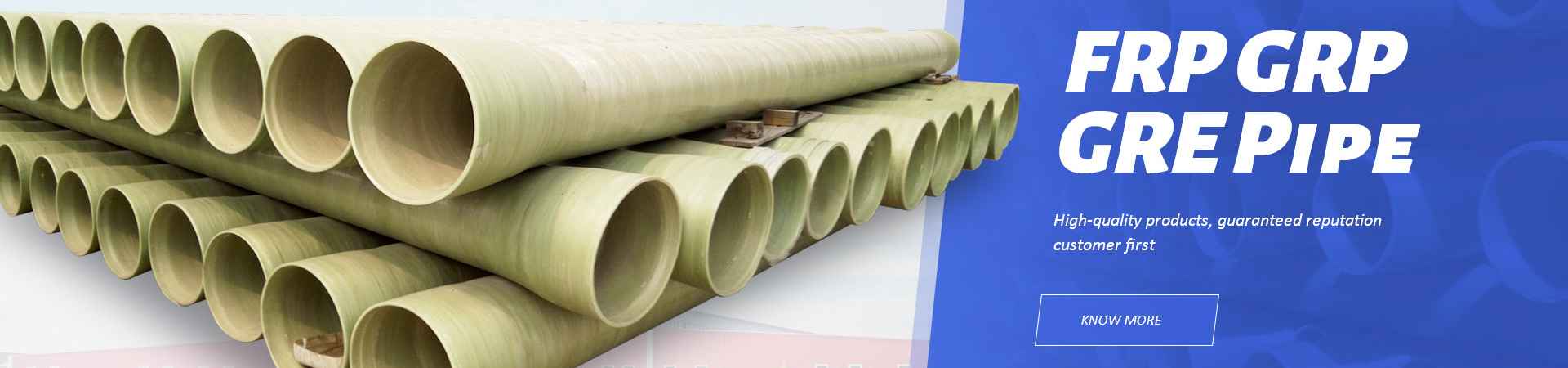
In modern industrial environments, storage tanks play a crucial role in handling chemicals, water, wastewater, and other liquids. Among the many types of tanks available today, fiberglass reinforced plastic (FRP) tanks have become increasingly popular because of their durability, corrosion resistance, and long service life. As a result, many companies around the world are searching for a reliable FRP storage tank manufacturer to supply high-quality tanks for their projects.
But choosing the right manufacturer is not always easy. With many suppliers offering similar products, buyers need to understand what makes a good FRP tank manufacturer and what factors influence product quality and performance.
In this article, we’ll explore what an FRP storage tank is, why it’s widely used in industry, and how to select a trustworthy FRP storage tank manufacturer that meets your project requirements.
What Is an FRP Storage Tank?
An FRP storage tank is a container made from fiberglass reinforced plastic, a composite material that combines glass fibers with resin. The fiberglass provides structural strength, while the resin protects the tank from corrosion and chemical attack.
Unlike metal tanks, which can rust over time, FRP tanks maintain their structural integrity even in harsh environments. Because of these properties, many industries prefer FRP tanks for storing corrosive or sensitive materials.
Typical materials stored in FRP tanks include:
Industrial chemicals
Acids and alkalis
Wastewater and sewage
Drinking water
Fertilizers and agricultural liquids
A professional FRP storage tank manufacturer designs and produces tanks according to specific storage requirements, including volume, pressure, and chemical compatibility.
Why Industries Prefer FRP Storage Tanks
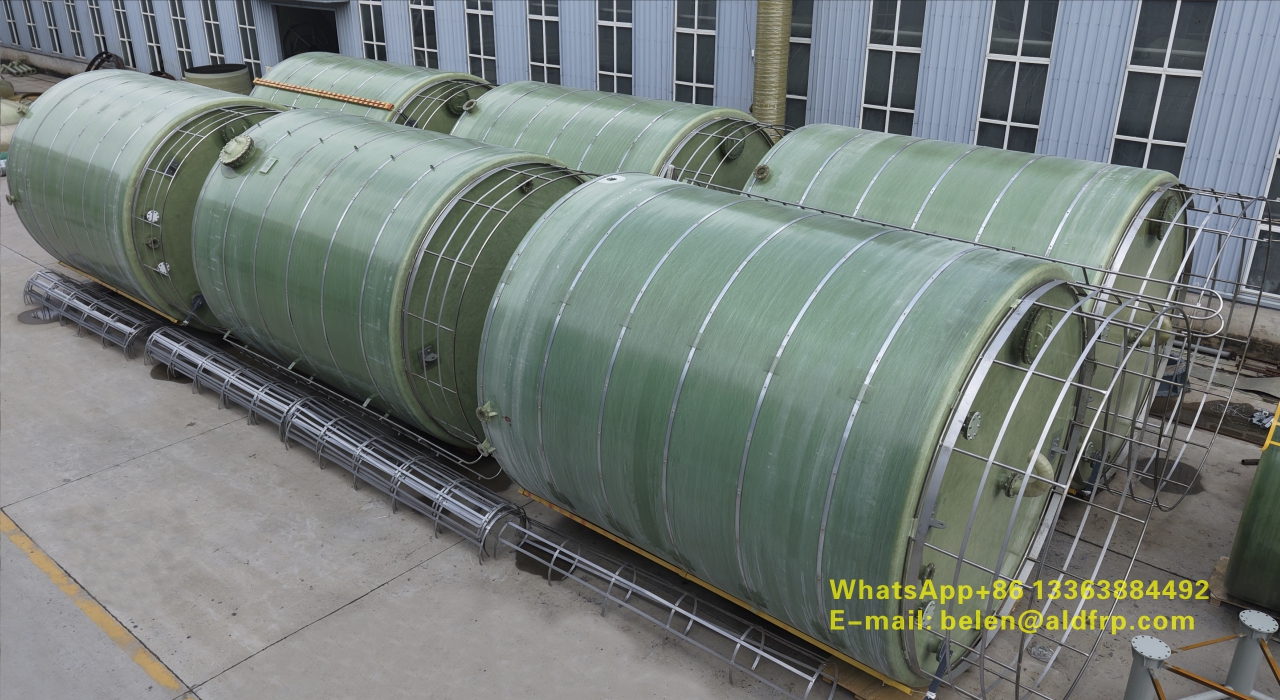
Before selecting an FRP storage tank manufacturer, it’s helpful to understand why FRP tanks are widely used across different industries.
Excellent Corrosion Resistance
One of the most important advantages of FRP tanks is their resistance to corrosion. Unlike steel tanks, which can corrode when exposed to chemicals or moisture, FRP tanks maintain stability in aggressive environments.
This makes them ideal for chemical plants, wastewater treatment facilities, and fertilizer production plants.
Lightweight Structure
FRP tanks are much lighter than traditional metal tanks. This lightweight design makes transportation and installation easier, especially for large tanks used in industrial facilities.
For example, large steel tanks often require heavy lifting equipment during installation, while FRP tanks can be installed with relatively less effort.
Long Service Life
Another reason companies prefer tanks from a reliable FRP storage tank manufacturer is their long service life. FRP tanks can last 20 to 30 years or more with proper maintenance.
Because they resist corrosion and environmental damage, they often require fewer repairs compared with metal tanks.
Low Maintenance Requirements
Maintenance costs are an important factor in industrial operations. FRP tanks typically require minimal maintenance because they do not rust, scale, or degrade easily.
This reduces long-term operational expenses and improves overall system reliability.
How FRP Storage Tanks Are Manufactured
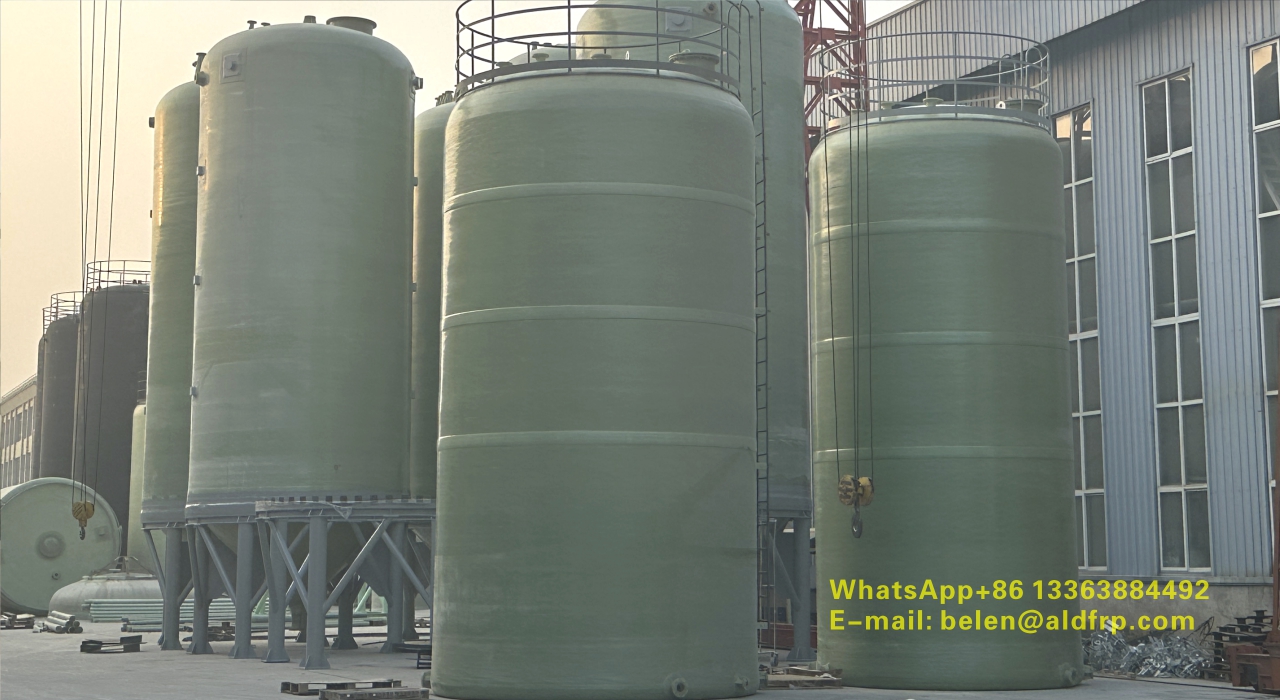
A professional FRP storage tank manufacturer usually produces tanks using one of several manufacturing methods.
Filament Winding Process
The most common method is the filament winding process. During this process, fiberglass fibers coated with resin are wound around a rotating mold. Layer by layer, the tank wall is built until it reaches the required thickness and strength.
This process allows manufacturers to control fiber orientation, which improves structural strength and pressure resistance.
Hand Lay-Up Method
For certain custom tanks or small production runs, manufacturers may use the hand lay-up method. In this process, fiberglass sheets and resin are manually applied to a mold.
Although this method offers flexibility, it is generally slower and less automated than filament winding.
Compression Molding
Some smaller FRP components and tank parts may be produced using compression molding techniques.
However, large industrial tanks are usually manufactured using filament winding because it offers better strength and consistency.
Key Products Offered by FRP Storage Tank Manufacturers
A professional FRP storage tank manufacturer typically produces a variety of tank types for different industrial applications.
Vertical FRP Storage Tanks
Vertical tanks are commonly used for storing chemicals, water, and industrial liquids. They are popular because they occupy less floor space and can store large volumes.
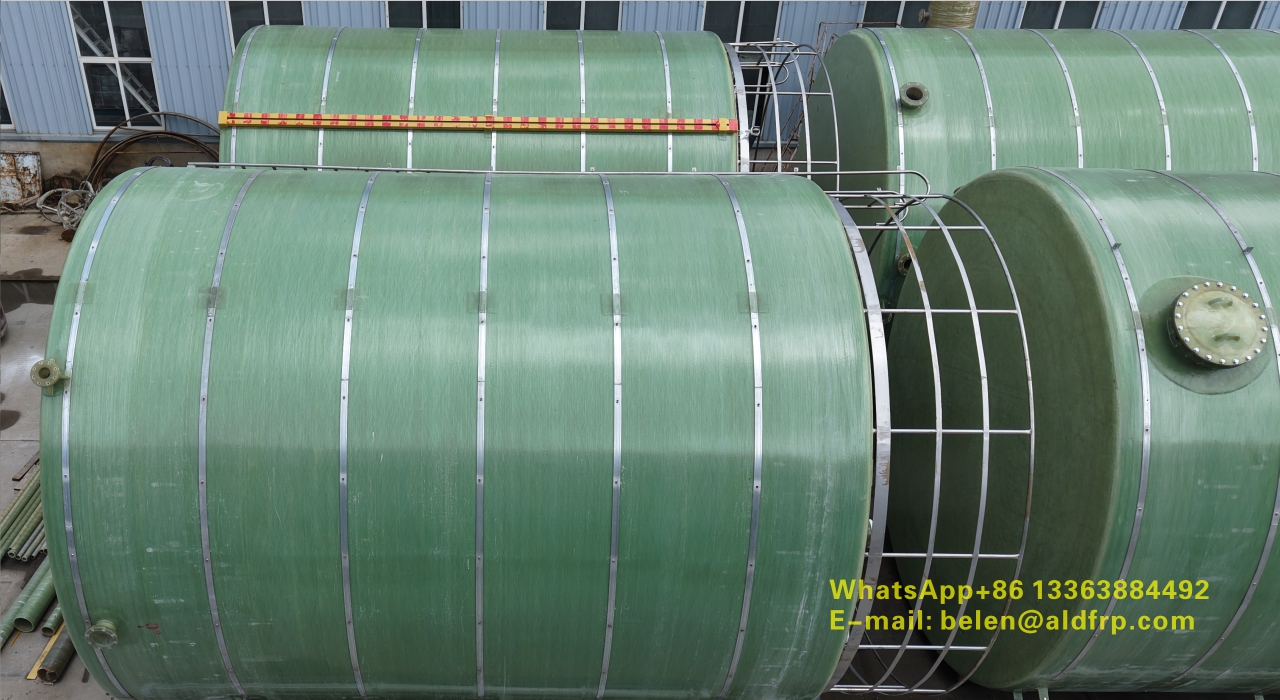
Horizontal FRP Tanks
Horizontal tanks are often used when height restrictions exist or when tanks must be installed on transport vehicles or support frames.
Underground FRP Tanks
Underground FRP tanks are designed for applications where storage tanks must be buried below ground level. These tanks require special structural design to withstand soil pressure.
Custom Chemical Storage Tanks
Many manufacturers also provide customized tank solutions for specific chemicals or industrial processes.
How to Choose the Right FRP Storage Tank Manufacturer
Selecting the right FRP storage tank manufacturer is crucial for ensuring tank safety, durability, and performance.
Here are some important factors to consider.
Manufacturing Experience
A manufacturer with many years of experience is more likely to have advanced production technology and a skilled engineering team.
Experienced manufacturers also understand international standards and project requirements.
Production Equipment
Modern equipment such as automated filament winding machines helps ensure consistent tank quality and precise manufacturing.
Factories with advanced equipment can produce tanks with better structural performance.
Quality Certifications
Reliable manufacturers often hold international certifications such as:
ISO 9001 quality management certification
CE certification for European markets
Product testing reports from third-party laboratories
These certifications demonstrate that the company follows recognized quality standards.
Customization Capability
Different industries require different tank specifications. A professional FRP storage tank manufacturer should be able to customize tank dimensions, wall thickness, and resin systems according to client needs.
Customization may include:
Tank diameter and height
Chemical-resistant resin types
Reinforcement structures
Nozzle and flange configurations
Technical Support and Service
Another important factor is after-sales support. Reliable manufacturers provide installation guidance, technical consultation, and maintenance recommendations.
Good service ensures that tanks operate safely throughout their lifespan.
Applications of FRP Storage Tanks
FRP tanks produced by a trusted FRP storage tank manufacturer are used in many industries worldwide.
Some common applications include:
Chemical Industry
Storing acids, solvents, and other aggressive chemicals.
Water Treatment Plants
Holding clean water, wastewater, and treatment chemicals.
Agriculture and Fertilizer Production
Storing liquid fertilizers and agricultural chemicals.
Oil and Gas Industry
Used in certain processing systems and chemical storage.
Food Processing Industry
Used for storing water and non-corrosive liquids.
Future Trends in the FRP Tank Industry
As industries continue to demand corrosion-resistant and lightweight materials, the market for FRP tanks continues to grow.
Modern FRP storage tank manufacturers are investing in advanced manufacturing technologies such as automated winding systems, digital quality monitoring, and improved resin formulations.
These innovations help produce stronger, more durable tanks while reducing manufacturing costs and environmental impact.
Conclusion
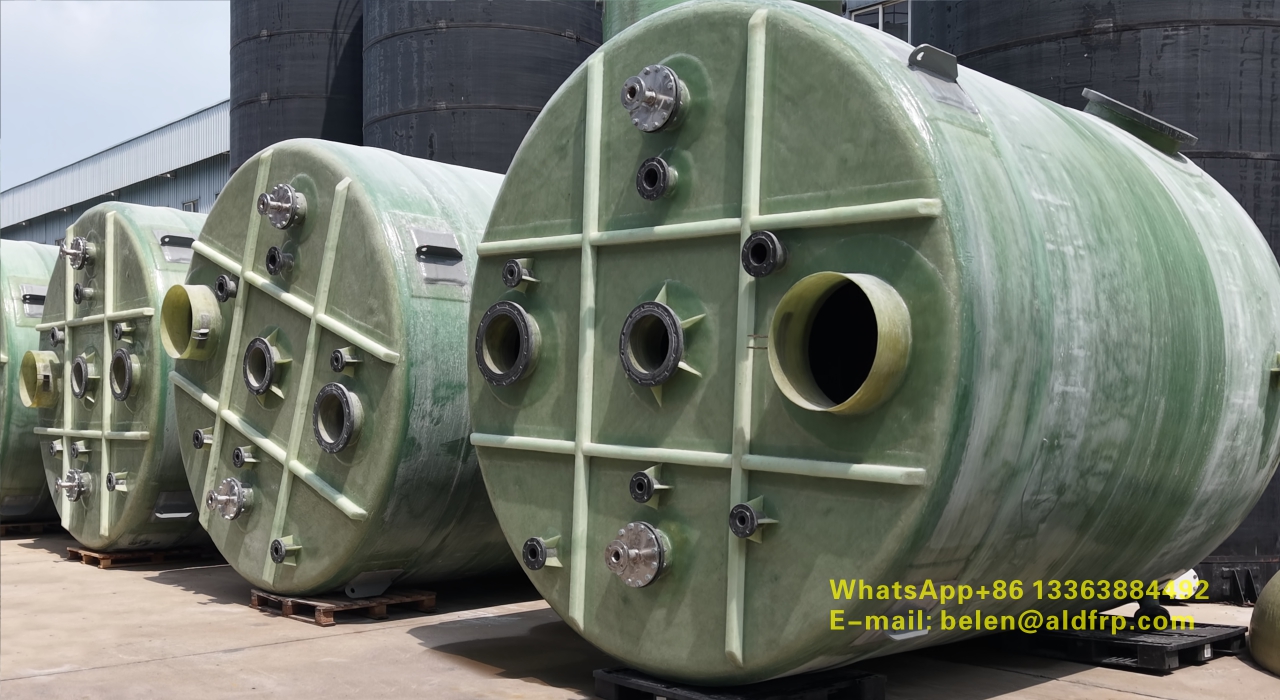
FRP storage tanks have become an essential solution for many industries that require safe, durable, and corrosion-resistant liquid storage. Compared with traditional metal tanks, FRP tanks offer advantages such as lightweight construction, long service life, and minimal maintenance.
However, the performance of these tanks depends heavily on the capabilities of the FRP storage tank manufacturer. Choosing a supplier with strong technical expertise, modern equipment, and reliable quality control is key to ensuring successful project outcomes.
By carefully evaluating manufacturing experience, certifications, customization capabilities, and technical support, companies can select the right partner and benefit from the long-term advantages that FRP storage tanks provide.