
Fiberglass reinforced plastic tanks are widely used in industries such as chemical processing, wastewater treatment, fertilizer production, and water storage. Because these tanks often handle corrosive liquids or operate in demanding environments, proper engineering design is essential. That is why FRP tank design standard guidelines are used worldwide to ensure safety, durability, and reliable performance.
Design standards define how tanks should be engineered, manufactured, and tested. They specify requirements for materials, structural strength, corrosion resistance, and quality control. For manufacturers and buyers alike, understanding these standards helps ensure that FRP tanks meet international safety requirements and perform well over their service life.
In this article, we will explain the most commonly used FRP tank design standards, the key design considerations involved, and why following recognized standards is important when selecting or manufacturing FRP tanks.
When storing liquids such as acids, wastewater, or industrial chemicals, storage tanks must be able to withstand internal pressure, environmental stress, and chemical exposure. Without proper design guidelines, tanks may fail prematurely or pose safety risks.
Using an established FRP tank design standard helps ensure that tanks are engineered correctly and manufactured consistently.
Some key benefits of design standards include:
Ensuring structural safety and reliability
Maintaining consistent product quality
Preventing leakage or structural failure
Meeting regulatory and project requirements
Supporting international trade and certification
Many industrial projects require tanks to comply with recognized standards before they can be approved for installation.
Several international organizations have developed standards that guide the design and manufacturing of fiberglass tanks. These standards are widely used in industrial projects around the world.
ASTM D3299 is one of the most widely recognized FRP tank design standard specifications.
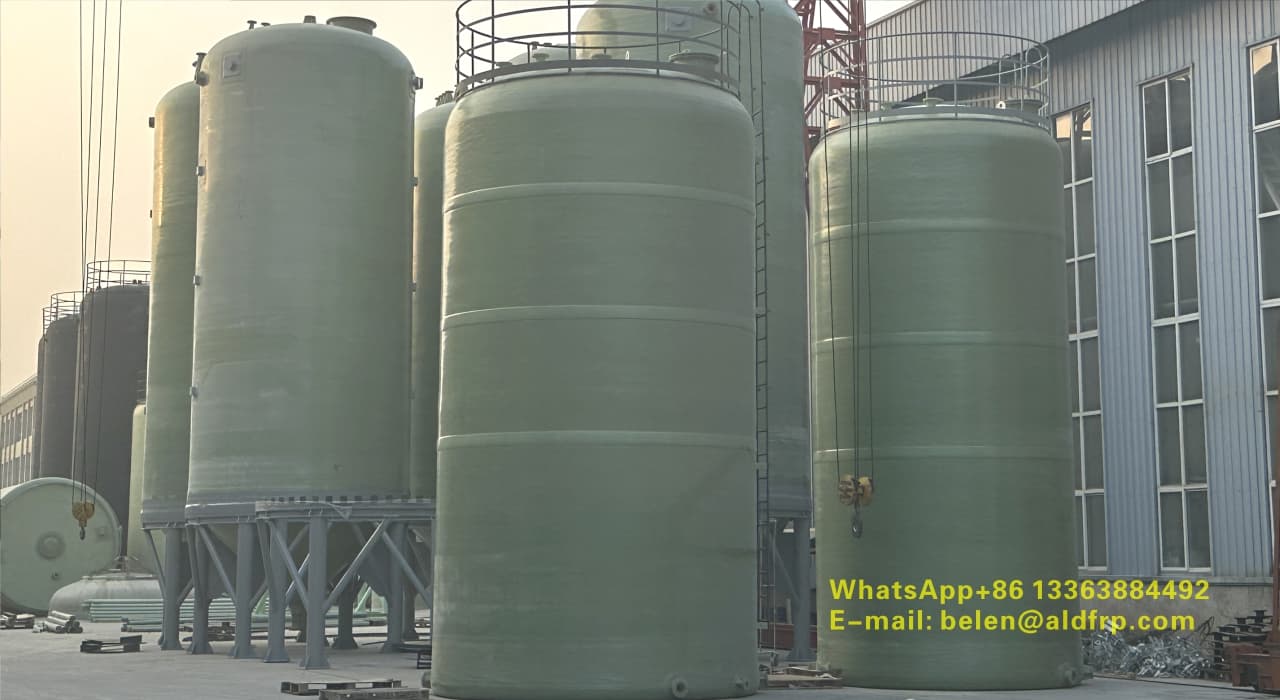
This standard focuses on filament-wound fiberglass tanks used for chemical storage. It provides guidelines for the design, fabrication, and quality control of vertical cylindrical FRP tanks.
ASTM D3299 covers several important aspects, including:
Tank wall construction
Material selection
Structural reinforcement
Manufacturing methods
Inspection procedures
Because filament winding is a common manufacturing method for FRP tanks, ASTM D3299 is frequently used by tank manufacturers.
ASTM D4097 is another important design specification for fiberglass tanks.
This standard applies to contact-molded FRP tanks, which are typically produced using the hand lay-up process rather than filament winding.
It includes guidelines for:
Tank wall structure
Resin selection
Reinforcement layers
Structural strength requirements
ASTM D4097 is often used for smaller or customized tanks.
BS 4994 is a British standard that provides a code of practice for the design and construction of FRP vessels and tanks.
This standard focuses heavily on structural engineering principles. It introduces the concept of design factors and laminate calculations, which help engineers determine the proper wall thickness and reinforcement structure.
BS 4994 is widely respected in the international FRP industry and is commonly used in chemical plant projects.
ASME RTP-1 is a standard developed by the American Society of Mechanical Engineers for reinforced thermoset plastic corrosion-resistant equipment.
It is often used for designing pressure vessels and storage tanks that operate under more demanding conditions.
The standard covers:
Material properties
Structural design calculations
Quality control requirements
Manufacturing procedures
Inspection and testing methods
Many high-specification FRP tanks follow ASME RTP-1 guidelines.
A proper FRP tank design standard considers several engineering factors to ensure safe and reliable performance.
The choice of resin and reinforcement materials plays a critical role in tank performance.
Common resin systems include:
Polyester resin
Vinyl ester resin
Epoxy resin
Vinyl ester resin is often preferred for chemical storage because it provides excellent corrosion resistance.
Fiberglass reinforcement materials typically include chopped strand mat, woven roving, or continuous fiberglass filaments.
Most FRP tanks include an inner corrosion-resistant liner that protects the structural layers from chemical exposure.
This liner typically consists of:
Resin-rich surface layer
Chemical-resistant reinforcement materials
The liner acts as the first barrier against aggressive chemicals.
Outside the liner, multiple layers of fiberglass reinforcement are added to provide structural strength.
These layers are carefully designed according to the selected FRP tank design standard to ensure the tank can withstand internal pressure, liquid weight, and environmental loads.
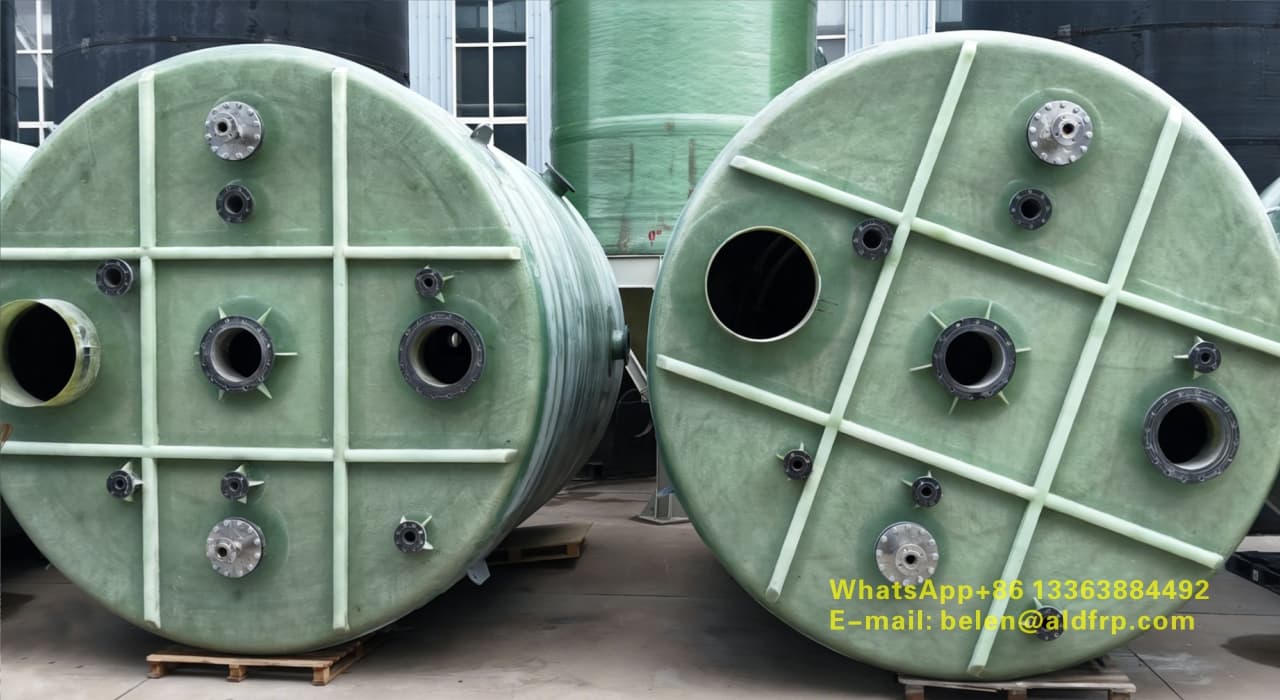
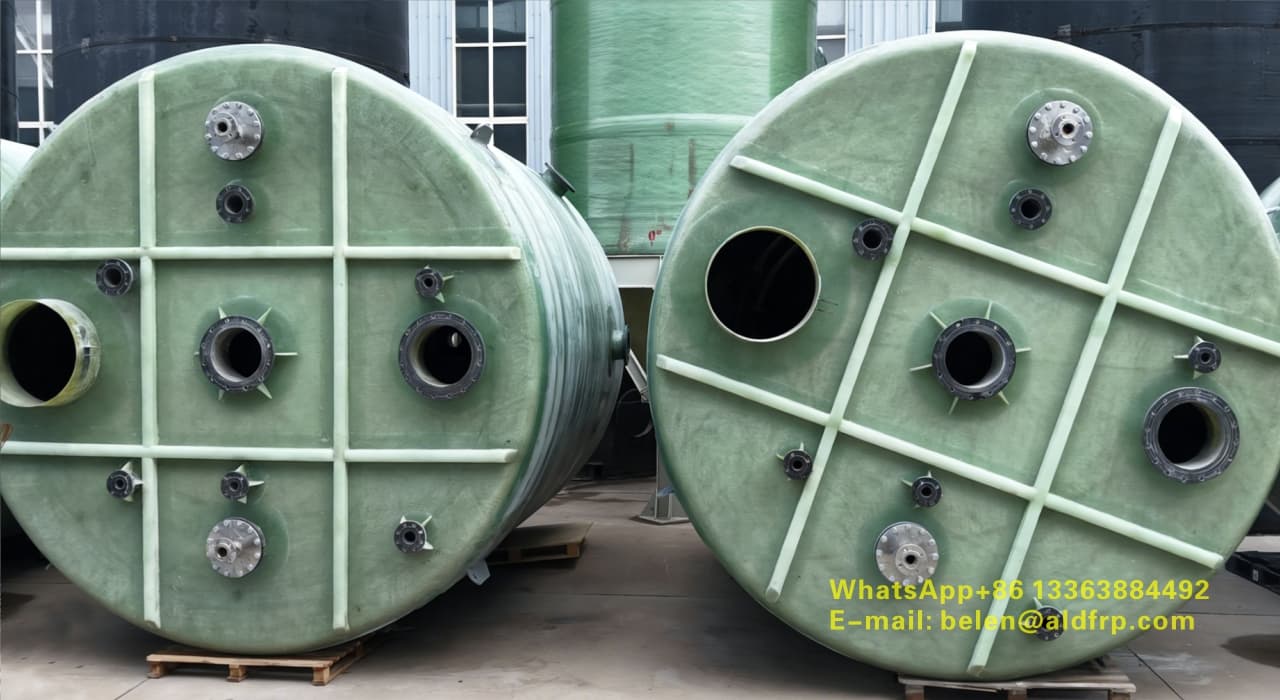
Large FRP tanks may require additional structural elements such as stiffening ribs or external supports.
These reinforcements help the tank maintain shape and resist external forces like wind or seismic loads.
When engineers design tanks according to a FRP tank design standard, they must evaluate several operating conditions.
The chemical properties of the stored liquid determine the required corrosion resistance.
Factors include:
Chemical composition
Temperature
Concentration
Potential chemical reactions
Selecting the correct resin system ensures long-term compatibility.
Tank size directly affects structural design. Larger tanks require thicker walls or additional reinforcement to support the weight of stored liquids.
Outdoor tanks must withstand environmental factors such as:
Wind loads
Temperature changes
UV exposure
Seismic activity
Design standards provide guidelines for calculating these loads.
High temperatures can affect resin performance and mechanical strength. Tank design must consider the expected temperature range during operation.
Following an FRP tank design standard also requires strict quality control during manufacturing.
Typical quality tests include:
Visual inspection of laminate layers
Wall thickness measurement
Hydrostatic leak testing
Structural strength evaluation
Manufacturers may also perform chemical resistance tests to confirm compatibility with stored liquids.
Many industrial projects require certification to verify that tanks comply with recognized FRP tank design standard guidelines.
Common certifications include:
ISO 9001 quality management certification
CE certification for European markets
Third-party inspection reports
Providing proper documentation helps manufacturers demonstrate product reliability and compliance with project requirements.
As composite materials and manufacturing technologies continue to advance, the design of FRP tanks is becoming more sophisticated.
Modern manufacturers are adopting:
Automated filament winding systems
Computer-aided design and simulation tools
Improved resin formulations for higher chemical resistance
These technologies help engineers design tanks that are stronger, more durable, and more efficient.
A reliable FRP tank design standard is essential for ensuring that fiberglass storage tanks are safe, durable, and capable of performing in demanding industrial environments.
Standards such as ASTM D3299, ASTM D4097, BS 4994, and ASME RTP-1 provide detailed guidelines for tank design, manufacturing, and quality control. By following these standards, manufacturers can produce tanks that meet international requirements and provide long-term reliability.
For industries storing corrosive liquids or operating in harsh environments, choosing tanks designed according to recognized FRP standards is the best way to ensure safety, efficiency, and long service life.