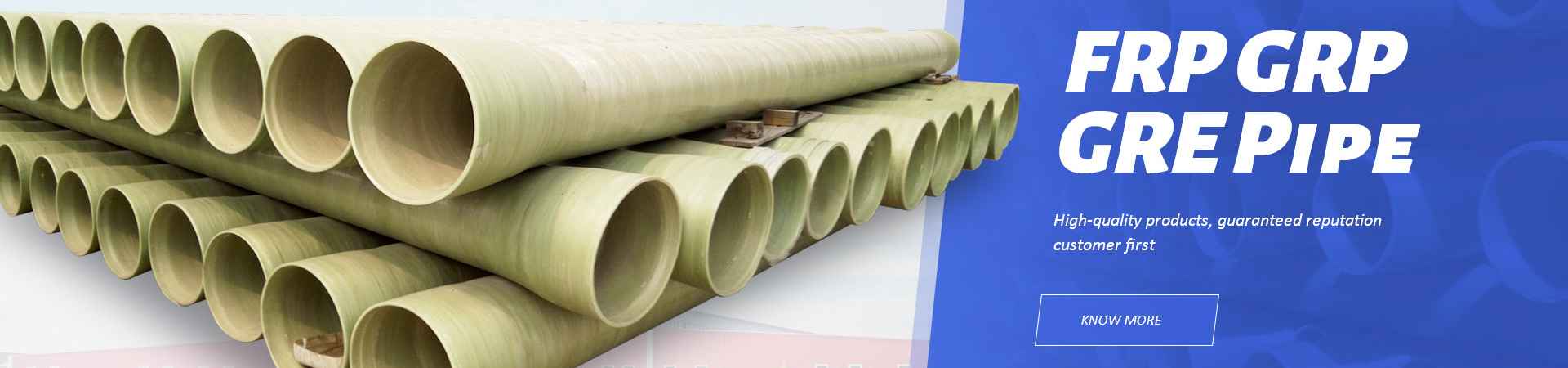

Fiberglass reinforced plastic (FRP) pipes are widely used in industries such as water supply, wastewater treatment, chemical processing, and irrigation systems. Because these pipes often operate in demanding environments, ensuring consistent quality is extremely important. That is why FRP pipe quality standards play a critical role in manufacturing, testing, and application.
Quality standards help manufacturers produce reliable pipes and allow buyers to evaluate whether a product meets international safety and performance requirements. Without these standards, it would be difficult to guarantee the strength, durability, and long-term performance of fiberglass pipelines.
In this article, we’ll explore the most common FRP pipe quality standards, explain why they matter, and discuss the key testing methods used to verify FRP pipe performance.
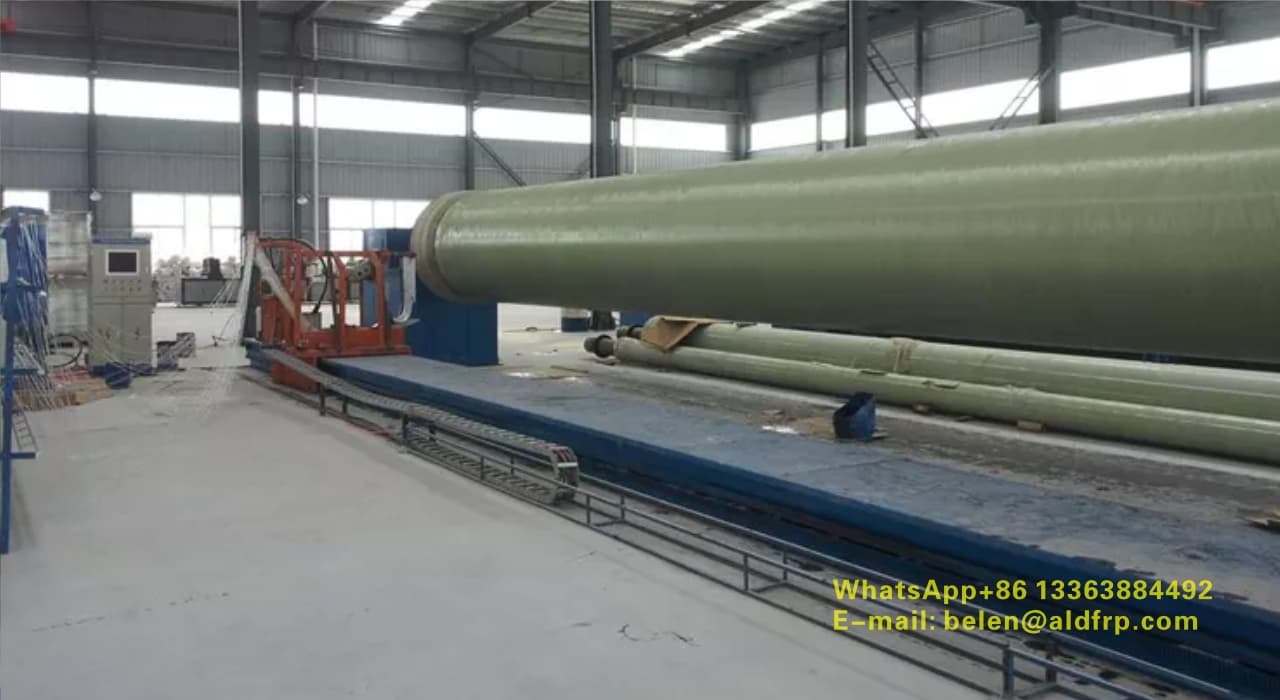
When pipes are installed in infrastructure projects, they are expected to last for decades. Poor-quality pipes can lead to leakage, structural failure, or costly maintenance.
This is where FRP pipe quality standards become essential. These standards define the technical requirements for manufacturing, testing, and performance evaluation.
Some of the main purposes of these standards include:
Ensuring consistent product quality
Verifying mechanical strength and durability
Guaranteeing chemical and corrosion resistance
Establishing safe pressure ratings
Facilitating international trade and project approval
For example, many municipal water projects require pipes to meet specific international standards before they can be installed.
Several international organizations have developed recognized FRP pipe quality standards. These standards cover different aspects of pipe manufacturing, testing, and application.
Below are some of the most widely used standards in the fiberglass pipe industry.
The International Organization for Standardization (ISO) has developed several important standards for fiberglass pipes.
This standard focuses on glass-reinforced plastic piping systems used in the petroleum and natural gas industries. It specifies requirements for design, materials, manufacturing, and testing.
ISO 14692 is widely used in oil and gas projects where pipeline reliability is critical.
This standard applies to GRP piping systems used for water supply and sewerage systems. It outlines specifications for pressure pipes and fittings used in municipal infrastructure.
The American Society for Testing and Materials (ASTM) has established many testing standards used in evaluating fiberglass pipes.
Some important examples include:
This standard describes methods for determining the long-term hydrostatic pressure strength of fiberglass pipes.
This standard focuses on glass fiber reinforced thermosetting resin pressure pipes, including material requirements and testing procedures.
This test evaluates the external loading strength of pipes using a parallel plate loading method.
These ASTM standards are commonly used in North America and many international engineering projects.
The American Water Works Association (AWWA) provides standards specifically for water infrastructure.
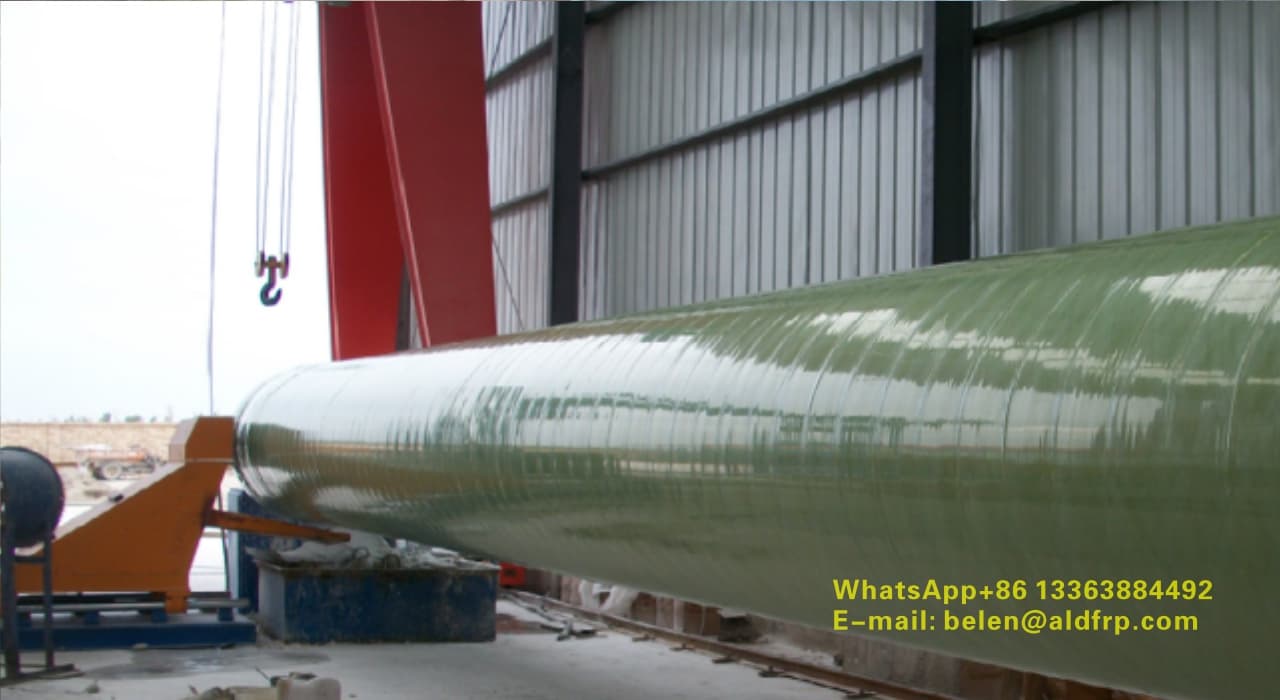
This is one of the most recognized FRP pipe quality standards for large-diameter fiberglass pressure pipes used in water transmission systems.
It defines requirements for:
Pipe materials
Structural performance
Quality control
Pressure ratings
Testing procedures
Many municipal water projects require compliance with AWWA C950.
In Europe, fiberglass pipes are often manufactured according to EN standards.
This standard applies to GRP pipes used in pressure water systems, including irrigation and potable water networks.
This standard covers GRP pipes used in sewer and drainage systems.
European standards focus heavily on structural performance and durability under environmental conditions.
To comply with FRP pipe quality standards, manufacturers must conduct a series of laboratory and production tests.
These tests ensure that the pipes meet required mechanical and structural properties.
The hydrostatic pressure test measures a pipe’s ability to withstand internal pressure.
During this test, the pipe is filled with water and pressurized until it reaches a specified level. The pipe must maintain structural integrity without leakage or deformation.
This test verifies the pipe’s pressure rating and long-term performance.
The stiffness test evaluates a pipe’s resistance to external loads, such as soil pressure when buried underground.
FRP pipes must maintain structural stability without excessive deformation.
Pipe stiffness is usually measured using the parallel plate loading method.
Leakage testing ensures that the pipe and its joints are properly sealed.
In pipeline systems, leakage can lead to environmental damage or water loss. Quality standards therefore require strict sealing performance.
FRP pipes must be able to withstand accidental impacts during transportation, installation, or operation.
Impact tests simulate sudden loads and evaluate whether the pipe material cracks or fractures.
Many FRP pipes are used in chemical plants or wastewater systems where they are exposed to corrosive substances.
Chemical resistance testing ensures that the resin system and fiberglass structure can withstand long-term exposure to aggressive environments.
Meeting FRP pipe quality standards requires strict quality control throughout the manufacturing process.
Key quality control steps include:
Manufacturers must verify the quality of fiberglass rovings, resins, fillers, and additives before production begins.
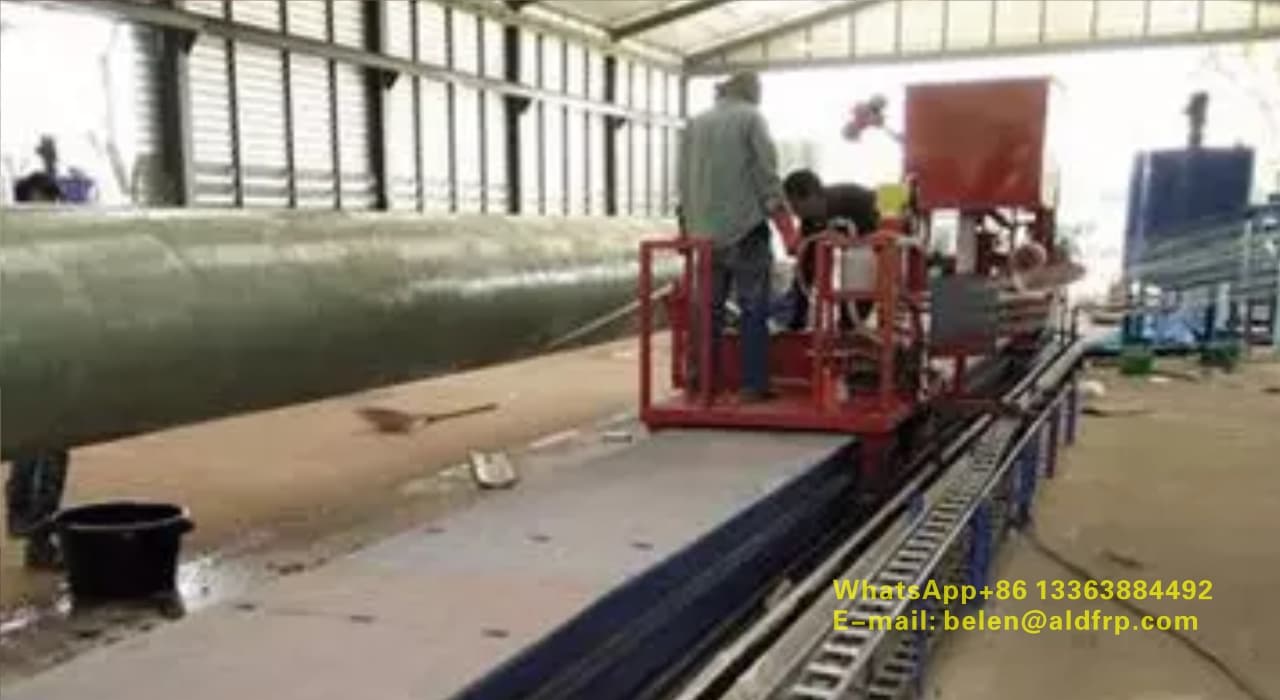
During filament winding production, important parameters must be carefully controlled, including:
Fiber tension
Resin ratio
Winding angle
Pipe wall thickness
Automated control systems help maintain consistent production quality.
After manufacturing, each pipe undergoes dimensional inspection and performance testing before being approved for shipment.
In international projects, certification is often required to prove that products meet recognized FRP pipe quality standards.
Common certifications include:
ISO 9001 quality management certification
CE certification for European markets
Third-party laboratory testing reports
Providing proper certification helps manufacturers build trust with customers and comply with project requirements.
For buyers and project developers, understanding FRP pipe quality standards helps ensure the right product is selected.
When evaluating suppliers, buyers should check:
Compliance with international standards
Availability of testing reports
Manufacturing quality control procedures
Certification documentation
Supplier experience and technical capability
These factors help reduce risks and ensure reliable pipeline performance.
As fiberglass pipes continue to replace traditional materials in many industries, FRP pipe quality standards have become essential for ensuring safety, reliability, and long service life.
International standards such as ISO, ASTM, AWWA, and EN provide clear guidelines for pipe design, manufacturing, and testing. By following these standards, manufacturers can produce high-performance pipes that meet the demanding requirements of modern infrastructure projects.
For both manufacturers and buyers, understanding these standards helps guarantee that FRP pipelines deliver the durability, strength, and corrosion resistance that industries depend on.