


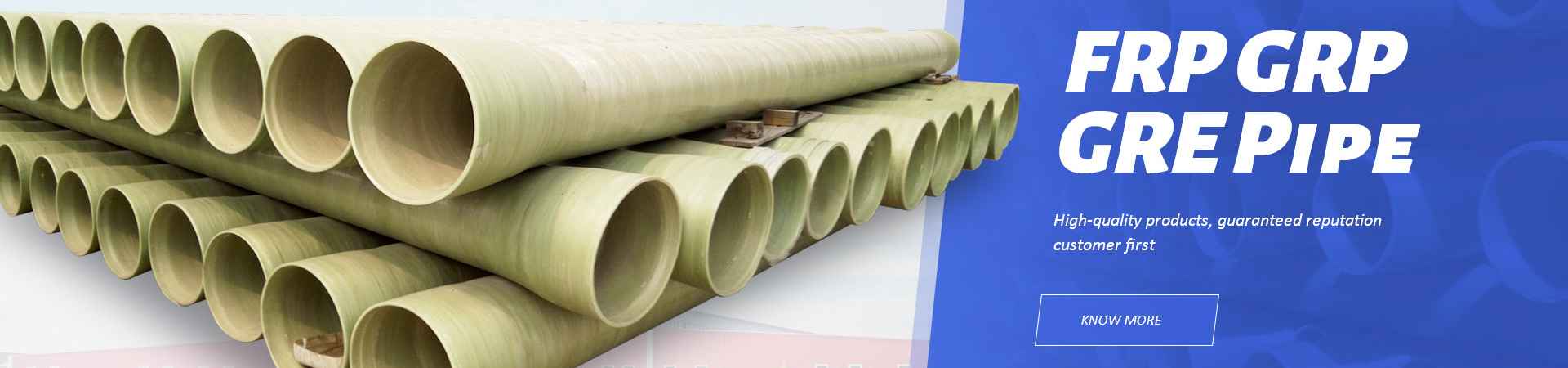
In the pipe manufacturing industry, technology has evolved rapidly over the past few decades. While traditional pipe machines are still used to produce materials like steel, concrete, or PVC pipes, modern composite technology has introduced a new generation of equipment known as the FRP pipe machine. These machines are designed specifically to produce fiberglass reinforced plastic pipes that are lightweight, corrosion-resistant, and highly durable.
For manufacturers, engineers, and project developers, understanding the differences between an FRP pipe machine and a traditional pipe machine is important when choosing the right production technology. Each type of machine has its own advantages, production processes, and suitable applications.
In this article, we will explore the key differences between the two types of equipment, including manufacturing processes, product performance, production efficiency, and long-term economic benefits.
Understanding an FRP Pipe Machine
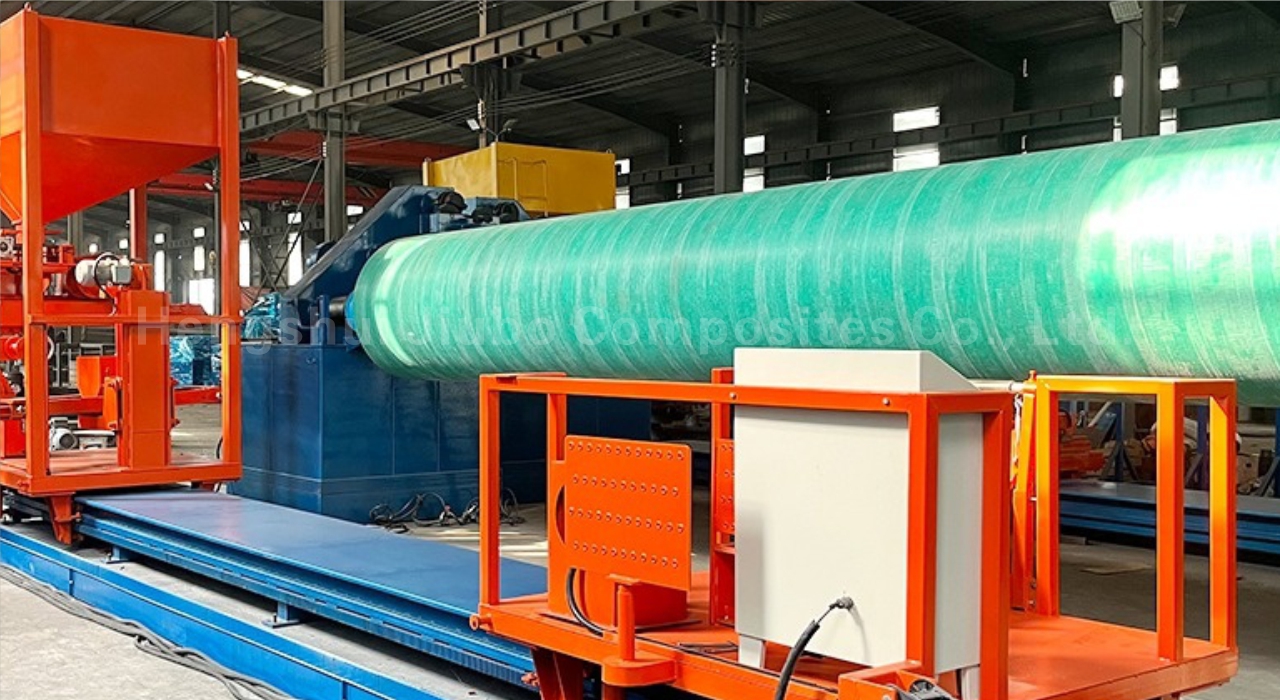
An FRP pipe machine is specialized equipment used to manufacture fiberglass reinforced plastic pipes. These pipes are produced by combining fiberglass strands with resin materials through a process called filament winding.
During the production process, resin-impregnated fiberglass fibers are wound around a rotating mandrel. The machine controls the winding angle, fiber tension, and layer thickness to build the pipe structure. Once the required thickness is achieved, the pipe is cured and removed from the mold.
This automated process allows manufacturers to produce high-strength composite pipes with excellent corrosion resistance and long service life.
What Is a Traditional Pipe Machine?
A traditional pipe machine refers to equipment used to manufacture pipes from conventional materials such as:
Steel
Cast iron
Concrete
PVC or plastic
The production process varies depending on the material. For example:
Steel pipes are typically produced through rolling and welding.
Concrete pipes are formed by centrifugal casting or vibration molding.
Plastic pipes are made using extrusion machines.
These machines have been widely used for many years and remain important in various infrastructure and industrial applications.
Key Differences Between FRP Pipe Machines and Traditional Pipe Machines
Although both types of machines produce pipes, they differ significantly in terms of manufacturing technology, product characteristics, and production efficiency.
Manufacturing Process
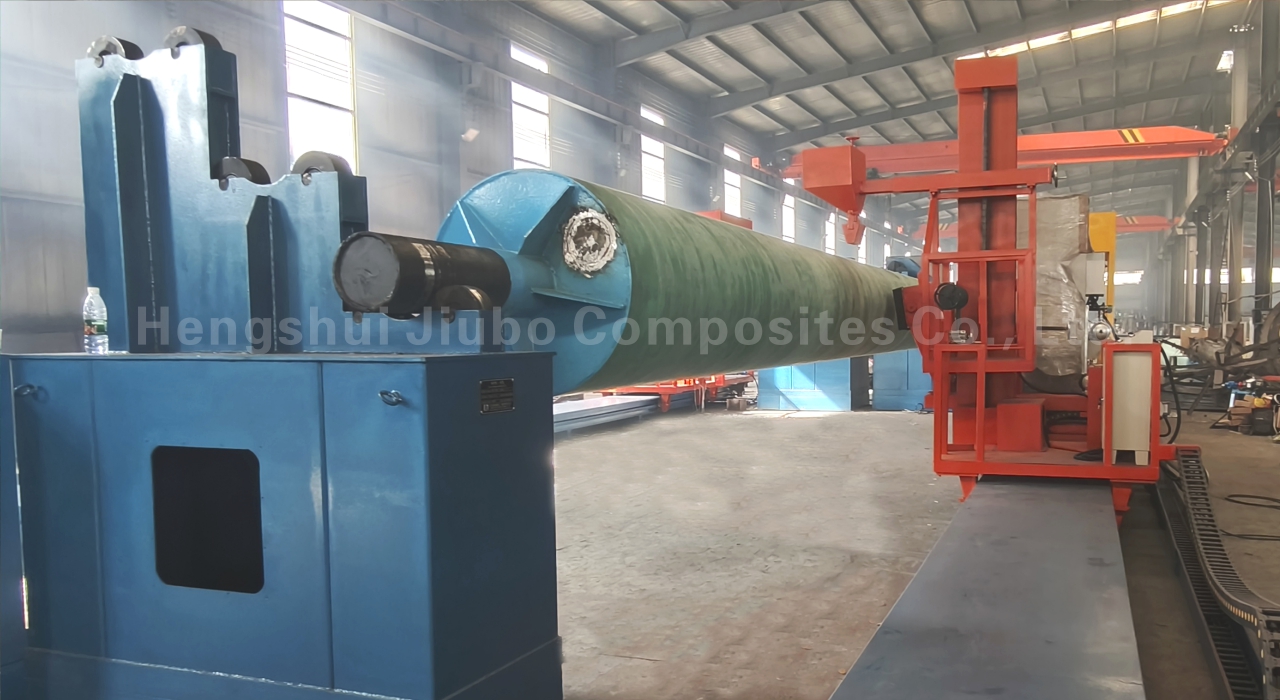
The most obvious difference between an FRP pipe machine and traditional pipe machines lies in the manufacturing process.
An FRP pipe machine uses the filament winding method, which involves winding fiberglass fibers soaked in resin around a rotating mandrel. This method allows precise control over fiber orientation and structural design.
Traditional pipe machines rely on mechanical forming techniques such as rolling, casting, extrusion, or welding. These processes shape raw materials into pipe form through heat, pressure, or molding.
Because of these different production techniques, the final pipe materials have very different properties.
Material Properties
Pipes produced using an FRP pipe machine are made from composite materials, which combine fiberglass reinforcement with resin matrices.
This composite structure provides several advantages:
Excellent corrosion resistance
High strength-to-weight ratio
Long service life
Smooth inner surfaces that reduce friction
Traditional pipe materials, such as steel or concrete, have their own strengths but also certain limitations. For example, steel pipes are strong but susceptible to corrosion, while concrete pipes are durable but heavy and difficult to transport.
Weight and Installation
Another major difference between pipes produced by an FRP pipe machine and those produced by traditional pipe machines is weight.
FRP pipes are significantly lighter than steel or concrete pipes. This makes transportation, handling, and installation much easier.
For example, in large pipeline projects, lighter pipes reduce the need for heavy lifting equipment and lower transportation costs. Workers can also install them more quickly, which shortens construction timelines.
Traditional pipes, especially concrete pipes, can be extremely heavy and require specialized machinery during installation.
Corrosion Resistance
Corrosion is one of the biggest challenges in pipeline systems. Pipes used in wastewater treatment plants, chemical factories, and coastal environments are constantly exposed to corrosive substances.
Pipes manufactured using an FRP pipe machine have excellent resistance to corrosion because fiberglass and resin materials do not rust or degrade easily.
On the other hand, steel pipes produced by traditional pipe machines often require protective coatings, linings, or cathodic protection systems to prevent corrosion. Even with these protections, corrosion can still occur over time.
Production Efficiency
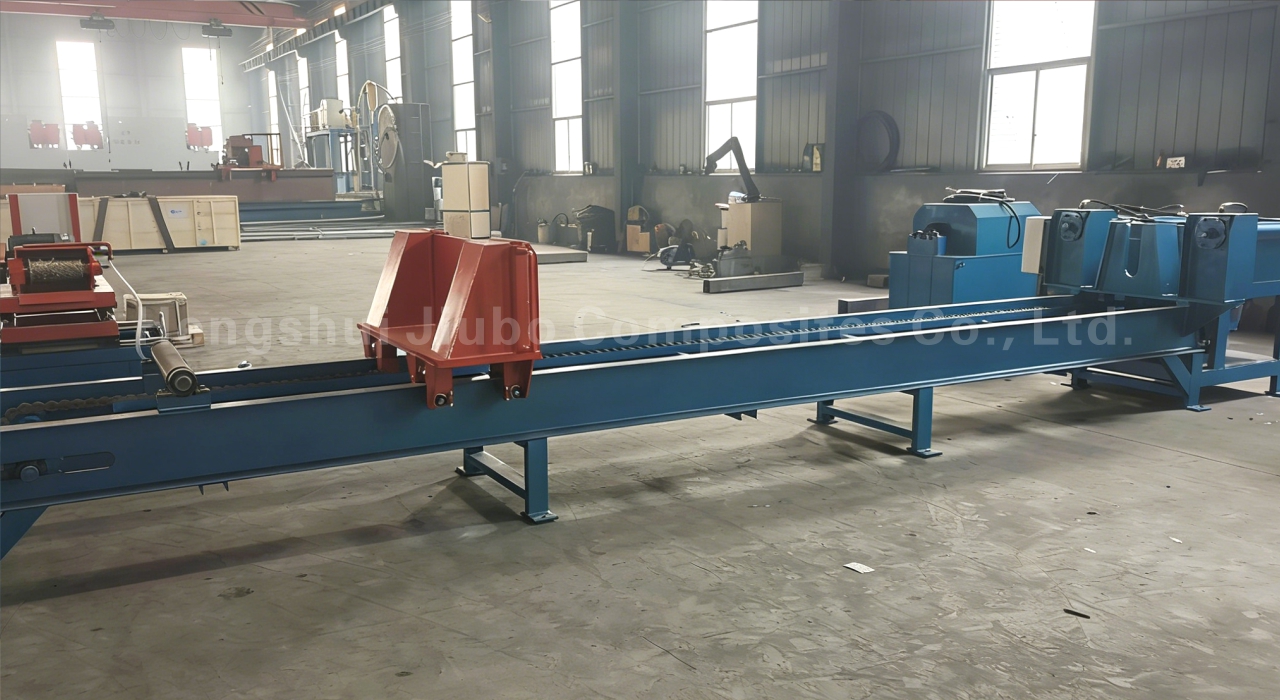
Modern FRP pipe machines are typically equipped with advanced automation systems, including PLC or computer control. These systems allow precise control over production parameters such as winding speed, fiber tension, and wall thickness.
Because of this automation, manufacturers can produce pipes with consistent quality and relatively high efficiency.
Traditional pipe machines can also achieve high production rates, but the level of automation and flexibility may vary depending on the production method and equipment type.
Customization and Design Flexibility
One of the strengths of the FRP pipe machine is the flexibility it provides in pipe design.
Manufacturers can easily adjust the winding parameters to produce pipes with different diameters, pressure ratings, and structural characteristics.
For example, fiber orientation can be changed to enhance pressure resistance or axial strength depending on the application.
Traditional pipe machines typically have more limited design flexibility because the material properties are fixed by the metal or concrete used.
Maintenance and Service Life
Pipes produced by an FRP pipe machine generally have a long service life because they are resistant to corrosion, chemical attack, and environmental degradation.
Many FRP pipelines are designed to operate for 40 to 50 years or longer with minimal maintenance.
Traditional pipes may require regular maintenance, especially if corrosion protection systems degrade over time.
For industries that handle corrosive fluids, FRP pipes can significantly reduce long-term maintenance costs.
Environmental Considerations
Another difference between the two technologies relates to environmental impact.
Because pipes produced using an FRP pipe machine have long lifespans and require less maintenance, they often contribute to lower lifecycle environmental impact.
Additionally, the filament winding process applies materials precisely, which helps minimize production waste.
Traditional pipe manufacturing processes, particularly those involving heavy metals or cement production, may require more energy and generate higher emissions.
Which Machine Is Better?
Choosing between an FRP pipe machine and a traditional pipe machine depends largely on the intended application.
Traditional pipe machines remain suitable for certain uses, such as high-temperature industrial systems or heavy structural pipelines.
However, FRP pipe machines are increasingly preferred in industries where corrosion resistance, lightweight design, and long service life are important.
For example, FRP pipes are widely used in:
Water supply networks
Wastewater treatment systems
Chemical processing plants
Industrial cooling water systems
Agricultural irrigation projects
As infrastructure projects continue to demand durable and cost-effective pipeline solutions, the role of FRP pipe manufacturing technology is expected to grow.
Conclusion
Both FRP pipe machines and traditional pipe machines play important roles in the global pipe manufacturing industry. Traditional machines have been used for decades to produce metal, concrete, and plastic pipes, while FRP pipe machines represent a newer generation of composite manufacturing technology.
The key advantages of FRP pipe machines include lightweight pipe production, corrosion resistance, flexible design capabilities, and long service life. These benefits make FRP pipes an attractive option for many modern industrial and infrastructure applications.
For manufacturers looking to expand into advanced composite pipe production, investing in an FRP pipe machine can open new opportunities and provide a competitive advantage in the growing global pipeline market.