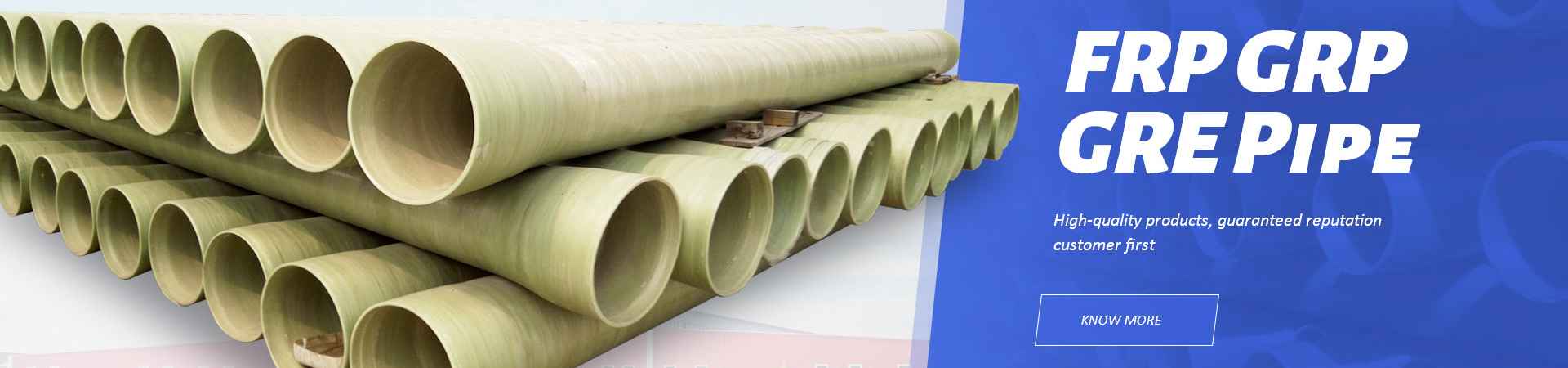

In the modern composite manufacturing industry, the FRP pipe filament winding machine has become one of the most important pieces of equipment for producing high-quality fiberglass reinforced plastic pipes. These machines use automated winding technology to combine fiberglass and resin into strong, corrosion-resistant pipes that are widely used in water supply systems, wastewater treatment plants, chemical industries, and irrigation networks.
Compared with traditional pipe manufacturing methods, a FRP pipe filament winding machine offers significant advantages in efficiency, product quality, flexibility, and cost control. For manufacturers looking to enter or expand in the composite pipe industry, understanding these advantages is essential.
In this article, we will explore the main benefits of using a FRP pipe filament winding machine and why it has become the preferred production technology for fiberglass pipe manufacturing.
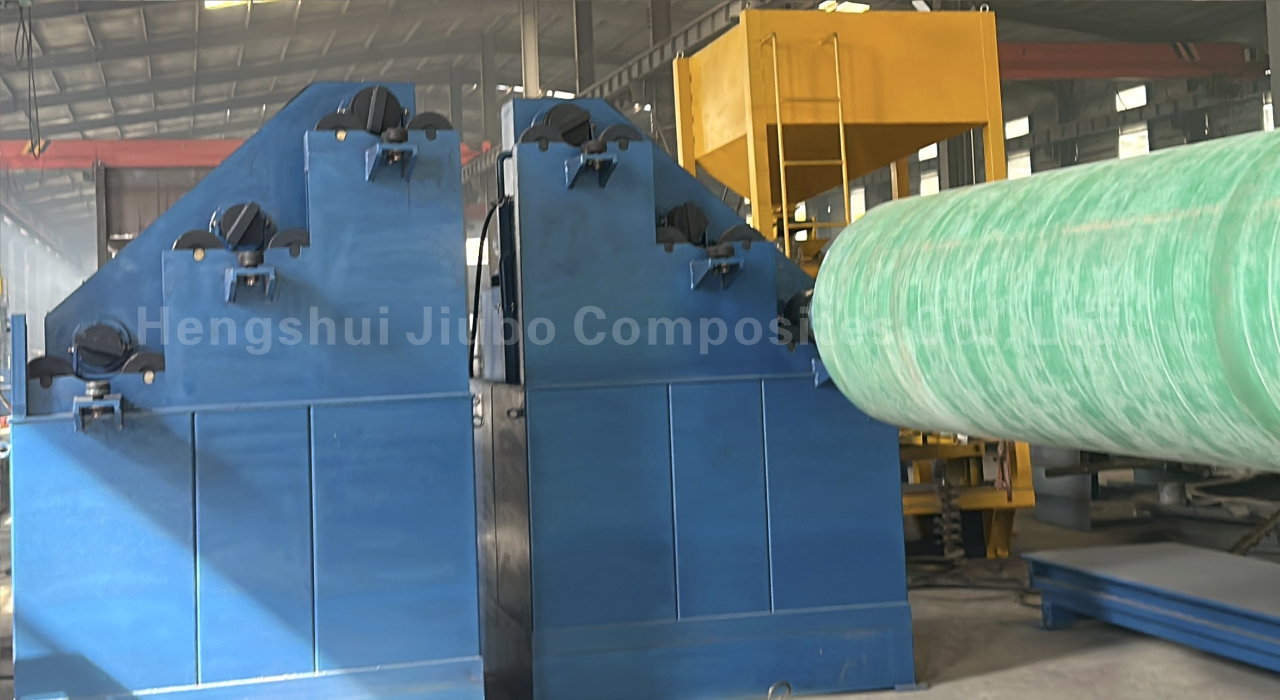
One of the biggest advantages of a FRP pipe filament winding machine is its high production efficiency. Traditional pipe manufacturing processes often involve manual operations or slower forming methods, which limit production capacity.
Filament winding machines automate the process of placing fiberglass fibers around a rotating mandrel. The winding carriage moves precisely along the mandrel while fibers are laid at controlled angles.
Because the process is automated, manufacturers can produce pipes continuously with minimal downtime. This results in:
Faster production speeds
Higher daily output
Reduced labor requirements
For factories producing large quantities of pipes, this improved efficiency can significantly increase overall productivity.
Another key advantage of a FRP pipe filament winding machine is its ability to maintain consistent product quality.
Modern winding machines are equipped with PLC or computer control systems that regulate important production parameters, such as:
Fiber tension
Winding angle
Mandrel rotation speed
Resin distribution
Wall thickness
Because these parameters are precisely controlled, every pipe produced on the machine has uniform thickness and structural performance.
This consistency is especially important for pipelines used in industrial applications, where safety and reliability are critical.
The filament winding process allows engineers to carefully control the orientation of fiberglass fibers within the pipe structure.
Different winding angles provide different types of strength. For example:
Hoop winding improves resistance to internal pressure.
Helical winding enhances axial strength and flexibility.
By combining multiple fiber orientations, the FRP pipe filament winding machine creates pipes with excellent mechanical properties.
These pipes can withstand:
High internal pressure
External soil loads
Mechanical stress during installation
As a result, filament-wound FRP pipes are widely used in demanding infrastructure projects.
A major benefit of using a FRP pipe filament winding machine is the flexibility it provides in pipe design.
Manufacturers can easily adjust machine settings to produce pipes with different specifications, including:
Pipe diameters
Pipe lengths
Wall thickness
Pressure ratings
Reinforcement structures
This flexibility allows factories to meet a wide range of customer requirements without major changes to the production line.
For example, the same machine may produce small pipes for irrigation systems and large-diameter pipes for municipal water infrastructure.
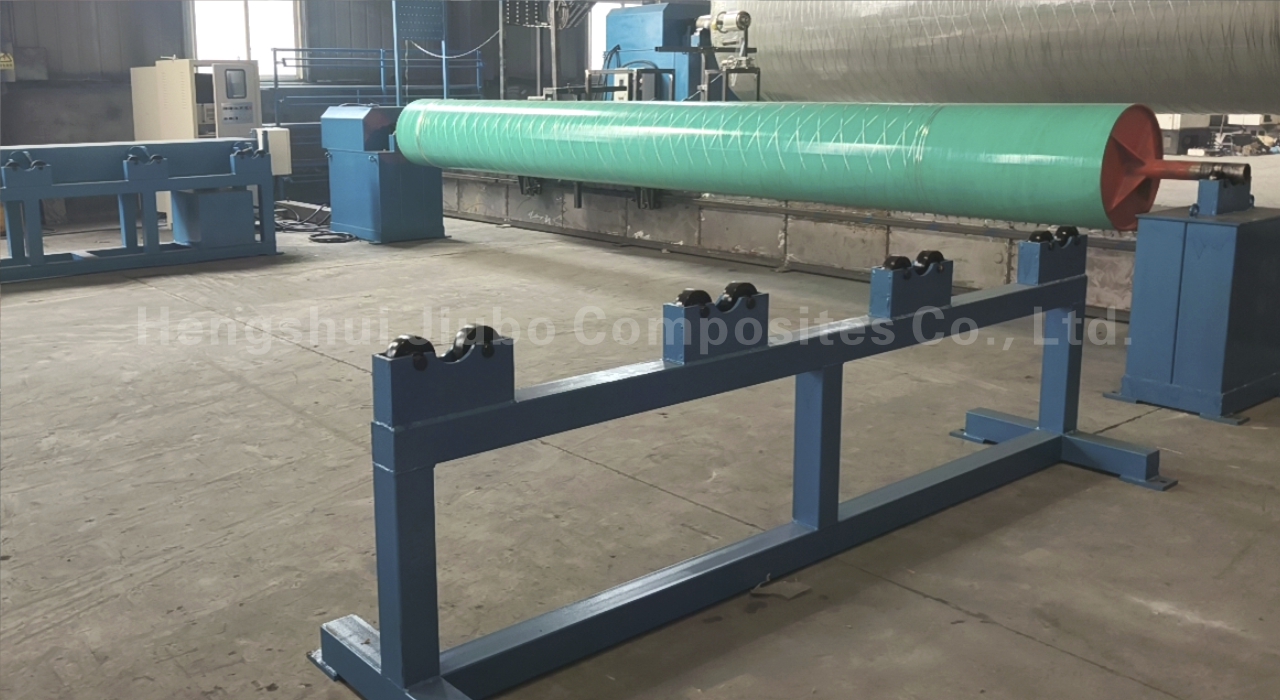
Although the initial investment in a FRP pipe filament winding machine may be significant, it often results in lower production costs over time.
Several factors contribute to cost efficiency:
Reduced labor requirements due to automation
Less material waste during production
Optimized fiber usage through controlled winding patterns
Faster production cycles
Additionally, many filament winding machines allow manufacturers to incorporate sand or mortar layers between fiberglass layers. This reduces the amount of fiberglass needed while maintaining pipe stiffness.
The result is a more economical manufacturing process without sacrificing performance.
One of the main reasons industries choose FRP pipes is their corrosion resistance. The FRP pipe filament winding machine enables the production of pipes that are highly resistant to chemical attack.
Fiberglass pipes produced using filament winding can withstand exposure to:
Acids
Alkalis
Saltwater
Industrial chemicals
Wastewater and sewage
Because of these properties, FRP pipes are widely used in environments where traditional metal pipes would quickly corrode.
Another advantage of pipes produced with a FRP pipe filament winding machine is their excellent strength-to-weight ratio.
FRP pipes are significantly lighter than steel or concrete pipes, yet they still provide strong structural performance.
This lightweight design offers several benefits:
Easier transportation
Lower installation costs
Reduced need for heavy lifting equipment
Faster project completion
For large pipeline installations, these advantages can significantly reduce overall construction costs.
Pipes produced using filament winding technology often have a long service life.
Because fiberglass materials are resistant to corrosion and chemical damage, FRP pipes can operate for many decades with minimal maintenance.
In many infrastructure projects, filament-wound FRP pipes are designed to last 40 to 50 years or more.
For pipeline operators, this long lifespan means lower lifecycle costs and fewer pipe replacements over time.
Modern FRP pipe filament winding machines feature advanced automation systems that improve production reliability.
These systems allow operators to program production parameters through a computer interface. Once the process begins, the machine can run with minimal manual intervention.
Automation provides several advantages:
Reduced operator error
Stable production conditions
Easier monitoring and control
Improved safety during operation
For large-scale manufacturing facilities, automation is essential for maintaining efficiency and quality.
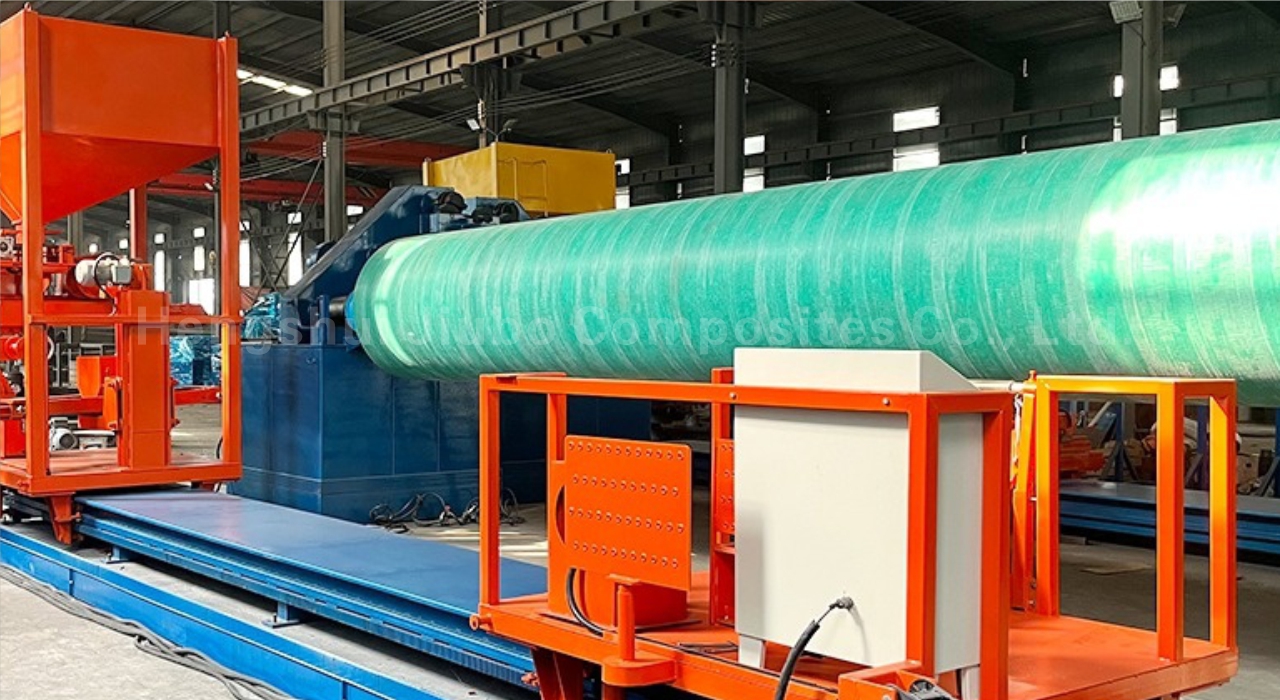
Pipes produced using a FRP pipe filament winding machine are used in many industries around the world.
Common applications include:
Municipal water supply systems
Wastewater treatment plants
Chemical processing facilities
Oil and gas industries
Agricultural irrigation networks
Industrial cooling water systems
The versatility of filament-wound FRP pipes makes them an important solution for modern infrastructure projects.
Compared with some traditional pipe manufacturing processes, the filament winding method can also be more environmentally friendly.
Because materials are applied precisely during winding, there is less waste compared with manual fabrication methods.
Additionally, the long lifespan of FRP pipes reduces the need for frequent replacements, which helps conserve resources over time.
The FRP pipe filament winding machine plays a vital role in the production of high-quality fiberglass pipes. By combining advanced automation with precise fiber placement, these machines allow manufacturers to produce durable, lightweight, and corrosion-resistant pipes efficiently.
Some of the key advantages include:
High production efficiency
Consistent product quality
Excellent mechanical strength
Flexible pipe design options
Reduced manufacturing costs
Long service life of finished pipes
Wide industrial applications
As global demand for corrosion-resistant pipeline systems continues to grow, the importance of filament winding technology will only increase.
For manufacturers looking to expand their production capabilities, investing in a reliable FRP pipe filament winding machine can provide significant long-term benefits in both productivity and product performance.