

The global potassium sulfate (SOP) market is experiencing steady and stable growth, driven by the expansion of high-value agriculture, increasing demand for chloride-free fertilizers, and long-term shifts in global food production systems.
Unlike volatile commodity fertilizers, SOP is positioned as a premium agricultural input, which makes its market both resilient and strategically important.
In this report, you will find a clear breakdown of market size, price trends, demand drivers, regional distribution, and long-term forecasts (2026–2036).
The potassium sulfate market has shown consistent growth over the past decade.
Global market size (2026): ~$5.7 billion
Forecast (2036): ~$9.2 billion
CAGR: ~4%–5%
Alternative estimates suggest:
2024–2025: ~$3.8–3.9 billion
2032: ~$4.7 billion
Key insight:
The SOP market is not explosive, but it is highly stable, driven by structural agricultural demand rather than speculation.
Global agriculture is moving toward crops with higher profit margins such as:
Fruits and vegetables
Nuts
Tobacco
Tea and coffee
Greenhouse crops
These crops require chloride-free fertilizers, making SOP a preferred choice.
SOP is not a bulk fertilizer—it is a premium agricultural input.
Modern farming systems focus on:
Reducing soil salinity
Improving long-term soil structure
Precision nutrient management
SOP supports these goals because it:
Contains no chloride
Improves crop quality
Reduces soil stress
Fastest-growing regions:
Asia-Pacific (China, India, Southeast Asia)
Middle East
Latin America
Drivers include:
Population growth
Export-oriented agriculture
Limited arable land
Global SOP production is evolving toward:
Mannheim process optimization
Energy-efficient furnace systems
Improved gas recovery systems
Environmental compliance upgrades
Production efficiency is becoming a key competitive factor.
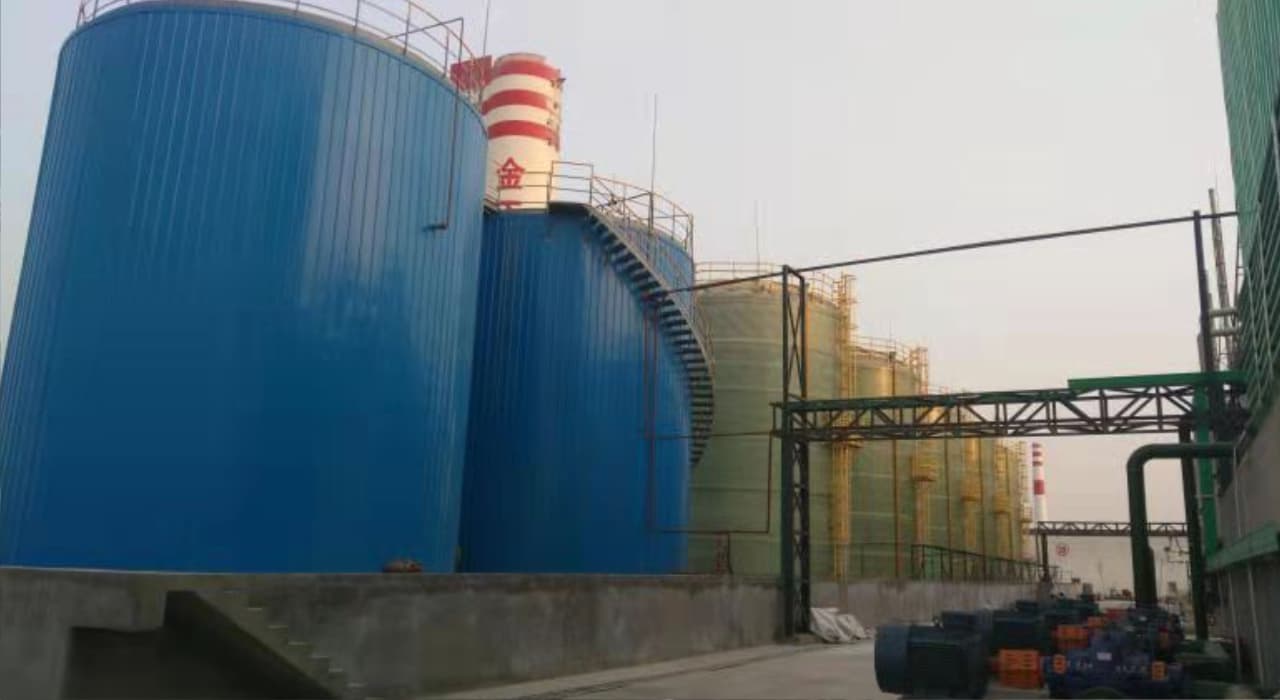
North America: $0.79–0.82/kg
Europe: $0.64–0.66/kg
Asia: $0.55–0.57/kg
Africa: $0.66–0.69/kg
Bulk market range:
$600–$900 per ton
2022–2023
Sharp increase (+77%)
Driven by energy crisis + geopolitical instability
2023 correction
Prices dropped ~47%
2024–2025
Stabilization phase
Gradual recovery trend
2026
Stable but slightly upward
Driven by energy + logistics + raw material cost
Supply-side:
Sulfur and KCl cost
Energy consumption (Mannheim process)
Production capacity limits
Demand-side:
Agricultural season cycles
Crop price performance
Export demand
External factors:
Freight cost
Trade policies
Geopolitical risks
Over 90% of SOP consumption comes from agriculture.
Main applications:
Fruits and vegetables
Tobacco
Tea & coffee
Greenhouse farming
Demand is directly linked to global food consumption and crop quality requirements.
Smaller but stable segments:
Glass manufacturing
Food additives
Pharmaceutical applications
Demand continues to rise due to:
Global population growth
Higher food quality standards
Expansion of controlled-environment agriculture
Major producers:
China
Europe
Middle East (Jordan, Saudi Arabia)
North America
Key characteristics:
Regionalized production
High logistics sensitivity
Import dependence in many regions
Supply structure directly influences regional pricing differences.
Steady CAGR: ~4%–5%
Strongest growth regions:
Asia-Pacific
Latin America
Middle East
Short-term: stable with slight upward pressure
Mid-term: gradual increase due to:
Energy costs
Environmental regulations
Limited new capacity
New capacity expansion is slow
High CAPEX limits rapid growth
Environmental regulations increasing
Result: Supply remains tight → price stability supported
The potassium sulfate market directly influences industrial investment decisions.
Rising demand → more SOP production plant construction
Energy price fluctuations → impacts Mannheim process cost
Supply constraints → drives EPC turnkey projects
Price stability → supports long-term ROI planning
Related technologies:
Potassium Sulfate Production Plant
Mannheim Process for Potassium Sulfate Production
Potassium Sulfate Production Line Cost Analysis and Investment ROI Guide
Strong demand from premium agriculture
Higher value compared to MOP fertilizers
By-product HCl revenue potential
Raw material volatility (KCl, sulfur)
High energy consumption
Environmental compliance costs
SOP market is stable and steadily growing
Demand is driven by high-value agriculture
Prices are regionally different but structurally stable
Supply expansion is limited
Long-term outlook remains positive
The global SOP market is valued at around $5.7 billion in 2026 and is expected to reach $9+ billion by 2036.
Because it is a premium chloride-free fertilizer used for high-value crops and requires more complex production processes.
Main drivers include high-value agriculture, soil health management, and global food consumption growth.
Asia-Pacific currently shows the fastest growth, especially China and India.
The global potassium sulfate market is a stable, high-value agricultural segment with predictable long-term growth.
Its future is shaped by:
Premium crop demand
Environmental farming practices
Controlled production capacity
This makes SOP not just a fertilizer market, but a strategic agricultural supply chain industry with strong long-term investment value.